

Deprecated: mb_convert_encoding(): Handling HTML entities via mbstring is deprecated; use htmlspecialchars, htmlentities, or mb_encode_numericentity/mb_decode_numericentity instead in /var/www/html/wp-content/plugins/super-cool-ad-inserter/inc/scaip-shortcode-inserter.php on line 37
In 2004, Preslav Lefterov and Joe Bartolotta founded Machine Age Studios, a recording studio perched on the edge of Polish Hill, overlooking Bloomfield. Since then, the core group operating out of the studio has grown, and so has the studio’s collection of equipment — mostly vintage, and much of it unique in Pittsburgh.
What makes the studio go is its combination of unique equipment and skilled technicians and musicians. Phil Boyd and Jason Kirker of Modey Lemon are among the partners, as is the electronics-obsessed Shawn Rudiman.
While the studio has recorded plenty of well-known local bands in recent years — Gangwish, Centipede Eest, Man in the Street — it’s also a well-advised stop for bands that are recording elsewhere but want to work on elements that Machine Age is better suited to handle. Zombi’s A.E. Paterra has recorded drums there; Mariage Blanc used the studio’s Hammond B-3 organ and analog reverb for the band’s self-recorded release last year.
We took a tour of the studio in order to find out why you need, say, three analog tape echo machines stacked atop one another. (“Each unit has its own personality,” explains Adam Ratana.) And because, face it: This stuff just looks cool.
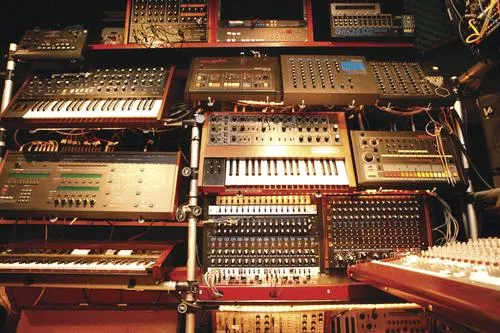
“The Synthdrome”: Shawn Rudiman has dozens of synthesizers and sequencers lining the walls of his room in the studio, which could play host to an episode of Audiophile Hoarders. Many are vintage and rare; some are homemade. Nearly all are connected to a master keyboard control, so that he doesn’t have to play keys that are hanging 6 feet high on the wall.
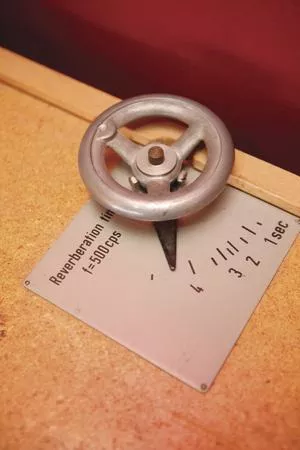
EMT 140 analog plate reverb: At most studios today, adding reverb is a matter of clicking a Pro Tools plug-in. Here, you can use this 4-by-8-foot piece of 1960s German technology. Channel sound in through a speaker; it reverberates through the metal plate suspended on springs and is captured on the other end. This dial determines the length of the reverb signal.
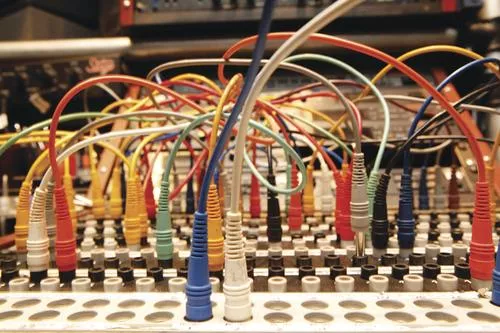
Connectivity matrix: This bank of cables and jacks connects Rudiman’s synths to the mixing console and effects units. It looks pretty to the untrained eye, but the mess of wire isn’t so easy to work with. “I hate it,” Rudiman says, with conviction.
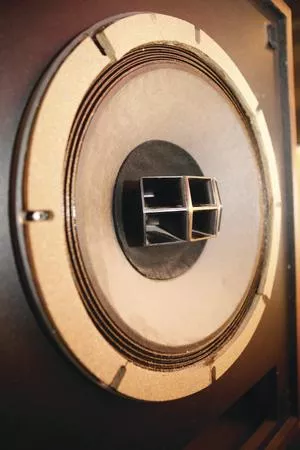
Altec 604 speakers: Nicknamed “Big Reds,” these were originally built in the ’40s for theater use. The tweeters — from which the higher frequencies are emitted — are in the center of the woofer. The design allows sound to travel farther with less distortion.
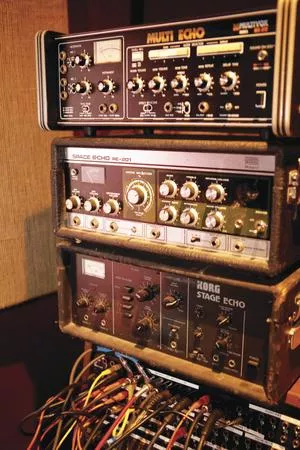
Tape echo: These three units are all different models of the same device, a tape echo machine. Tape echo is an analog device that uses magnetic tape to manipulate sound, creating a delay or echo effect.
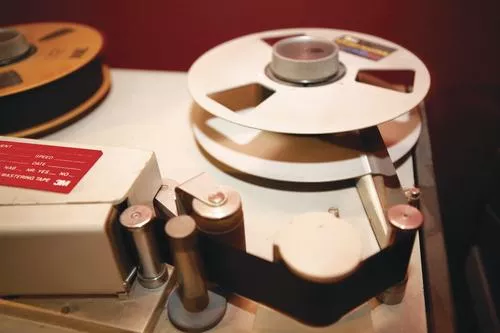
Ampex MM 1200 tape machine: An analog tape machine used for recording tracks. According to Preslav Lefterov, this unit once belonged to Sunset Sound Studios in Los Angeles and “has been used as a medium for the sound recordings of acts such as Prince, Van Halen and Modey Lemon.”
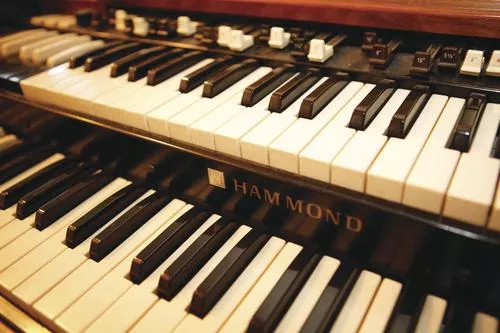
Hammond B-3 organ: An organ with a classic sound (and a huge amplifier), this particular B-3 dates to about 1967, estimates Joe Bartolotta. It belonged to his mother before finding its way to Machine Age.
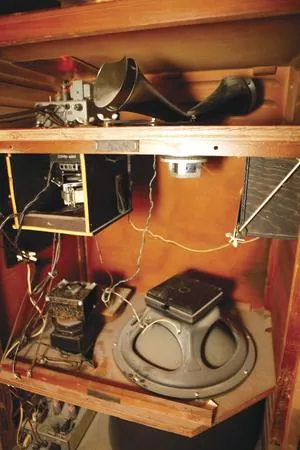
Leslie speaker: The amplification unit of the B-3 is a buzzing, whirring beast. It takes a minute to warm up, then the fan starts to spin and the music comes to life. This type of amplifier is practically synonymous with the B-3 and was invented in the 1940s by David Leslie.
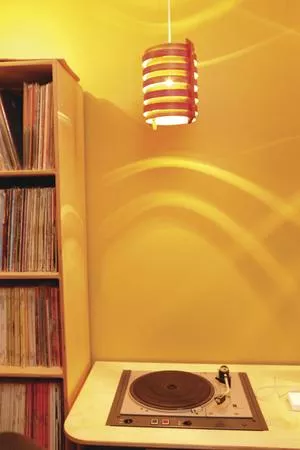
EMT 938 turntable: Not a piece of recording equipment, this turntable is another German import, shipped overseas specifically to take a place of prominence at Machine Age. Jason Kirker built the furniture in this room of the studio to fit the turntable.
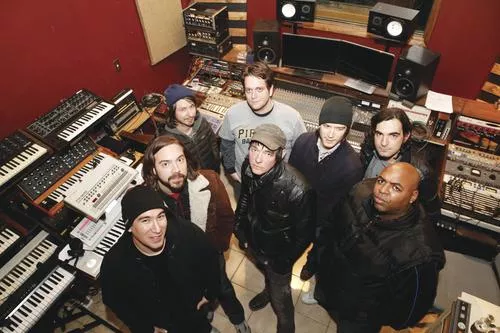
The people: The main stakeholders at Machine Age, in the studio’s main control room. From left to right: Adam Ratana, Joe Bartolotta, Jason Kirker, Thomas Cox, Shawn Rudiman (front), Phil Boyd, Preslav Lefterov and Don Harris.
This article appears in Apr 14-20, 2011.




well, this is super cool. It’s like a playland for electro sound geeks…or sonic archaeologists. Either or, very cool.
wake me up when someone makes something new and interesting.
also, the smugness in that group picture is beyond calculation.
i don’t think anyone in that picture looks smug. the one guy that’s mean mugging on the right looks like someone shit in his wheaties maybe, but i don’t see smug. I do see jealousy in your words though. I bet these people are doing more new and interesting things next week than you have ever done. it’s funny how whenever someone does something interesting in pittsburgh a few people have to come out of the wood work to talk shit. I say congratulations to these guys for existing for so long in such a hard time for music studios in a scene like pittsburgh’s which is so small yet still full of internet trash talking by lazy uninteresting people like you.
“smug”? pffft. yeah, right…
i know most of these d00ds and they’re pretty freakin legit. they know what it means to “build it from the ground up” as they literally did just that! when they got into the place, they gutted it, remodeled and tech’d the bejebus outta it! all the while- recording great local bands (Shade/Great Ants/Black Tie Revue/etc), and being pretty nice all @ the same time. so, until you’ve done yr research or maybe even talked to any of those d00ds, you might wanna redefine yr definition of “smug”.
Machine Age is SWAG in all caps! These guys have done gone broke over and over again to make this thing happen. While the pictures CP published are beautiful, it doesn’t even do justice to the interior of MA. You basically leave what Pittsburgh was and walk into what Pittsburgh could be if the talent there stays and works as hard as these guys do.
Smug is definitely the wrong word…I am obsessed with making techno music and have been for the last 14 years. But I have ADD and a learning disability, depression, and other issues that make it so hard for me to advance my craft. Well Iam a fan of one of these guys music and found him on facebook and he has actually responded to some of my comments and actually gave some advice. And when I complemented his music and what he is doing he said that there were better people out there. Smug people don’t do or say that kind of stuff to complete strangers (especially when they have 1000’s of facebook friends and lead very busy lives)….Anyway this studio looks amazing! there are so many awesome vintage machines here its an audiophile’s paradise! plus having made some of their own synths and gear gives them a unique edge over other producers/studios. I hope to have an album done within the next year or 2 and would love to have it recorded here! I definitely can appreciate what you guys are doing and you are doing it oh so well!-Dave