

Deprecated: mb_convert_encoding(): Handling HTML entities via mbstring is deprecated; use htmlspecialchars, htmlentities, or mb_encode_numericentity/mb_decode_numericentity instead in /var/www/html/wp-content/plugins/super-cool-ad-inserter/inc/scaip-shortcode-inserter.php on line 37
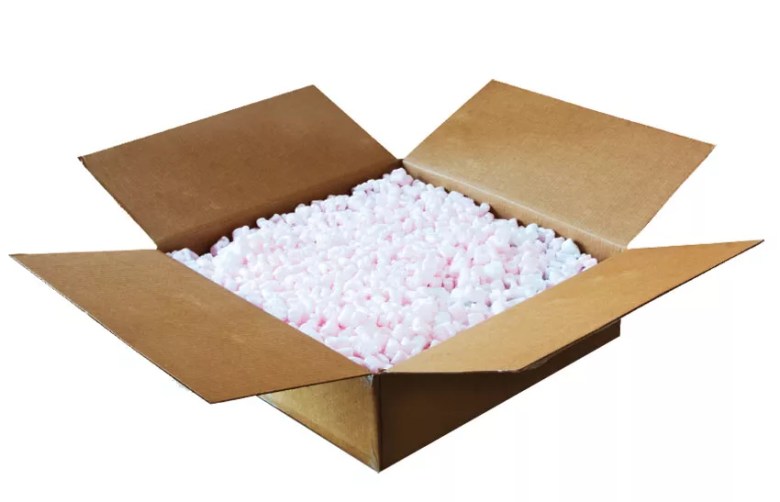
Recently, a City Paper reader called to complain about trash. Not the effluvia spilling from staffers’ desks — which barely breaches our cubicle walls anymore. Rather, he had discovered that it is not possible to recycle the foam peanuts a recent purchase of his came swaddled in.
That’s a serious problem. Polystyrene (plastic No. 6 on your recycling chart) is not among the materials Pittsburgh recycles curbside. No one else seems to want it either: More than 2 million tons of polystyrene are chucked annually, according to EPA figures, and its 1 percent recycling rate is even lower than that of other plastics. If you’re concerned about the environment at all, you’ve probably bemoaned excess packaging at one time or another — when you’ve cut yourself opening a plastic hard-shell, or when a box contains more filler than merchandise. Maybe you envision the blobs of plastic bobbing in the ocean, or the health risks faced by workers who make polystyrene, a possible carcinogen.
But maybe the hardest, and most important, thing to think about is this: As great as it would be to reduce excess packaging, focusing on what the recycling trucks take away masks bigger environmental problems … and bigger problems with how we think about the environment.
Polystyrene isn’t recycled because it’s so light as to be worthless. And because most of it is used for disposable plates, cups, utensils and other food-service items, cleaning it before processing would be cost-prohibitive.
What about substitutes for polystyrene? Renewable, biodegradable materials like popcorn have been tried; vegetable-based plastics are another option. But if the popcorn were simply trucked to a landfill (as it likely would be), it wouldn’t actually degrade much, because there’s no light or air down there. And imagine the cropland that would have to be rededicated to supply our polystyrene-substitute needs.
Foam peanuts do symbolize our wasteful ways. But as with so many environmental problems, it’s important to think holistically. We seldom extend our concerns to the consumer products that the polystyrene contains — the electronics or takeout or sporting goods. We focus on packaging rather than what’s packaged, and so miss the bigger waste.
Remember the 1980s outcry over the polystyrene (again!) clamshells Big Macs came in? The clamshells were wasteful, sure — but they didn’t represent nearly the environmental disaster of the beef patties inside. Raising beef consumes more resources per pound than any food on earth. Factor in the feed grain and water that it takes to raise cattle — not to mention the Amazonian rainforests getting hacked down so Americans can afford hamburgers — and you’ll soon forget about that half-ounce of polystyrene rubbish, and even the petroleum it took to make it. In 2008, two Carnegie Mellon University researchers estimated that by eliminating meat from your diet just one day a week, you’d prevent the same amount of greenhouse-gas emissions as driving 1,000 fewer miles per year.
The same is true of the laptop that comes packed in a polystyrene armature. Fabricating electronics is among the dirtier businesses around: The circuits incorporate silicon and rare-earth metals, all of which are mined at great cost to the environment. The factories that make circuit boards consume enormous amounts of water. And then there’s the electricity that keeps our gadgets humming: Some 40 percent of it, at last count, is generated at coal-fired power plants, the earth’s biggest producers of greenhouse-gas carbon dioxide, and of airborne toxins like soot and mercury.
And, of course, many computer housings are made of … polystyrene.
When we decry waste, we never mention the hamburger or the laptop. That’s the stuff we want, after all. Instead we focus on what we throw away, which — extravagant as it might seem — almost invariably causes less environmental damage than whatever is inside.
Less packaging? Sure, that’d be great. But why not less stuff in general?
This article appears in Apr 18-24, 2012.





I’ve heard so far from a couple readers about this column, both suggesting that while polystyrene packing materials are not widely recyclable, various shipping establishments will accept them for reuse. (And as you recall, in the reduce-reuse-recycle hierarchy, reuse is preferable to recycling.)
Well, one of the suggestions checks out and the other doesn’t. One reader says he saves up his foam peanuts and takes them to “Kinko’s or some other … shipper.” But I called Fedex Kinko’s office and the guy there said that the company no longer use polystyrene peanuts. He added that used polystyrene peanuts are “not considered an approved packing material” because they can lose their protective ability (presumably from getting squished.) Fedex, he said, packs shipments in “recycled plastic.”
However, a reader’s call suggesting that UPS accepts used packing materials checks out — partially. The serviceperson at the office I called said that some UPS outlets accept foam peanuts and “any bubble-like plastic,” including bubble wrap. But she said that if you want to unload your packing materials, check with the store first because each is individually owned, and not every one has the same policy.
The same, of course, likely applies to other shippers.