
Deprecated: mb_convert_encoding(): Handling HTML entities via mbstring is deprecated; use htmlspecialchars, htmlentities, or mb_encode_numericentity/mb_decode_numericentity instead in /var/www/html/wp-content/plugins/super-cool-ad-inserter/inc/scaip-shortcode-inserter.php on line 37
“Hell is for children,” Pat Benatar once sang in a song of the same name. For many children living in Pittsburgh at the height of the city’s industrial heyday in the 19th century, their lives were a literal hell: poverty, abandonment, abuse, and death.
In the decades before government-supported social safety nets and welfare programs appeared, orphanages filled the gap between a loving, stable home and life on the streets or a pauper’s grave. “I think [the number of orphanages] could have been in the hundreds all at once,” says Joann Cantrell, a writer with personal ties to Pittsburgh orphanages. “They were just all over the place.”
Much of what writers like Cantrell and others have shown upends popular beliefs about who resided in orphanages and what life was like for the children who lived there.
“A lot of people [were] losing spouses to death, to sickness,” says Chatham University history professor Jessie Ramey. In the industrial age, there were “all kinds of reasons that families are in crisis. So they’re often turning to orphanages to just help them get through troubled times.”
Tracing lineages
Ramey documented the histories of Pittsburgh orphanages in the 2012 book Childcare in Black and White: Working Parents and the History of Orphanages.
Cantrell and James Wudarczyk collected photos detailing more than a century of Pittsburgh orphanages. Many were published in their 2022 book Pittsburgh’s Orphans and Orphanages.
For many children in distressed families, orphanages offered parents an option — albeit far from a perfect one — to recover from a catastrophic event. “Some kids wound up being raised in orphanages, but most kids stayed in these institutions just for maybe a year or two,” Ramey says. “And then families were able to get their lives back together and come back and claim their children.”
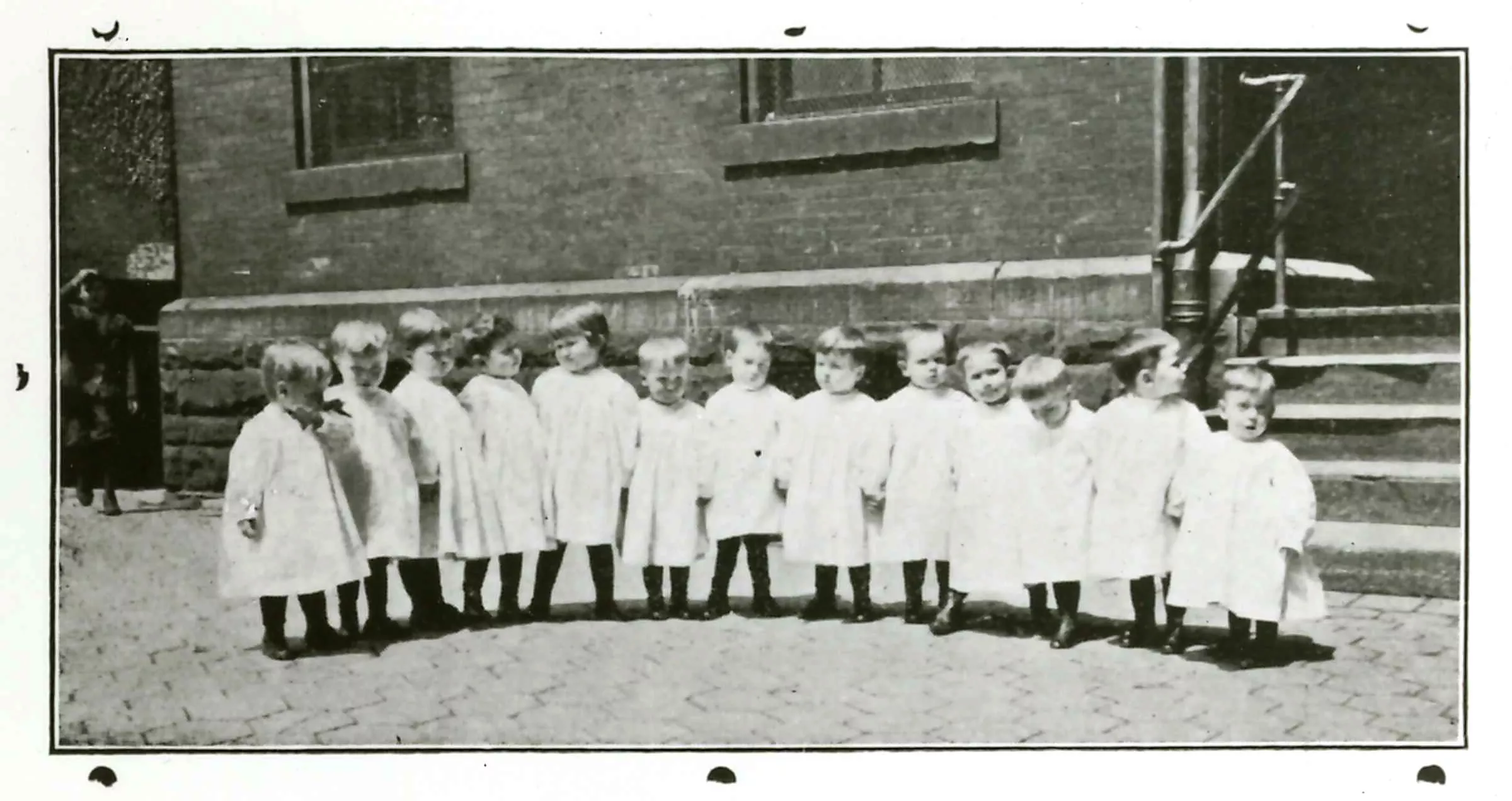
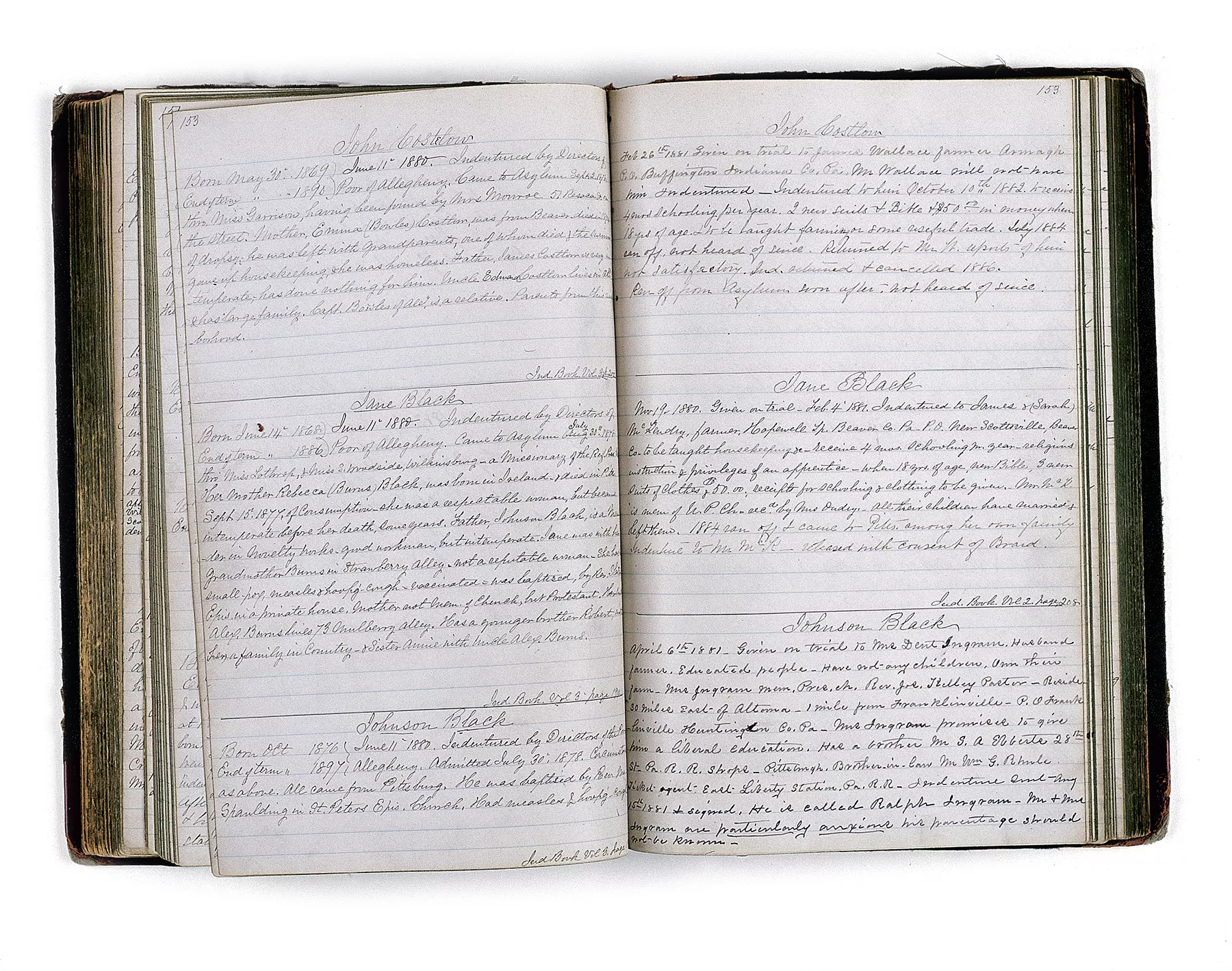
Cantrell and Ramey drew on their own family histories when writing the book — Ramey’s great-great-grandmother died in childbirth, and her great-great-grandfather, a Scottish immigrant who worked in a steel mill, couldn’t care for his seven children. He turned to the United Presbyterian Orphan’s Home (UPOH) for help.
Ramey had known through family stories that some of her kin had spent time in an orphanage. After she found a photo of her great-great-grandfather with some of his children, she went looking for answers.
“I knew they’d grown up in an orphanage, but they had a father,” Ramey says. Her book, which began as a Carnegie Mellon University Ph.D. dissertation, details the answers she found. In it, she compares two historic orphanages, one that cared for white children (the UPOH) and another that cared for Black children, the Home for Colored Children.
Childcare, which was how orphanages were viewed generations ago, was rigidly segregated by class, race, and religion, like many Pittsburgh institutions before the Civil Rights Era. Ramey’s work was the first to compare the experiences among both groups.
Like Ramey, Cantrell’s research was personal. Her grandmother was raised in the Odd Fellows Orphanage on the North Side.
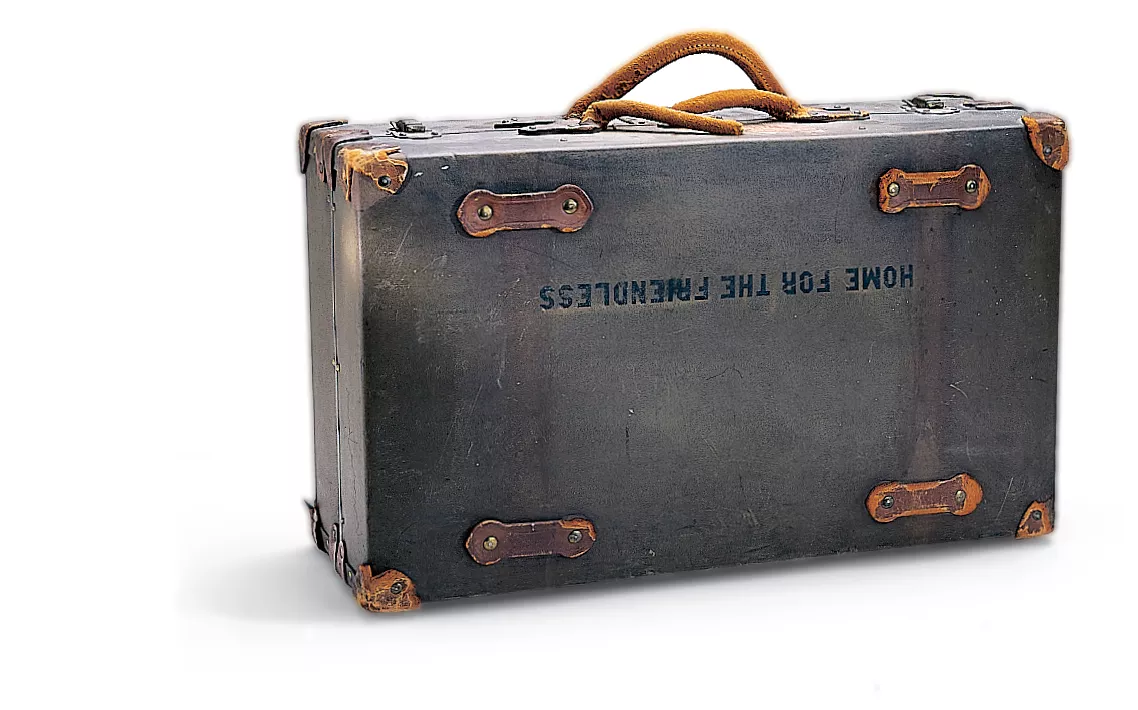
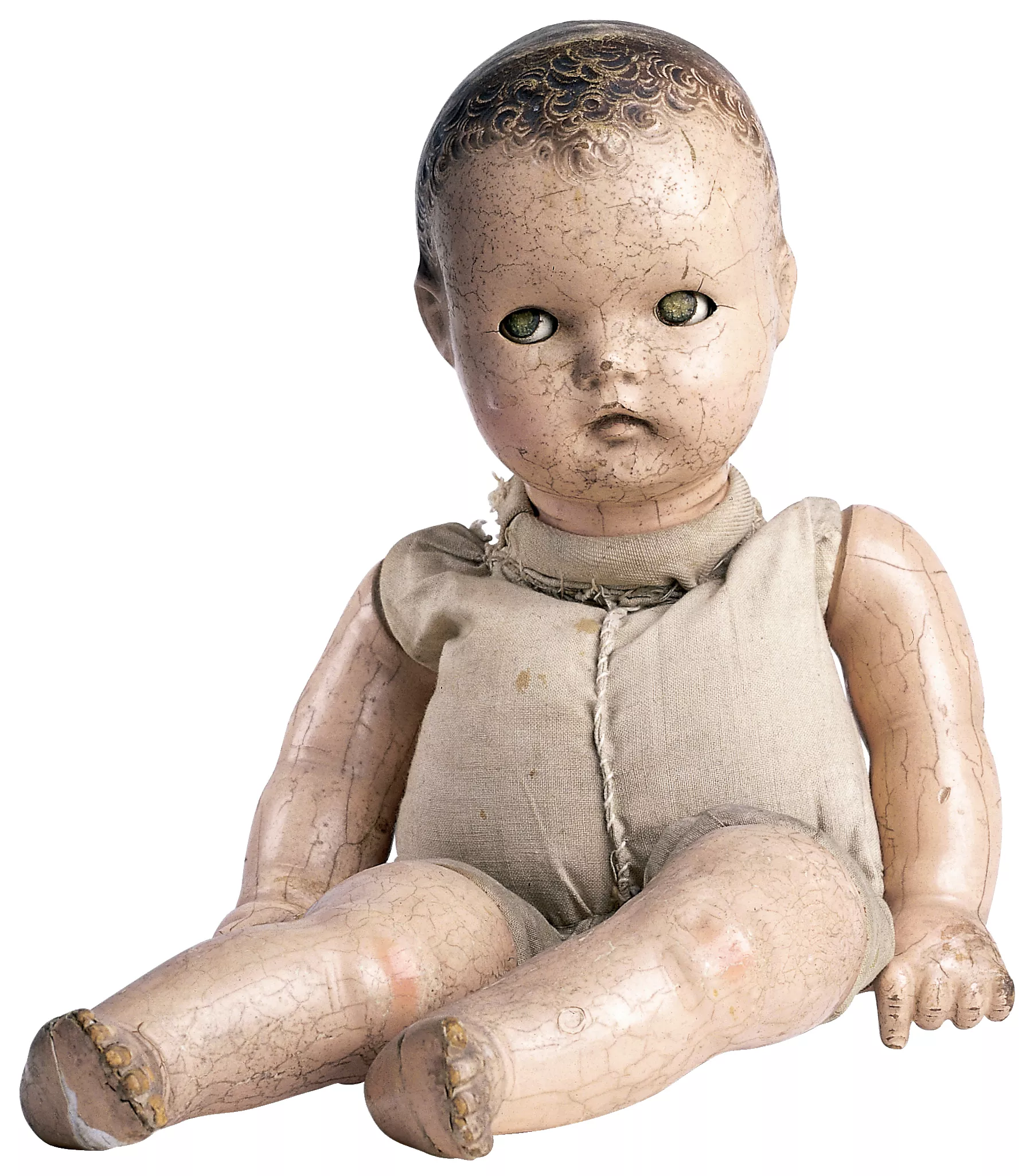
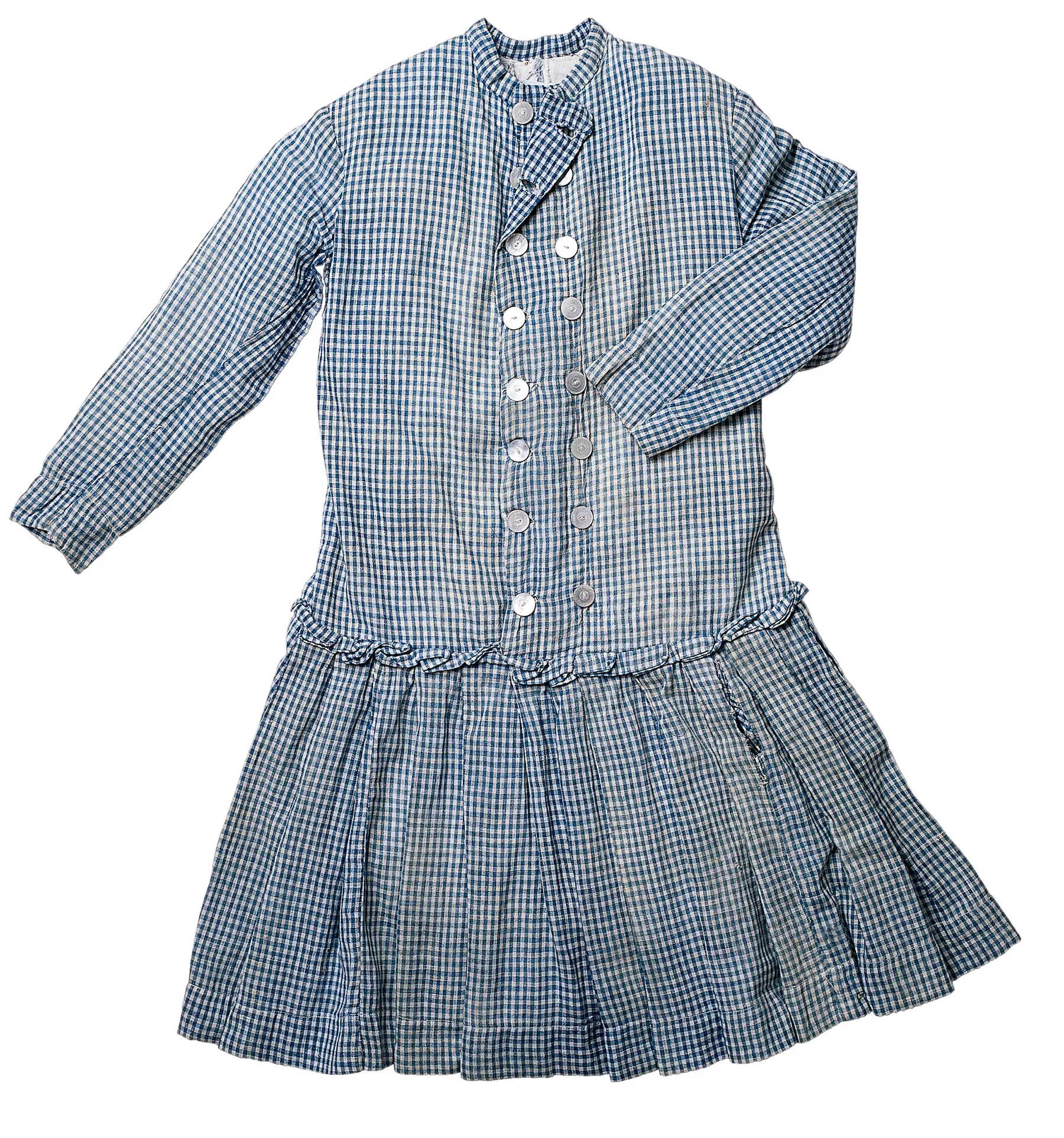
“She was 3 years old and she went to the orphanage with her 4-year-old brother,” Cantrell says. “Her father had died young and left her mother, a widow, with five children. The mother kept the older two at home, and the three toddlers went to the orphanage.”
The International Order of Odd Fellows was one of many Pittsburgh organizations that provided aid to members and their families in times of need. Their monthly dues bought burial insurance, access to fraternal halls, and entry to the organization’s institutions, including orphanages.
“If you were an Odd Fellow, which was kind of like the Masons or the Elks, it was [a social] organization, but it looked out for widows and orphans,” as well, Cantrell says.
The UPOH, which is now known as MHY Family Services, and the Odd Fellows Orphanage were among dozens of Pittsburgh-area orphanages documented by the Carnegie Library of Pittsburgh. The library’s local history department created a comprehensive list to help researchers locate historical records in the many archives throughout the region.
Pittsburgh’s earliest childcare facilities for the needy were temporary. “Many charities were short-lived responses to particular social catastrophes” like wars and pandemics, wrote historian Julie Lynn Smith in a 1995 CMU dissertation.
Founded in 1832, The Pittsburgh and Allegheny Protestant Orphan Asylum was the first enduring institution established in Pittsburgh dedicated to caring for indigent children. In 1861, the city gained another orphanage, the Pittsburgh and Allegheny Home for the Friendless.
Industrial accidents and shaved heads
Pittsburgh’s population exploded in the late 19th century due to the large number of people moving here to work in the city’s steel mills and other industries. So did the demand for childcare, and orphanages emerged to fill that need.
“Pittsburgh had a lot of orphanages,” says Ramey. Most, Ramey says, were founded and run by wealthy women affiliated with religious organizations. “So we had Presbyterian, various flavors of Protestant; we had Catholic; we had Jewish — a lot of different institutions.”
In the days before federal rules tightened up workplace safety, health insurance, and the 40-hour work week, industrial workers occupied precarious positions. An unexpected work accident or a seasonal layoff could send a family into an economic tailspin. Orphanages provided what families saw as relief.
“There were a lot of mill accidents here in Pittsburgh with the steel mills. Very dangerous work,” Ramey says. There were “a lot of people losing spouses to death, to sickness. All kinds of reasons that families are in crisis. So they’re often turning to orphanages to just help them get through troubled times.”
Though orphanages were central parts of an early social services safety net that evolved into a modern social welfare system, they weren’t typically pleasant places for the children who lived there.
“We pull kids away from biological relatives and we pay foster parents to take care of them,” says Megan Birk, a University of Texas at Rio Grande Valley history professor who studies the history of social welfare system and childcare. “Under that same kind of basic premise that removing them from whatever this thing was, and assuming that the next thing is better, is somehow a solution to a problem.”
But, of course, it isn’t now, and never was, that simple.
“There were all kinds of ways that it was not fun, not easy,” says Ramey of orphanages.
Children housed in early orphanages were labeled as “inmates.” Many of the institutions themselves were called “asylums.” Though institutionalization seemed like a good solution, there were consequences.
“These kids were not living with their families. They’d been disrupted. There was a lot of trauma,” says Ramey.
Histories of orphanages document episodes of physical, sexual and emotional abuse. But the trauma runs deeper than that.
“The orphanages often had their kids wear uniforms,” says Ramey. “When kids had to wear uniforms and then go to the public school, everybody knew you were an orphan. So that was really stigmatizing. Sometimes all the kids would get lice, and they’d shave their heads. That was also really stigmatizing if you had to go to school with a shaved head.”
Despite all that, many families in this era viewed orphanages as the only viable solution when hard times hit, regardless of the potential trauma this caused children. The pervasiveness of this choice impacted the evolution of certain institutions, and the lineage of many Pittsburgh-based families, all the way to the present day.
Founded in charity
Much of Pittsburgh’s wealth in the 19th century was concentrated in Allegheny City, now the North Side. The wives and daughters of industrialists and entrepreneurs turned to charity in their spare time, which included philanthropy centered on orphanages.
Many were operated out of North Side homes. Before they merged in 1969 to become Pressley Ridge, the Protestant Orphan’s Home and the Home for Friendless Children were both located in the North Side.
Founded in 1891 in Ben Avon, the Odd Fellows Orphanage moved to Fleming Avenue in Brighton Heights. It closed in 1965. A year later, Allegheny County bought the property and turned it into a home for dependent and neglected children. In the 1970s, it became a substance abuse treatment facility. The Pittsburgh Board of Education now owns the seven-acre campus.
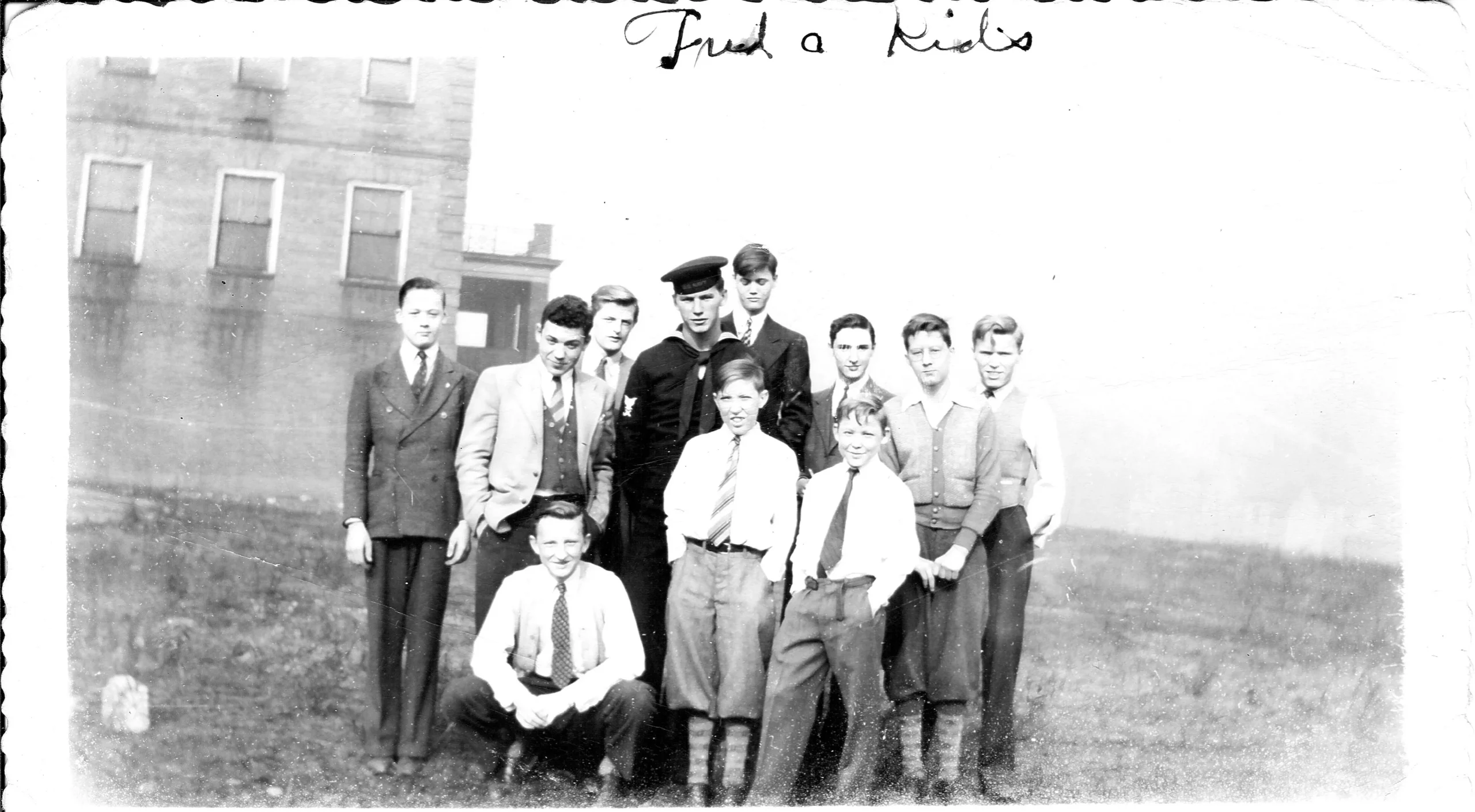
Larry Peterson’s father Fred grew up there. Fred’s father, a tinplate factory worker, couldn’t care for his children when his wife died. Fred and his brother Vernon ended up in the orphanage.
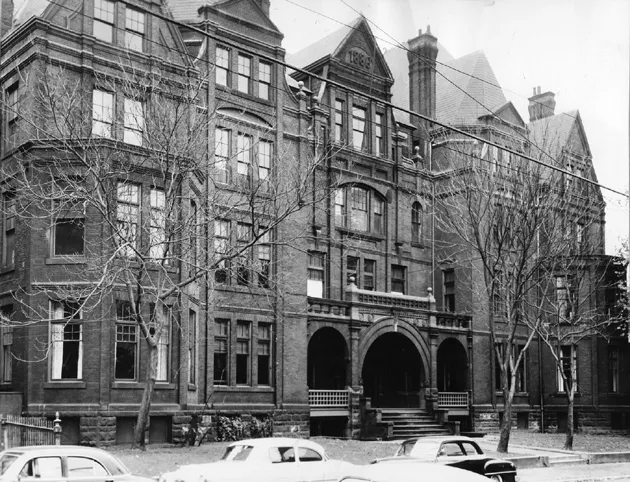
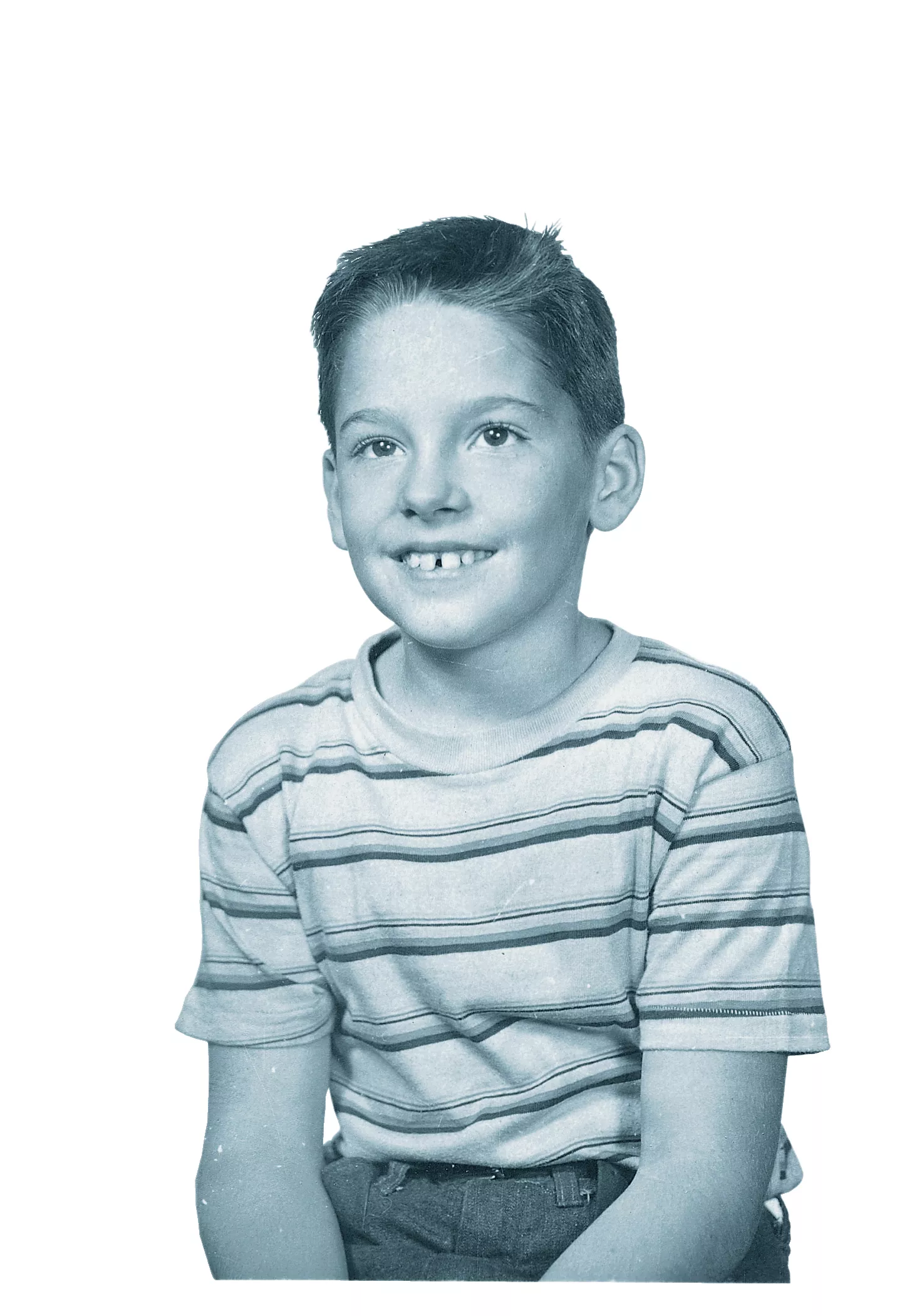
What sets Larry’s family history apart from others is that his mother was also raised in an orphanage, St. Paul’s Orphan Asylum. The couple met as adults. Though Larry’s father didn’t talk much about his childhood, his mother shared stories, and Larry has scoured the Internet for genealogical information.
Peterson’s family moved from Pittsburgh to New Jersey. He still lives there. On visits to Pittsburgh, Peterson visited both orphanage sites and the neighborhood school his father attended.
He has a photo of his father playing baseball, and Peterson tried to locate the field where it was taken. “We went back there and we were trying to piece it together to see if any of those homes in the background were still there [and] we could just kind of visualize where he was,” Peterson says.
The Gusky Hebrew Orphanage and Home was another North Side institution. It served Pittsburgh’s Jewish communities between 1891 and 1943. More than 600 children lived in the institution’s Perrysville Avenue home. Approximately 85% had one living parent, and more than 100 had two living parents.
“Poverty was the primary reason” for children being housed there, Martha L. Berg wrote in a 2018 issue of the Allegheny City Society’s newsletter. After the orphanage closed, its assets were sold to fund the Jewish Family and Children’s Service of Pittsburgh.
Enduring legacies
Though the Gusky Hebrew Orphanage ceased to exist, its name survives in the Gusky Child Guidance Clinic inside the Jewish Family and Children’s Service.
Most of Pittsburgh’s orphanages shut their doors and sold their assets decades ago. There are a few holdouts, though. Pressley Ridge has its headquarters in the North Hills and satellite locations in seven states, including Texas.
“We were the first in Pittsburgh to serve children with social and emotional challenges,” says Pressley Ridge CEO Susanne Cole. “We’ve got around 80 different programs.” Pressley Ridge provides foster care and adoption services, specialized education, and home care for children with mental healthcare needs.
Another survivor is the Three Rivers Youth Council. It was founded in 1880 as the Home for Colored Children. Also originally located on the North Side, it served a growing Black population drawn to Pittsburgh by the lure of good jobs and the possibility of escaping Jim Crow segregation.
But that promise didn’t pan out. James Fulton, a Presbyterian pastor, rescued from the streets a young Black girl named Nellie Grant, no more than 5 years old, and was unable to convince any of the existing orphanages to take her in. Even the pastor’s own church, which operated the UPOH, turned away the girl.
Fulton appealed to white civic activist Julia Blair and the Women’s Christian Association. “The only thing to do is make a home for her,” Blair responded, according to a history published by the University of Pittsburgh.
As Pittsburgh’s own Jim Crow barriers began to fall in the 20th century, the Home for Colored Children changed its name in 1951 to the Termon Home for Children, reflecting its new Brighton Heights location. In 1970, the home merged with the Girls Service Club to become Three Rivers Youth.
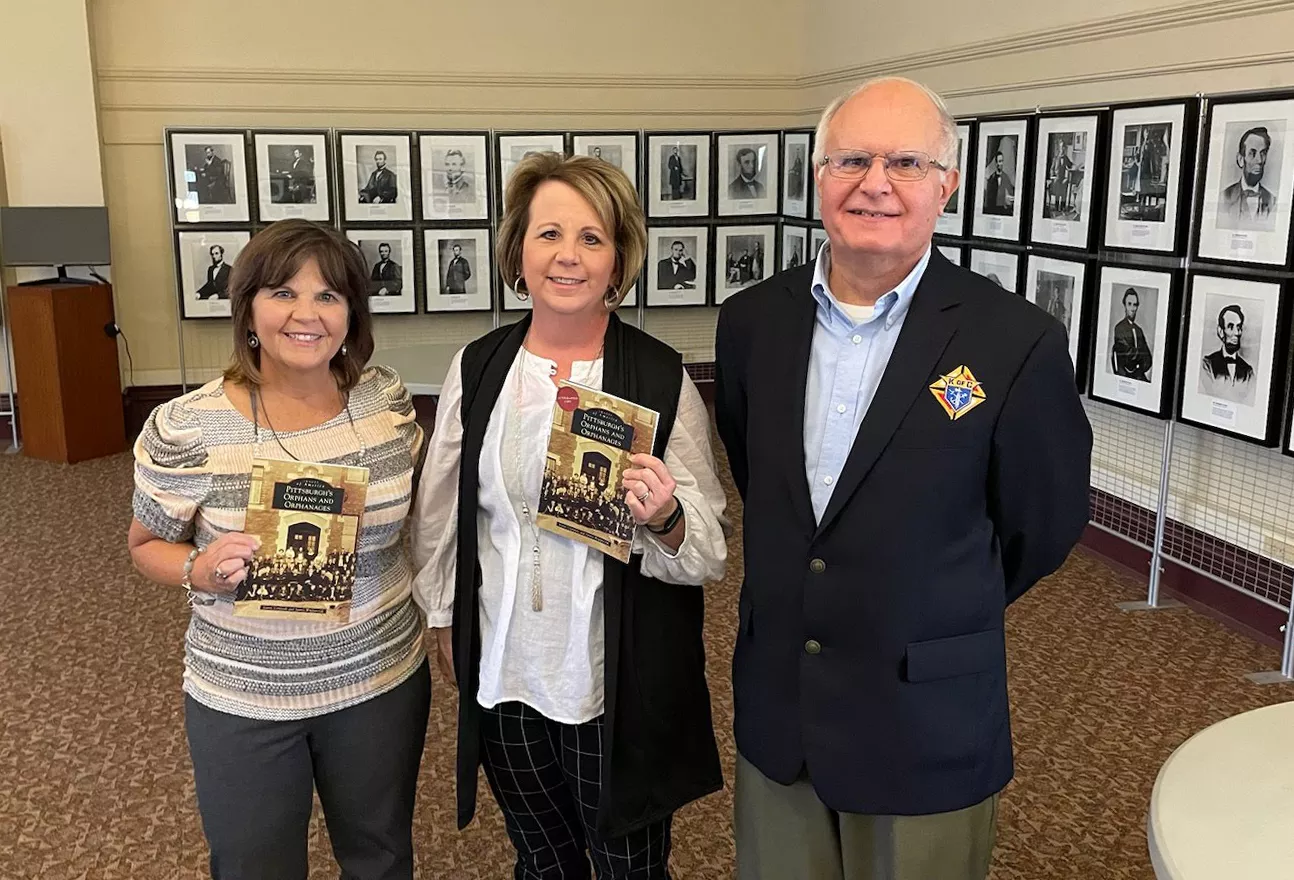
Three Rivers Youth annually hands out the Nellie Leadership Awards, named for Grant, to people who have made significant contributions to the community.
The story of Pittsburgh’s orphanages is not by any stretch of the imagination Oliver Twist, the Charles Dickens novel about 19th century London orphans. But it is a story about resilience and benevolence in a sublime industrial city once described as “hell with the lid taken off.” For many of the children living here, that hell can’t be papered over with just a colorful literary description.
This article appears in Oct 23-29, 2024.