
Deprecated: mb_convert_encoding(): Handling HTML entities via mbstring is deprecated; use htmlspecialchars, htmlentities, or mb_encode_numericentity/mb_decode_numericentity instead in /var/www/html/wp-content/plugins/super-cool-ad-inserter/inc/scaip-shortcode-inserter.php on line 37
A white supremacist assassinated Martin Luther King Jr. on April 4, 1968. Within hours, neighborhoods in cities throughout the United States erupted in flames as grieving and angry crowds vented their frustrations. Pittsburgh was one of 125 cities where uprisings destroyed businesses and entire city blocks in predominantly Black neighborhoods.
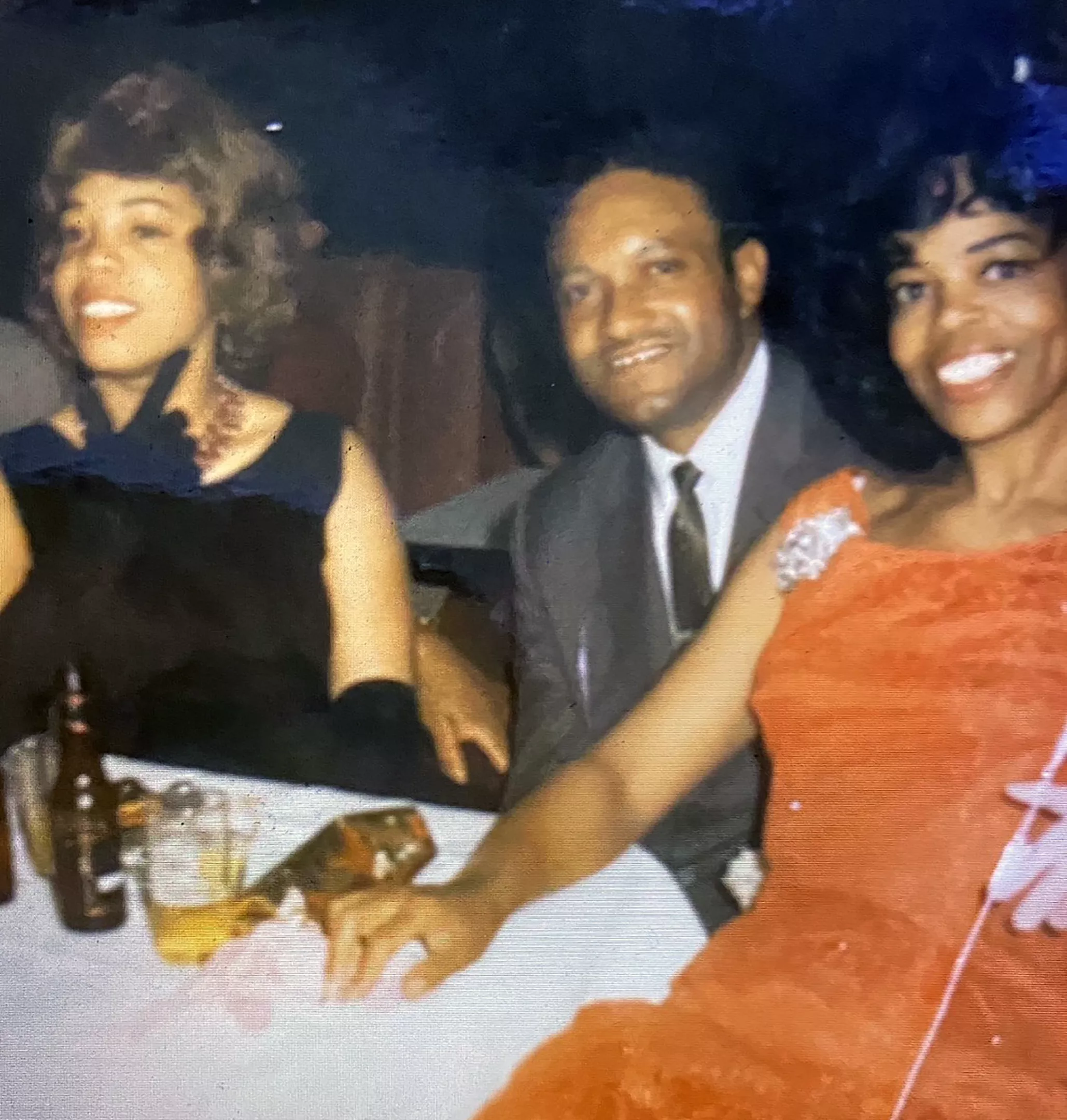
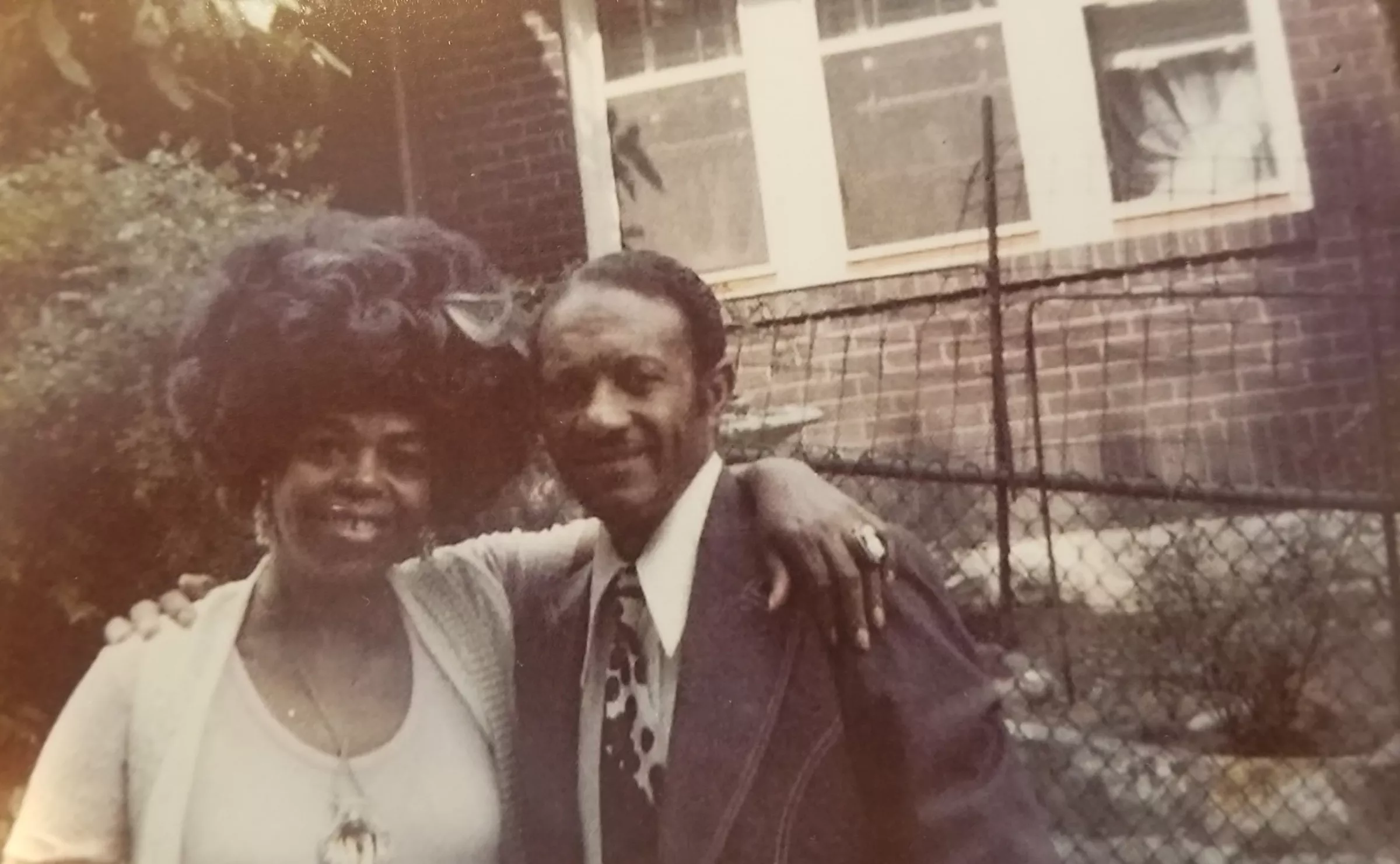
Not all Black Americans channeled their grief and anger in the streets. Some, like Christine and Joe Cawthon, mourned by leaning into King’s embrace of nonviolence.
The Cawthons had moved from the Hill District to Penn Hills in 1954. Their former Penn Hills home was one of several Pittsburgh City Paper documented in an investigation into environmental racism. The Cawthons’ grandchildren read the earlier articles and reached out to share intimate details about their family and their house, of which Penn Hills officials wrote, “This structure holds absolutely no historical value for the municipality.”
“That just really broke my heart,” says Tashieka Russell, Christine and Joe Cawthon’s granddaughter.
The former Cawthon home had lots of history, including frequent visits by King’s brother, A.D. King. The Cawthons and their extended family played key, undocumented roles in Pittsburgh’s civil rights history.
Great migrations
Christine and Joe Cawthon’s families moved to Pittsburgh during the Great Migration. Joe arrived in the late 1930s. Born in Milledgeville, Ga. in 1917, his father was a plumber, and his mother died when he was six.
Joe lived on the North Side before enlisting in the Army in 1941, a few weeks before the U.S. entered World War II. He married Christine Johnson while on leave in June 1943. Christine moved to Pittsburgh as a child in the 1920s after her mother died.
Christine’s father, John Kent Johnson, was an educator and acclaimed public speaker. She and her siblings were raised in church parsonages and with family friends. Christine and her older sister, Nancy, spent time at the North Side orphanage called the Home for Colored Children.
Christine was living in a Hill District parsonage when she married her first husband, Bill Brookins, in 1938. She was 16.
Brookins was a career criminal who had been convicted in 1940 to serve eight years in Western Penitentiary for burglary. Allegheny County Judge John J. Kennedy asked Christine’s attorney in her May 1943 divorce hearing, “You have quite a number of reasons [for the divorce]. Do you elect to proceed on any particular ground and thereby save time?”
Her attorney replied to the judge, “We will proceed on the ground that [Brookins] was convicted of a crime and was sentenced to aggregate terms of eight years in the Western Penitentiary.”
Christine and Joe first lived in a rented North Side home she had been sharing with Nancy, who had married Robert Brookins, Bill’s brother. After leaving the army, Joe went to work for the Pittsburgh Railways Company. He became one of Pittsburgh’s earliest Black trolley operators after the streetcar company began hiring Black drivers in 1945. In 1961, the Pittsburgh Courier described him as “a pioneer motorman.”
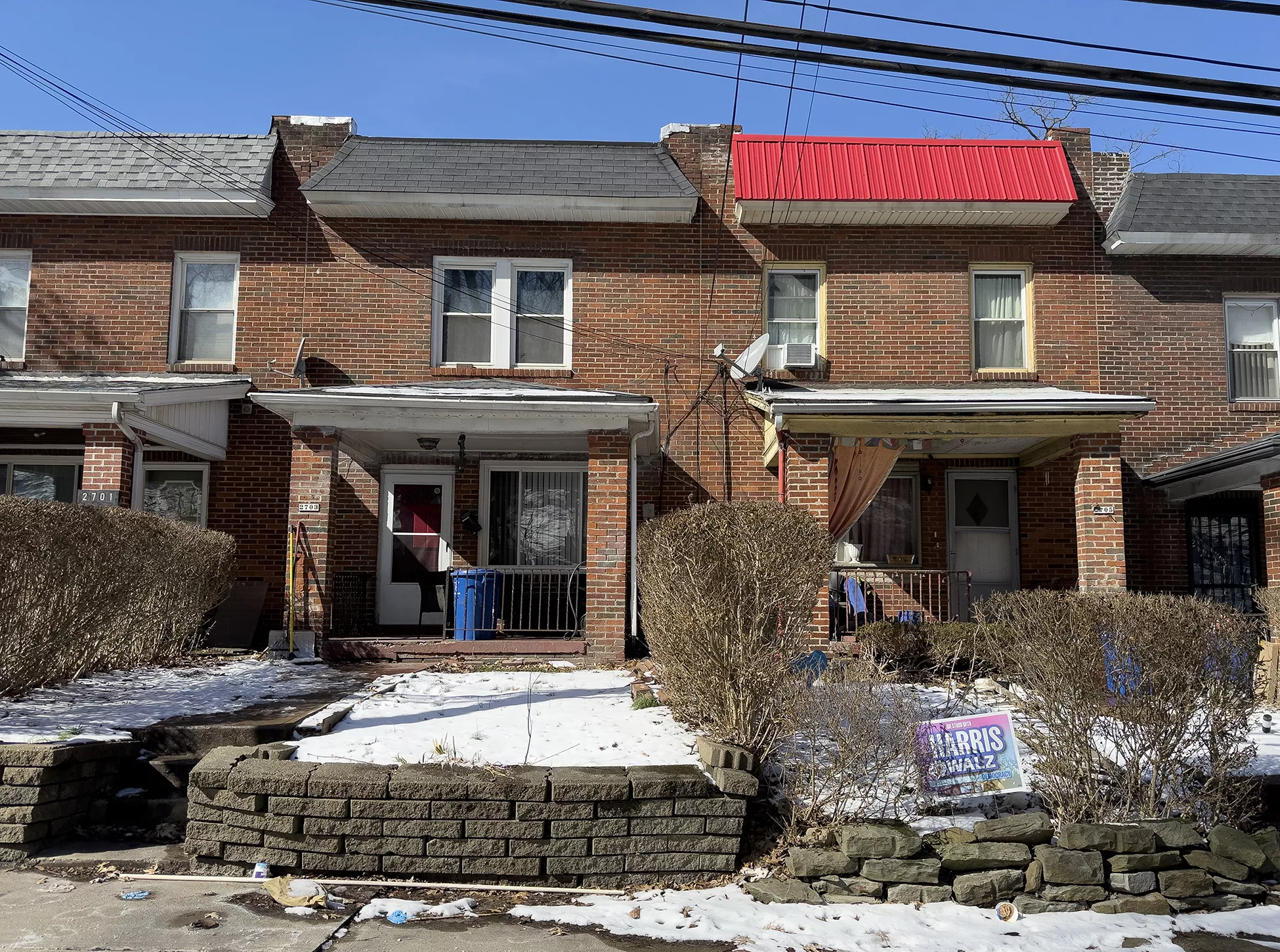
In 1946, Christine and Joe bought their first home, a Hill District rowhouse on Brackenridge Street. They paid $4,850 in cash. A year later, Joe’s father died, and his younger brother Robert moved to Pittsburgh to live with the couple while attending Schenley High School.
By 1954, the Cawthons had outgrown their Hill District home, and they bought 1903 Funston St. in Lincoln Park. Again, they paid cash, $12,775, for the suburban bungalow built in the 1920s by a North Side coffee company owner.
Civil rights activism
Joe ended his workdays at the Lincoln Avenue trolley turnaround just across the city line, and he walked home up the hill into Lincoln Park. Stories told among Cawthon family members say that Christine worked in a shipyard as a Black Rosie the Riveter during World War II. She also worked as a nurse and, later, studied theology.
The Cawthons led an uneventful suburban life until 1958, when five drunk white men brutally attacked the couple. While stopped at a light on Penn Avenue in Garfield, the men pulled Joe from the car and beat him while shouting racial epithets. It’s a story that younger generations of the family had never known until reading the City Paper Penn Hills series.
“That was a shock to me,” says John Gordon, Christine and Joe’s grandson. “They didn’t talk about it.”
“That was the most heartbreaking part,” says Russell. “When I read that part, I had to stop reading, and I wept.”
The 1958 hate crime likely propelled Christine to combine her longtime church work with the emerging civil rights movement. In 1965, she worked with other Lincoln Park neighbors led by Dr. Charles Greenlee to remediate sewage spills and dumping in their neighborhood. Their work led them to form a new civil rights organization, the short-lived Penn Hills Association for Racial Equality (PHARE).
“She was instrumental in the development of PHARE,” wrote daughter Deborah Cawthon in Christine Cawthon’s obituary.
Christine’s civil rights work also brought her into the Southern Christian Leadership Conference (SCLC) and Dr. King’s orbit. “In the late 1960s, Mom joined forces with Dr. Martin Luther King Jr. and his brother, A.D. King to take the message of social change and non-violence around the country,” Deborah Cawthon wrote.
“My grandmother, she knew Martin Luther King Jr. very well. They were close friends,” says Gordon.
“Dr. Martin’s brother, A.D. King, visited Funston Street on several occasions. Your grandfather and grandmother and A.D. planned strategies,” Deborah Cawthon wrote to another grandson and her nephew, Jerome White. “During those Funston Street visits, I remember your grandfather frying chicken in the kitchen and whistling. This while A.D. King and his [your] grandmother sat in the dining room. They were writing in notebooks, drawing up strategies and plans for our freedom.”
Grieving for MLK
The Hill District began to simmer in the hours after Martin Luther King Jr. died in Memphis, Tenn. Four hours later, at 11:30 p.m. April 4, 1968, a Bedford Avenue building was firebombed. Soon, people began congregating on Centre and Fifth Avenues, corridors with large numbers of white-owned businesses. Store windows were broken and shops were looted.
By April 7, Palm Sunday, the Hill District was ablaze, and National Guard troops deployed to Hill District properties. The unrest spread to Homewood and Manchester. Civil rights leaders, including Rev. Leroy Patrick, Alma Speed Fox, and Byrd Brown hit the streets and tried to deescalate the situation. “On Palm Sunday, we had planned a peaceful demonstration starting on Freedom Corner,” Fox told the Post-Gazette in 1988. Fox and her collaborators were met by a phalanx of nightstick-wielding police officers.
Historian Ralph Proctor, who died in 2024, grew up in the Hill District. The day after King died, he attended a meeting at Ebenezer Baptist Church. “People filed in slowly, greeting one another in hushed tones; some embraced; some quietly wept; I was numb,” Proctor wrote in his 2022 memoir, Voices from the Firing Line: A Personal Account of the Pittsburgh Civil Rights Movement.
The uprisings dominate published accounts from this period. Buried deep within the history books and journalism retrospectives are episodes like the ones Proctor recounted. Other responses, like how the Cawthons grieved and honored King, were mostly forgotten.
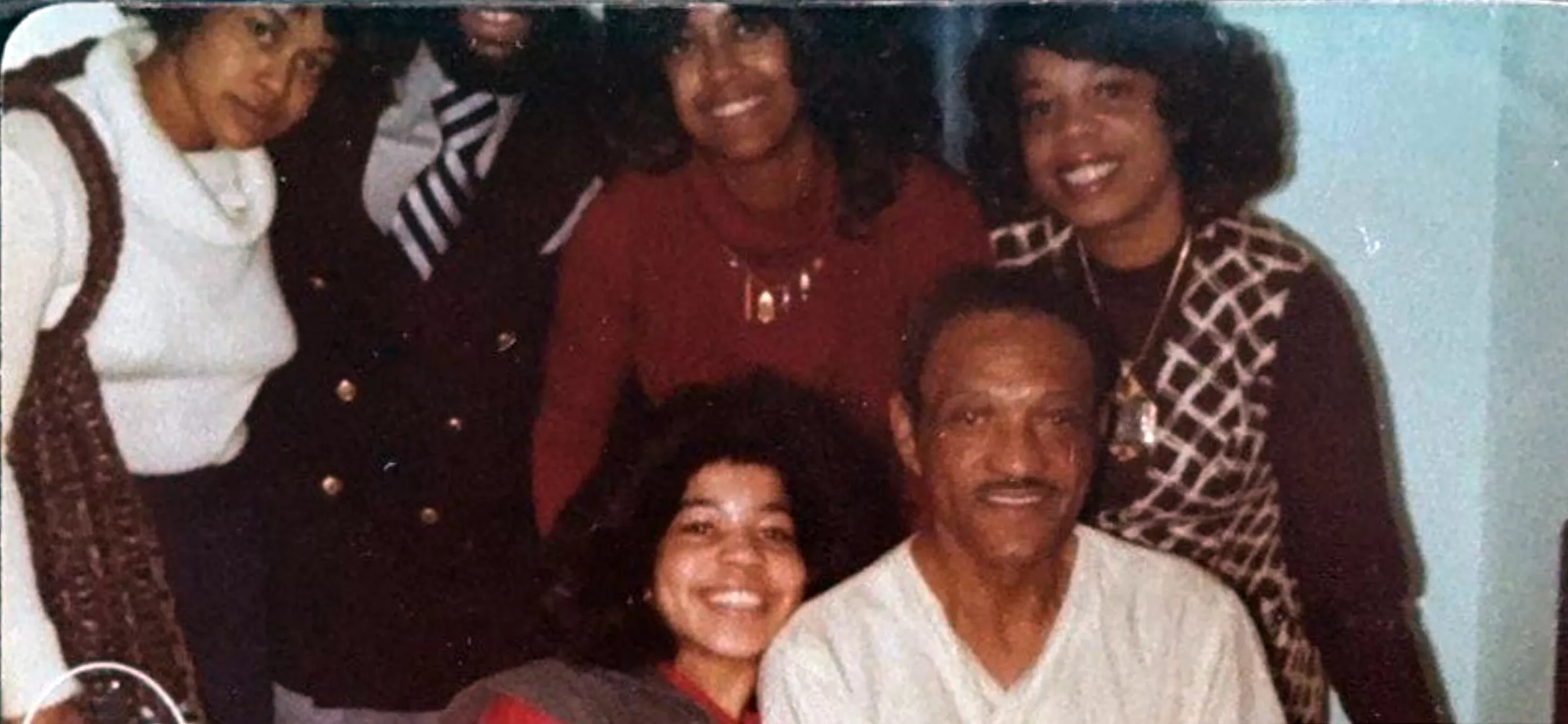
“They chartered two Trailways buses from Pittsburgh to Dr. King’s funeral in Atlanta,” Deborah Cawthon wrote. Christine and Joe filled the buses with family members and community members. “We traveled through some of the South, through the South, as cities burned all around us in response to the assassination of Dr. King.”
“We were able to go, and he was the first dead person I ever saw,” recalls Gordon. “I’m 8 years old and they dragged me everywhere, you know. So I went to see his body and everything.”
Agnes Green is Christine and Joe Cawthon’s niece. She also went to Atlanta for the funeral. She recalls that the Cawthons organized the Atlanta trip independently, and that’s why it was never reported.
“They got the bus, [but] the organization didn’t have anything to do with it,” says Green. “This is something personal. They did on their own — personal.”
Holes in the ground and in family hearts
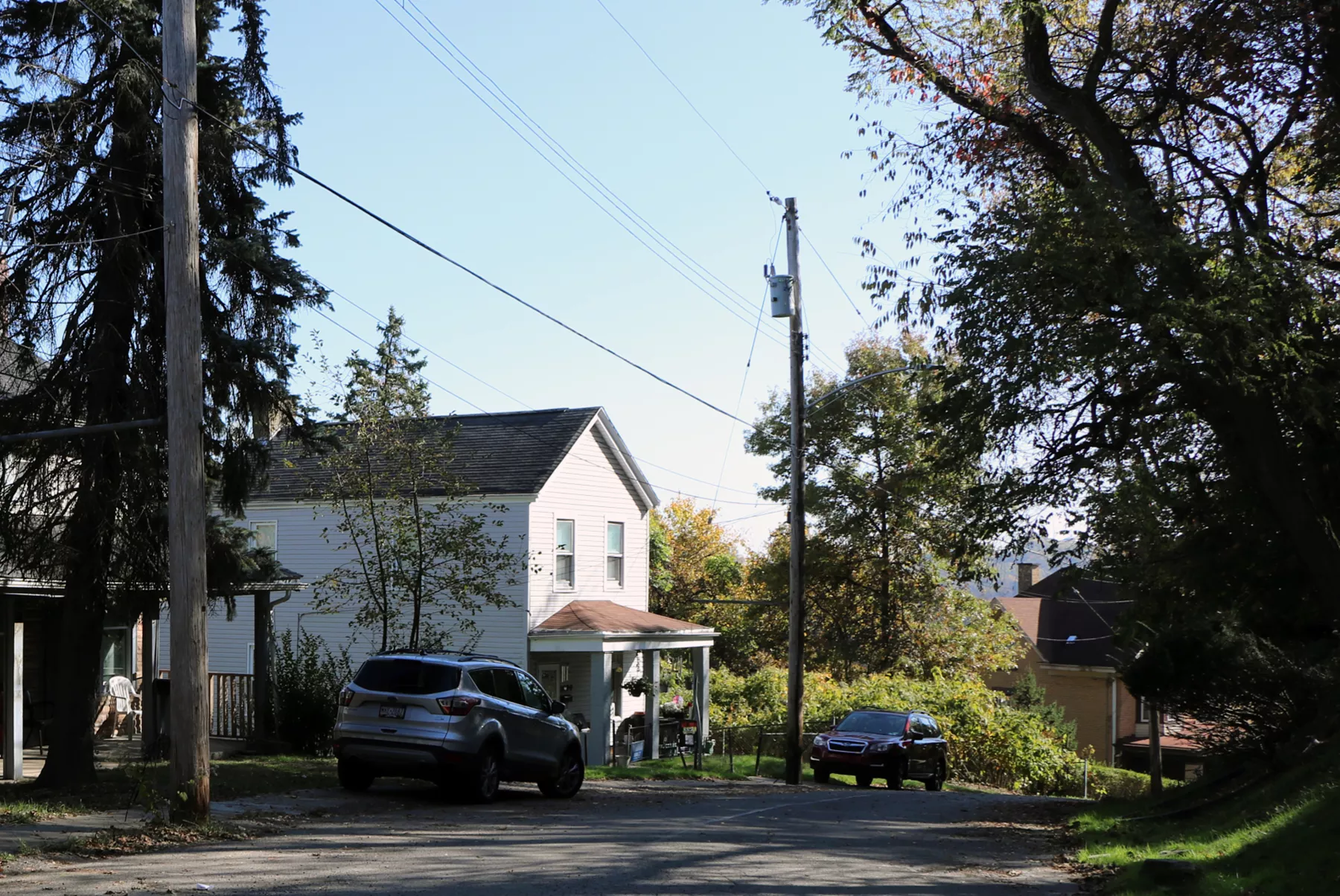
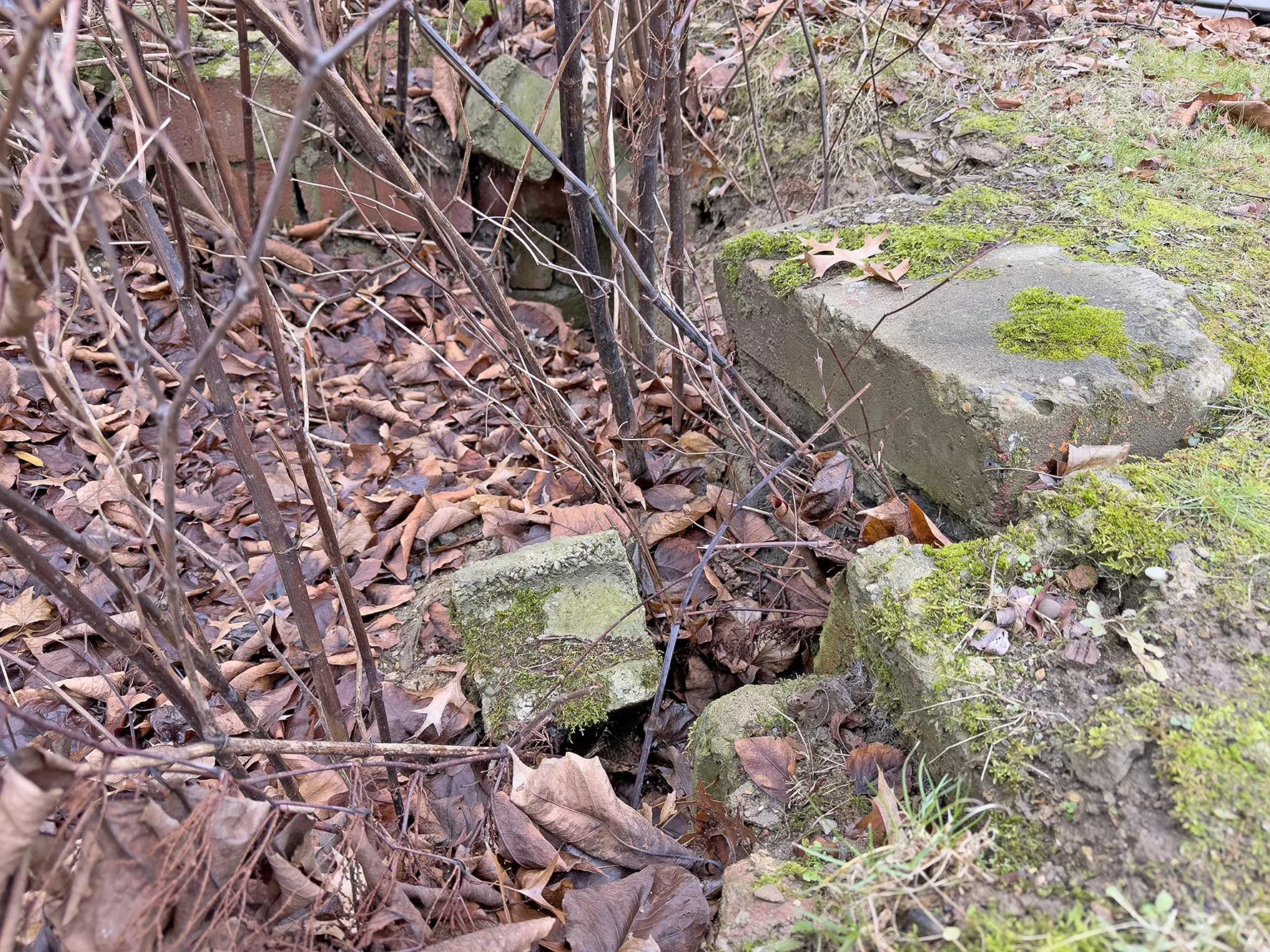
All that’s left of the Lincoln Park home where the Cawthons strategized civil rights work and hosted King family members is a hole where the basement was located and a tangle of invasive bamboo and briars. It’s where Gordon slept while he lived in the Funston Street house — the house that Penn Hills said had no history.
Christine Cawthon was much more than a local civil rights leader. “My grandmother was an artist and she had her art all around the house,” says Russell. There were handmade bead curtains that separated the dining room from the living room, ballerina cutouts, painted ceilings, and lots of books. Christine Cawthon even penned a play, Hopeless Integration, under a pseudonym in 1967.
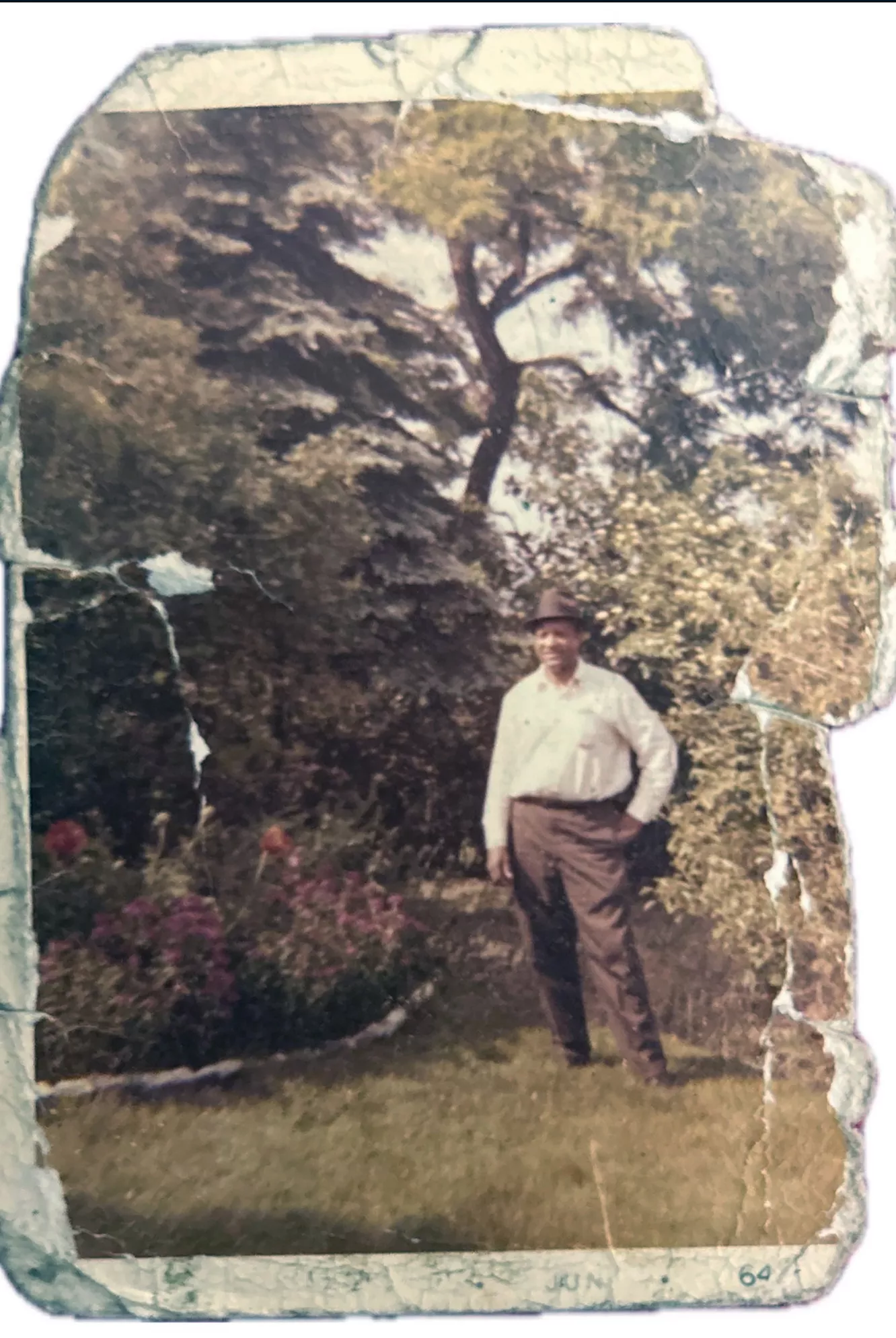
The Funston Street home’s backyard was Joe Cawthon’s domain. “My grandfather created a beautiful backyard,” says Russell. “He had a whole picnic table set up back there, a brick grill that he built with his own hands where he would barbecue. Beautiful flowers and shrubs, [and a] pond with fish in it on the side.”
Joe Cawthon died in 1984. Christine sold her home to Gordon and moved to California, where she died in 1988.
“I bought the house to keep it in the family,” he says. He was in the army and deployed to Germany. He and his siblings had lived in the house after their mother’s marriages disintegrated. In 1989, Gordon defaulted on the mortgage, and the property was sold.
Gordon and Russell have returned to Funston Street several times in the past decade.
“When I went back to Pittsburgh for the first time a few years ago, when we had a family reunion, I was devastated to see that the house was gone,” says Russell. “I was just back there for a conference a couple of months ago and drove up there again and was just really disheartened to see the neighborhood that was once a thriving neighborhood.”
For three generations of Cawthons, 1903 Funston St. was a well-loved home with a history that extended far beyond its walls and Pittsburgh.
“We all lived in Grammy’s house on Funston Street,” says Russell. “The safest place in my childhood was that red brick house.”
This article appears in Apr 2-8, 2025.