
Deprecated: mb_convert_encoding(): Handling HTML entities via mbstring is deprecated; use htmlspecialchars, htmlentities, or mb_encode_numericentity/mb_decode_numericentity instead in /var/www/html/wp-content/plugins/super-cool-ad-inserter/inc/scaip-shortcode-inserter.php on line 37
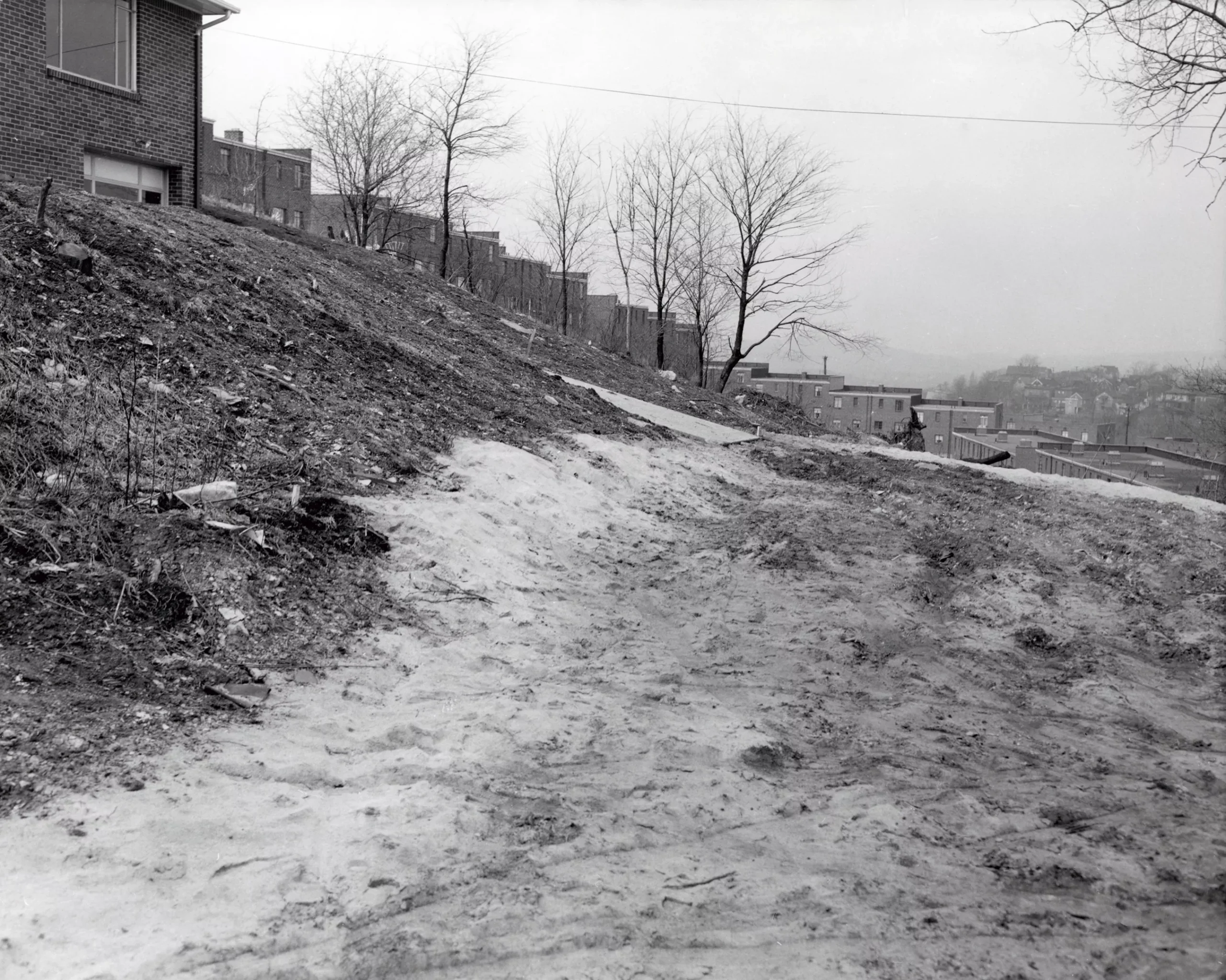
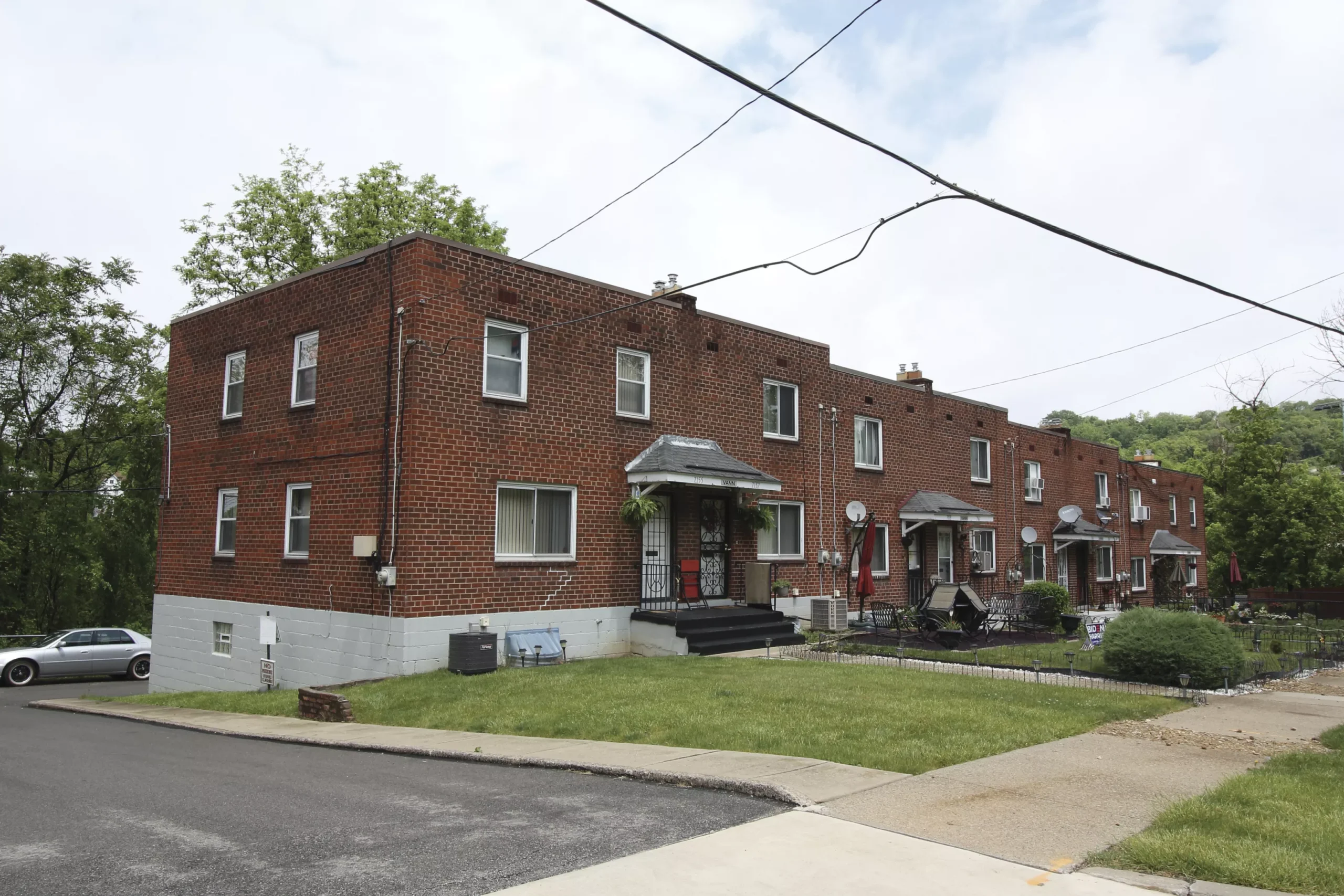
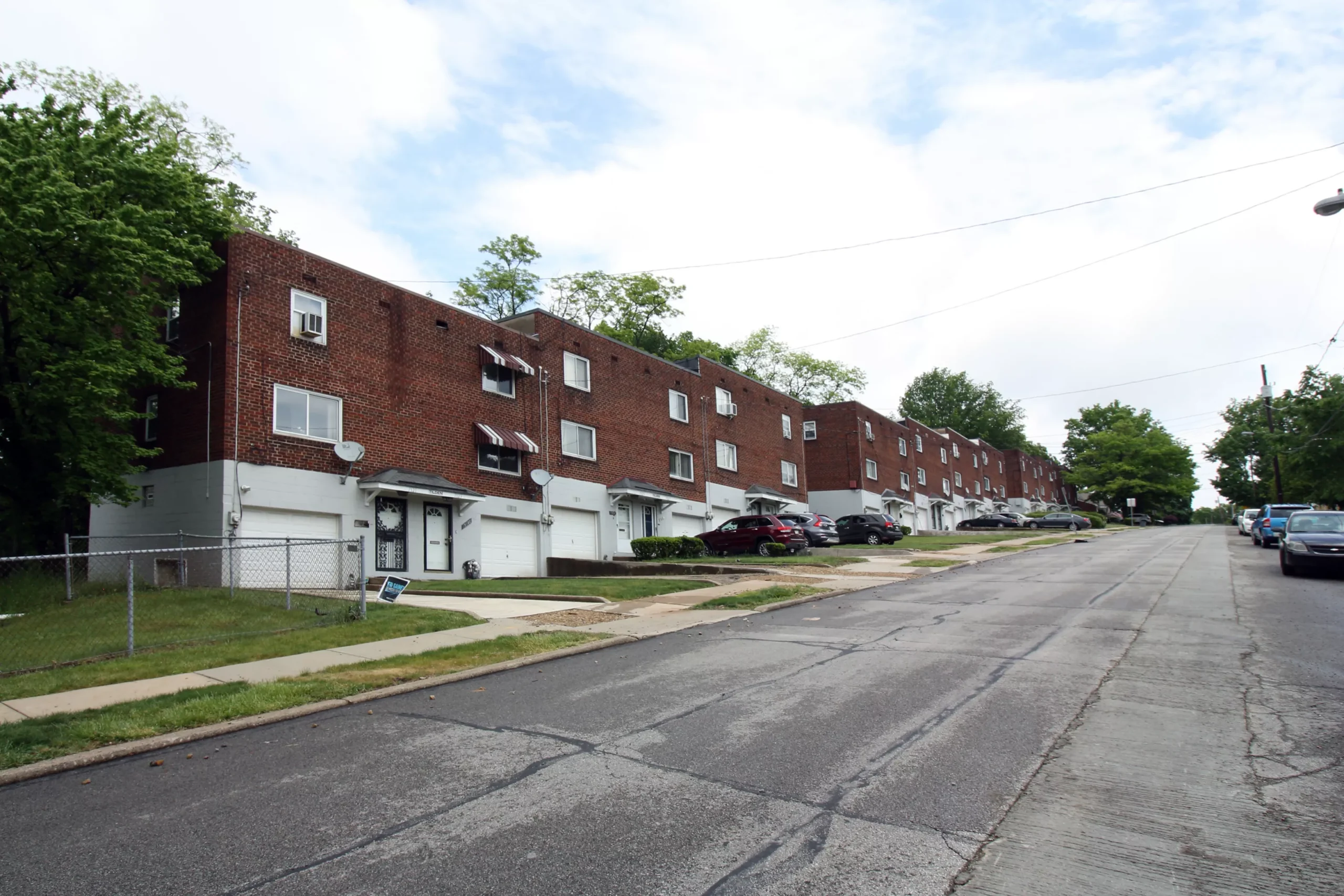
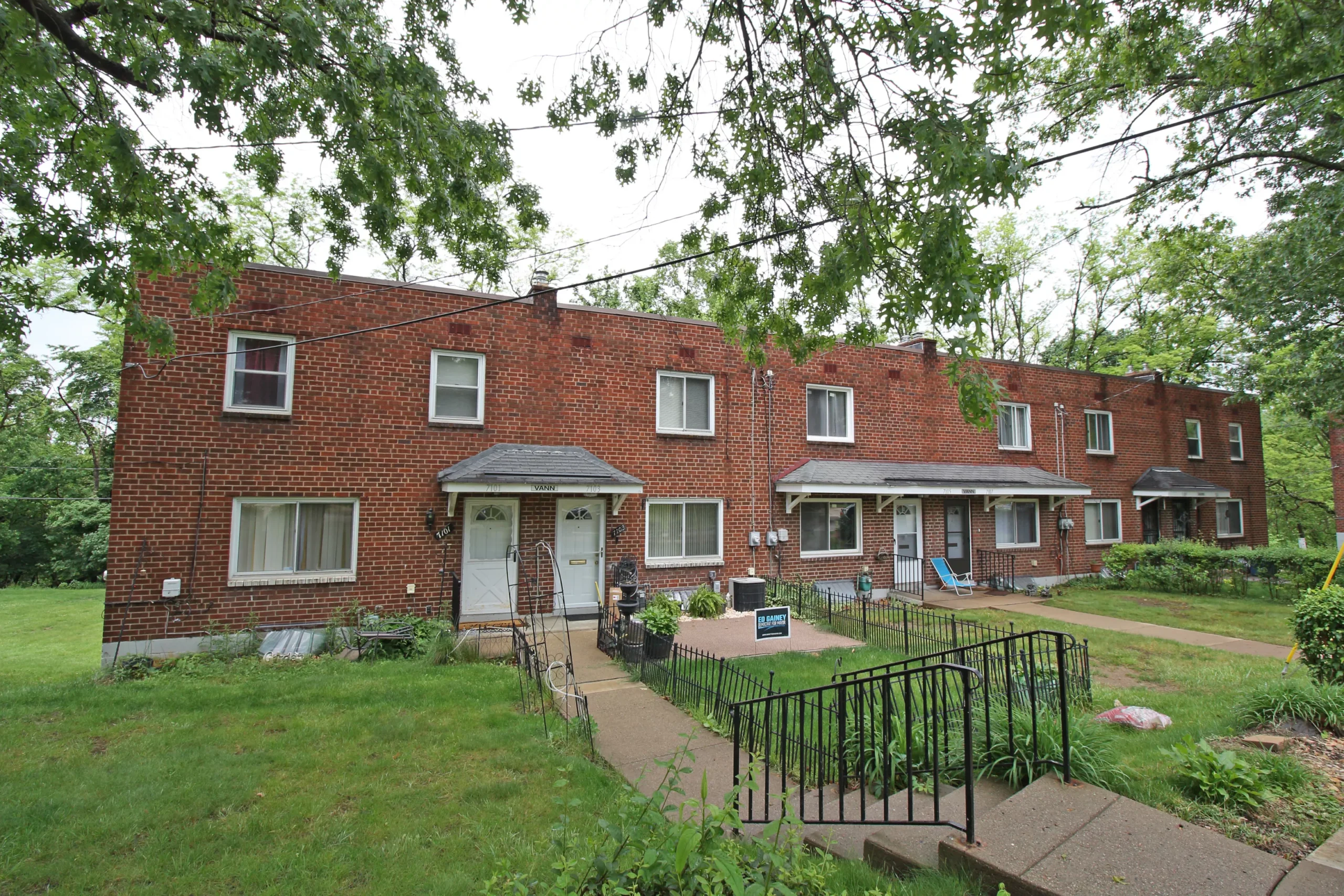
Belmar Gardens, a development with 118 townhomes in Lincoln-Lemington-Belmar, was one of Pittsburgh’s earliest Black-owned and developed subdivisions. The brainchild of a Pittsburgh Courier columnist and the wives of other Courier leaders, Belmar Gardens became Pittsburgh’s first cooperative housing development funded by a Federal Housing Administration-insured mortgage.
When the neighborhood was completed in 1955, renowned photographer Charles “Teenie” Harris captured every step in black and white photos, from clearing the property to the first families moving in. It was a milestone moment in a city marked by neighborhoods destroyed by urban renewal and restricted by real estate exclusions. Belmar Gardens became a homeownership success story and an important part of Pittsburgh’s Black history.
Large numbers of Southern Black migrants came to the Steel City during the Great Migration between 1910 and 1970 in search of better jobs and to escape Jim Crow racism. Instead, they found different types of violence and exclusion, leading many to dub Pittsburgh the “Mississippi of the North.”
Despite many roadblocks thrown up by workplace, housing and educational discrimination, a thriving Black middle class emerged here. Doctors, attorneys, journalists, teachers, musicians and a highly-acclaimed architect were among their numbers, while some racketeers and others likewise prospered. As these men and women accumulated wealth, they outgrew such historically Black neighborhoods as the Hill District and parts of the North Side.
“We knew as young people coming up in a Black community — and this was the same in every Black community in the city of Pittsburgh — that if you went to certain areas, you would not be able to rent,” explained historian Ralph Proctor before he died last year. “You would not be able to buy property.”
These Black professionals had the means to buy housing that fit their status, but yinzer-flavored Jim Crow practices frequently blocked the way. Some people bought homes in East End neighborhoods and others moved to suburbs like Penn Hills.
In 1950, Congress passed a new housing act enabling the FHA to insure mortgages for housing cooperatives. A form of collective ownership, housing cooperatives are like clubs where people apply for membership. Instead of access to a clubhouse, the members get a home. There had been cooperative housing before that, but those properties were usually apartment buildings in big cities like New York.
The new law opened the floodgates for new housing projects in cities and suburbs throughout the country. Groups that historically faced significant housing discrimination, from Jews in Washington, D.C. to African Americans in New York, suddenly had a pathway to homeownership. So too did union workers and others who needed to pool their resources in order to afford a new home.
In 1952, Pittsburgh Courier columnist Paul L. Jones and Maybelle Nunn, Helen Prattis, Corrine Lindsay, and Frances Nunn founded Belmar Gardens. Maybelle Nunn was married to Courier managing editor William G. Nunn Sr., and Frances Nunn was married to columnist and sportswriter William G. Nunn Jr. Jones had been writing about housing for years. Lindsay was an undertaker’s wife whose daughter worked for the Courier.
The group hired New York developer William Brafman to build the subdivision. Brafman had recently completed the highly-acclaimed Merrick Park Gardens in Jamaica, New York. “This is the first project undertaken by a Negro group,” an FHA racial relations officer wrote in a 1953 agency publication.
Brafman, a white attorney turned real estate professional, leveraged that experience in Pittsburgh. Brafman and the Prattises assembled 9.2 hilltop acres for the development. Numbers racketeer and Hill District barbershop owner William “Woogie” Harris owned a stately Victorian home — now known as the National Opera Company House — down the hill, and he sold Brafman 2.9 acres for the development.
“Well, my Uncle Woogie had part of the property going up there,” recalled Crystal Harris, Teenie Harris’s daughter.
The 1950 Housing Act created two types of cooperatives: management and sales. Belmar Gardens was a “management type” cooperative. In this model, each resident became a subscriber whose monthly payment went towards paying down the mortgage and taxes.
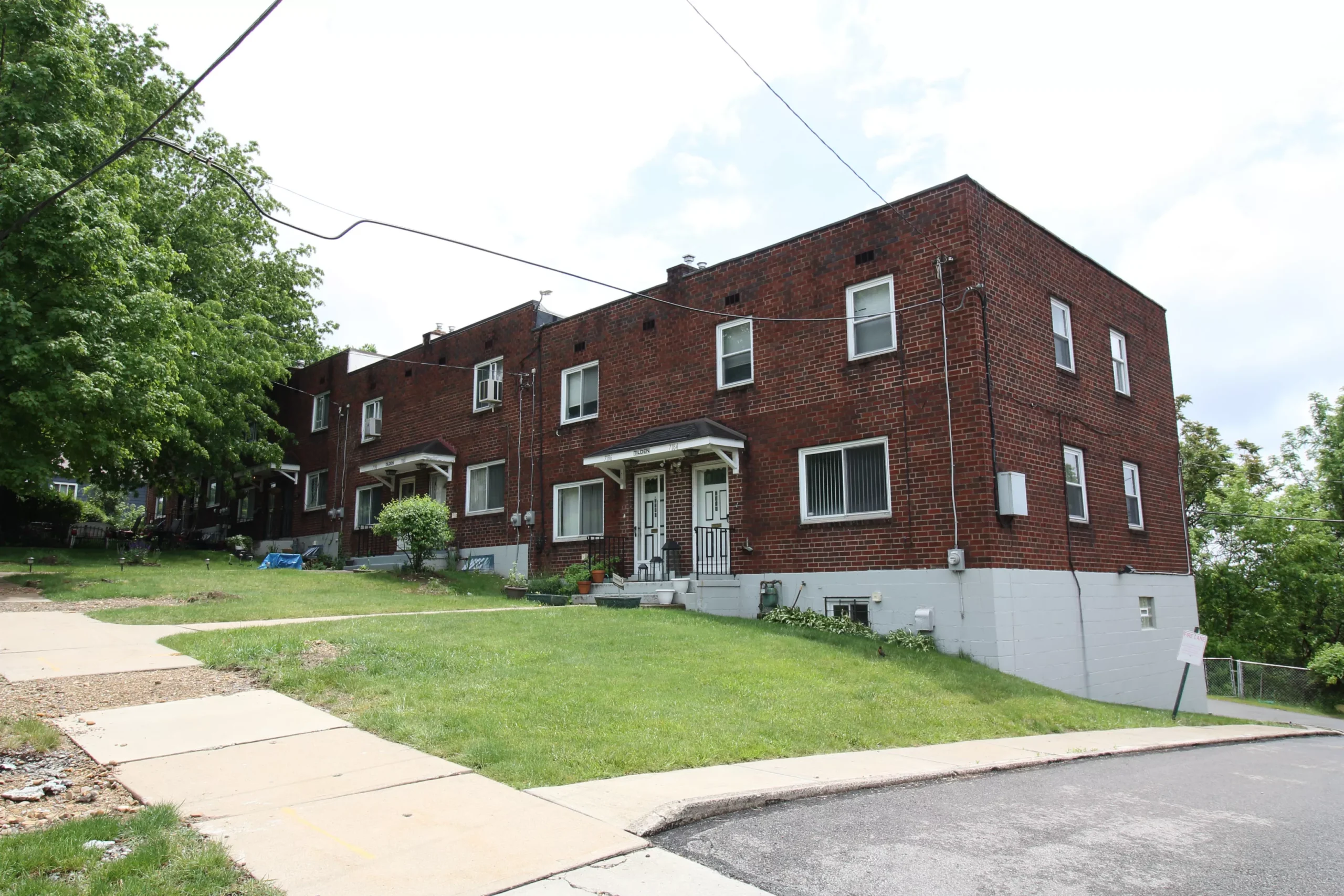
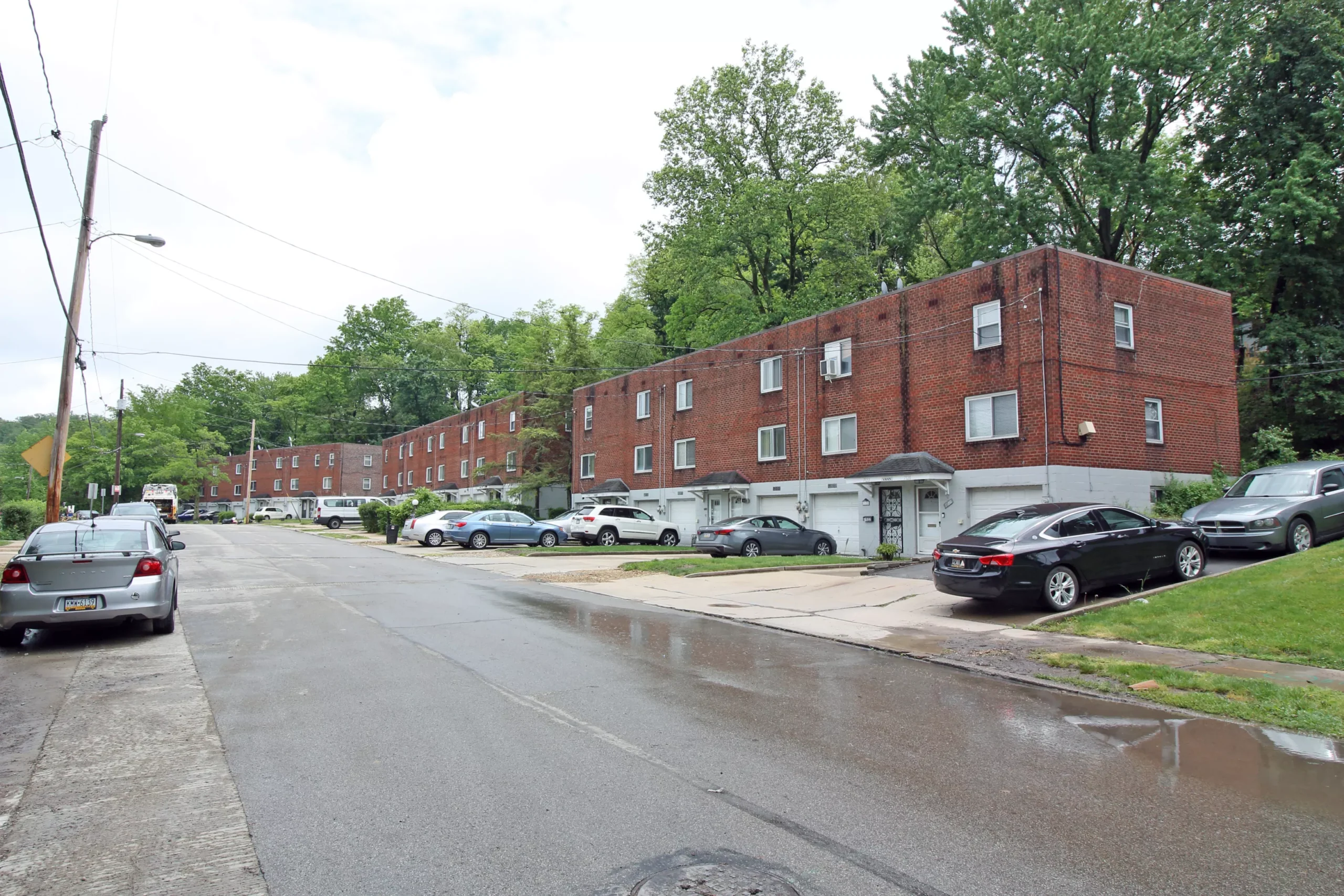
“The houses are row type, built six to eight in a row,” Brafman told a congressional committee in 1953. “[They were] separate, individual houses, having individual heating systems, utilities, garages, and basements.”
Brafman built two streets inside the horseshoe-shaped development, Tilden St. and Vann Rd. — named for Courier publisher Robert L. Vann, who died in 1940.
The first families moved into Belmar Gardens in 1954. Legally, anyone could buy a Belmar Gardens home. “The members of Belmar Gardens are all Negroes, although the offering was not limited to any particular group,” Brafman told Congress.
Pittsburgh’s entrenched segregation practices enabled Black families to create a neighborhood free from white harassment and surveillance because no white families wanted to live there.
Belmar Gardens quickly attracted notable Pittsburghers, among them pioneering broadcaster Mal Goode and jazz crooner Jerry Betters. Many more less distinguished families also lived there, including James and Mary Truman, whose family papers are archived in the Heinz History Center.
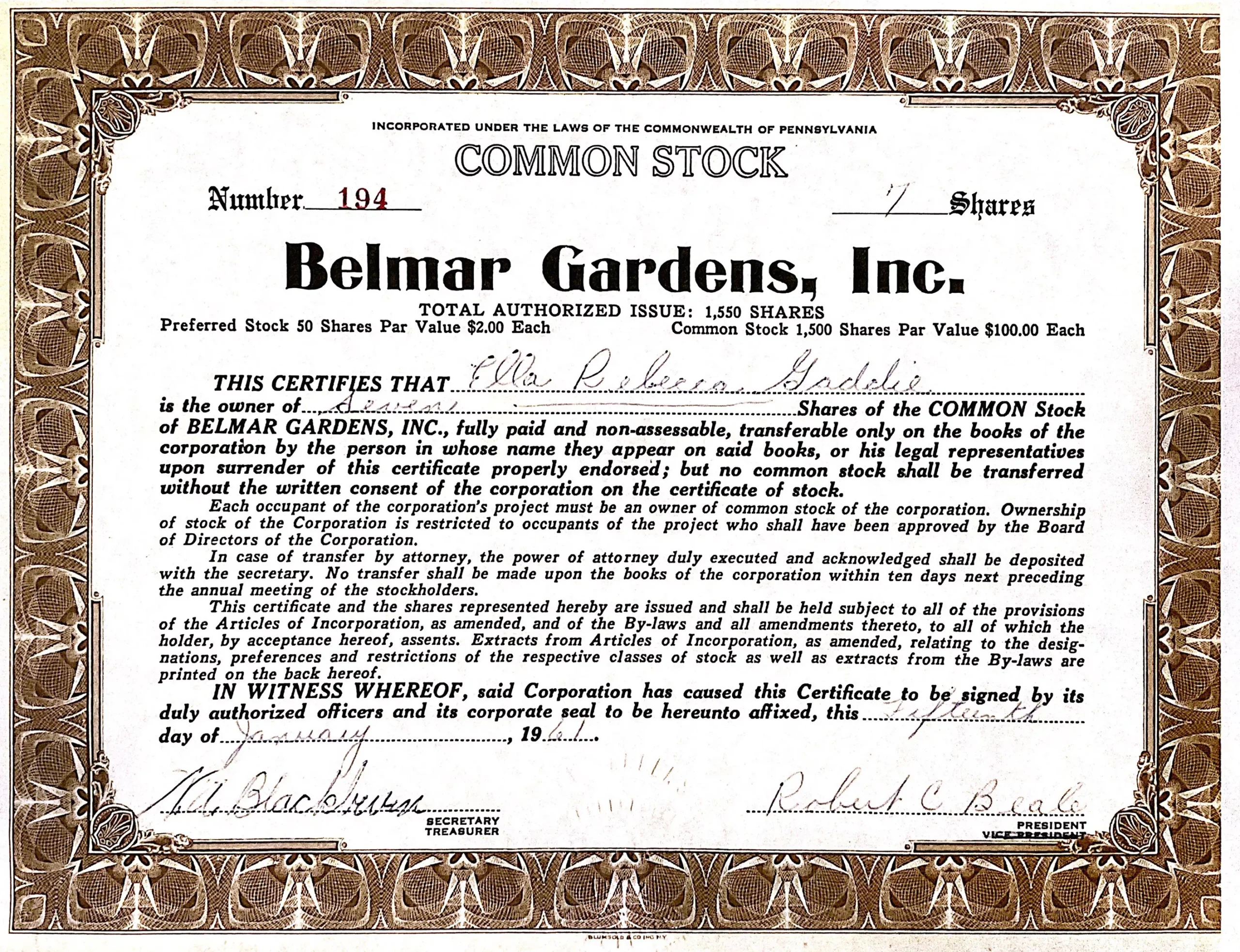
Among the Truman family documents are the family’s 1954 subscription agreement to occupy 7120 Vann Dr. They paid $70 a month for their 5-room home and each month’s payment increased the family’s equity in the property. The family also kept a copy of the 1995 New Pittsburgh Courier article reporting on Belmar Gardens residents’ burning their mortgage and the 1961 stock certificate marking the transfer to the Trumans’ married daughter, Ella Gaddie.
Longtime Pittsburgh residents remember Belmar Gardens as one of the few Black developments here before the 1980s. “Blacks were building houses even prior to Belmar Gardens being built,” explained Donald Miller, who grew up in the Upper Hill District’s Sugar Top neighborhood.
Chip Boykin, whose family owned a popular barbecue restaurant chain, grew up in a single-family home on Oakdene St. just outside of Belmar Gardens. “All those houses and stuff were more of a planned-type thing,” Boykin says of the Belmar Gardens homes.
He doesn’t recall any divisions separating the street where he lived from the people in Belmar Gardens. “I guess we didn’t see it as that and stuff like that,” Boykin says. “It was just, you know, part of the neighborhood at that point.”
Very little has changed in Belmar Gardens since the 1950s. At a time when Pittsburgh struggles to solve an affordable housing shortfall, Belmar Gardens remains shareholder-owned, and local affordable housing advocates point to it as a successful cooperative housing model.
Correction: An earlier version of this misstated the relationships between Maybelle Nunn and Frances Nunn and their spouses. The error has been corrected above, and City Paper regrets any confusion.
This article appears in Feb 5-11, 2025.