
Deprecated: mb_convert_encoding(): Handling HTML entities via mbstring is deprecated; use htmlspecialchars, htmlentities, or mb_encode_numericentity/mb_decode_numericentity instead in /var/www/html/wp-content/plugins/super-cool-ad-inserter/inc/scaip-shortcode-inserter.php on line 37
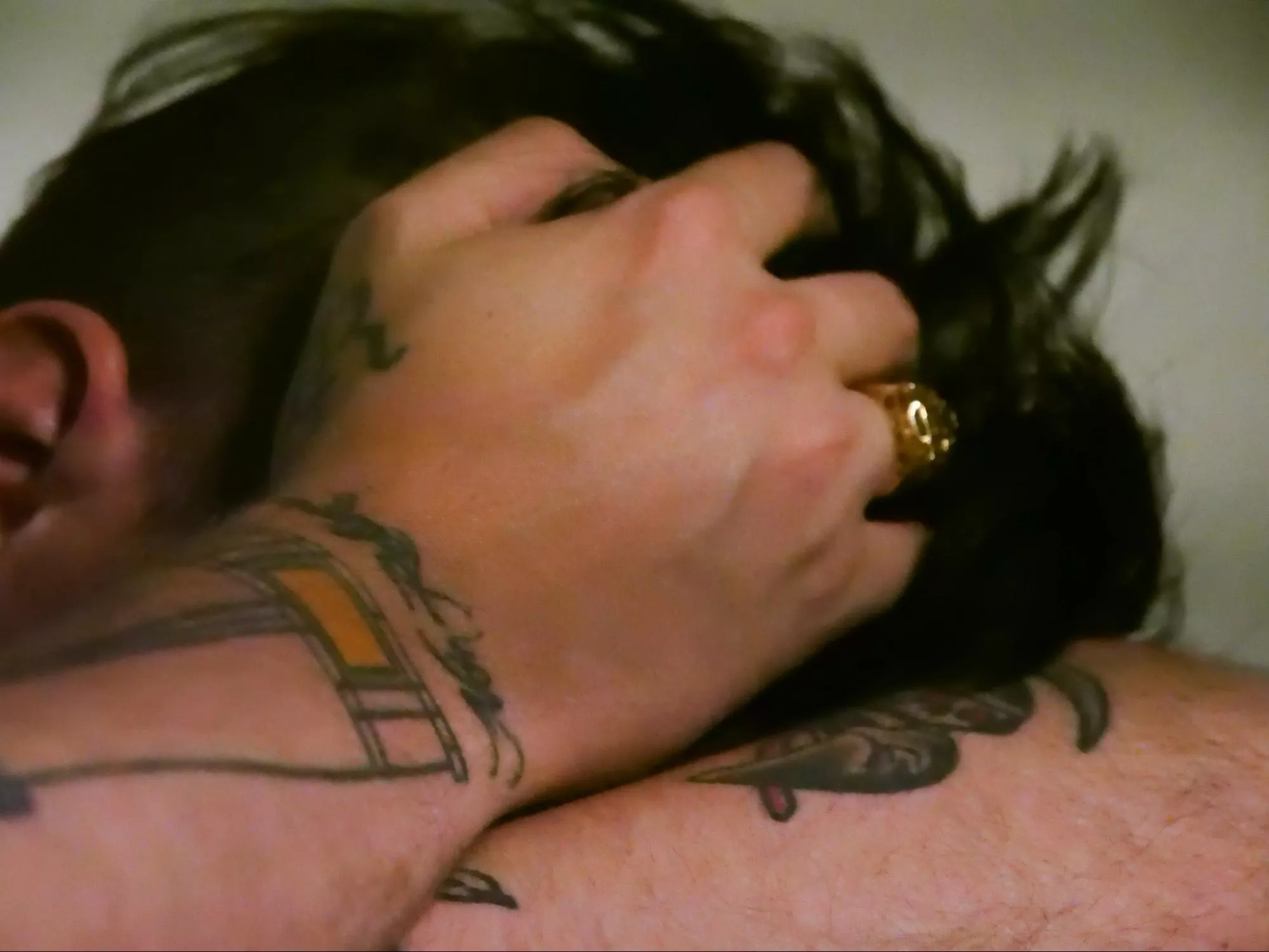
Dustin Hanson’s arms are a tattoo roadmap to every pain and highway from small town West Virginia, to the Big City, Pittsburgh, Pa. Everywhere he’s been, the hills and valleys, both geographic and emotional, and all the miles in-between stretching out in the double-lined distance.
Tattooed in Latin in a circle around his wrist, is the phrase “Non relinquam non relinques.” He translates it to: “I will not give up on you, you will not give up on me.” The phrase first appeared in 1870 on the Castellani wedding bracelet, a ceremonious promise to be faithful from an aristocrat husband to his wife. Hanson nurtures an obsession with the finer things, and heard about the Latin phrase because Jackie Kennedy bought the famed bracelet. Now, that phrase is Hanson’s promise to himself: to love himself, stay true, and never attempt to hurt himself again.
This is a nod to the unseen, more specifically, invisible disabilities like mental health diagnoses and autism in the queer community. It’s a face we in the LGBTQ community don’t often put forward. At least one study shows over 39% of queer folks will report having a mental illness this year — a number staggeringly larger than the straight population. These stories shine a light on what is often hidden away.
Hanson, 29, is a young gay man who suffers from clinical depression and anxiety. He only recently received the treatment he needed for these conditions. “I’ve suffered from depression my entire life,” he tells Pittsburgh City Paper, “be it depression naturally or as a reaction from abuse or what have you. It’s been my entire life.”
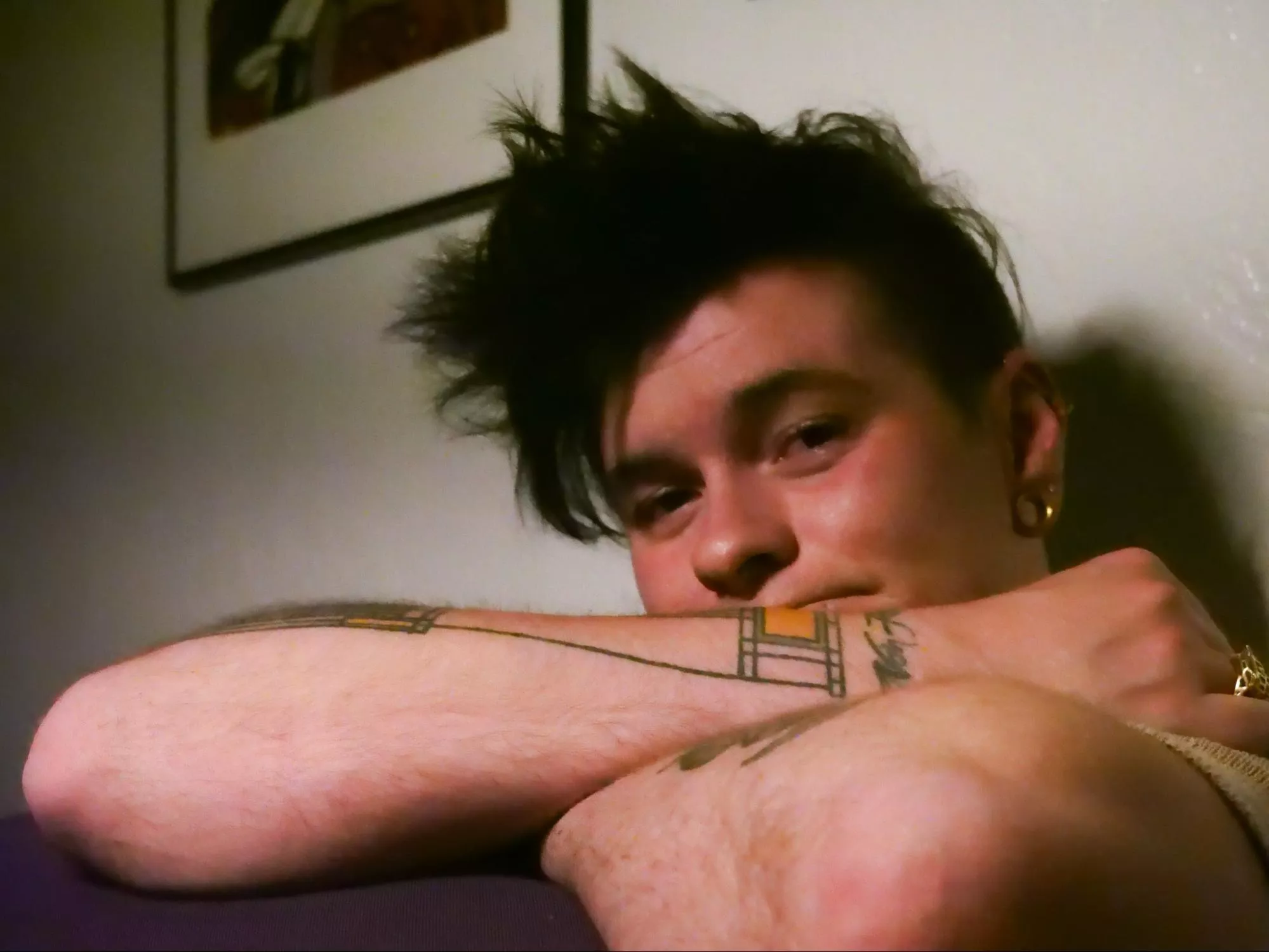
At his breaking point, Hanson felt compelled to check himself into Western Psych. A bad romantic relationship, low wages, and what he categorized as mistreatment from his bosses were all contributing factors. The job and the “hell of the queer dating world” were the final straws. Hanson needed help, so he went to the ER and was admitted to Western Psych, “Gucci loafers and all,” he says.
There in the Atrium unit, he met with therapists and psychiatrists and finally received the treatment and medication he needed. A normal voluntary stay at a psych ward is what’s called a 72-hour hold. The patient stays and is observed for at least 72 hours, but can voluntarily stay longer. Dustin stayed for more than two weeks.
It’s been over a year since Dustin was hospitalized. He found that the most important part of his recovery journey was starting the antidepressant Zoloft. “It has made me the best version of myself,” he says. “Me, medicated, has taken who I am to another level. The medication has put me in a place where I can open my eyes to new possibilities.”
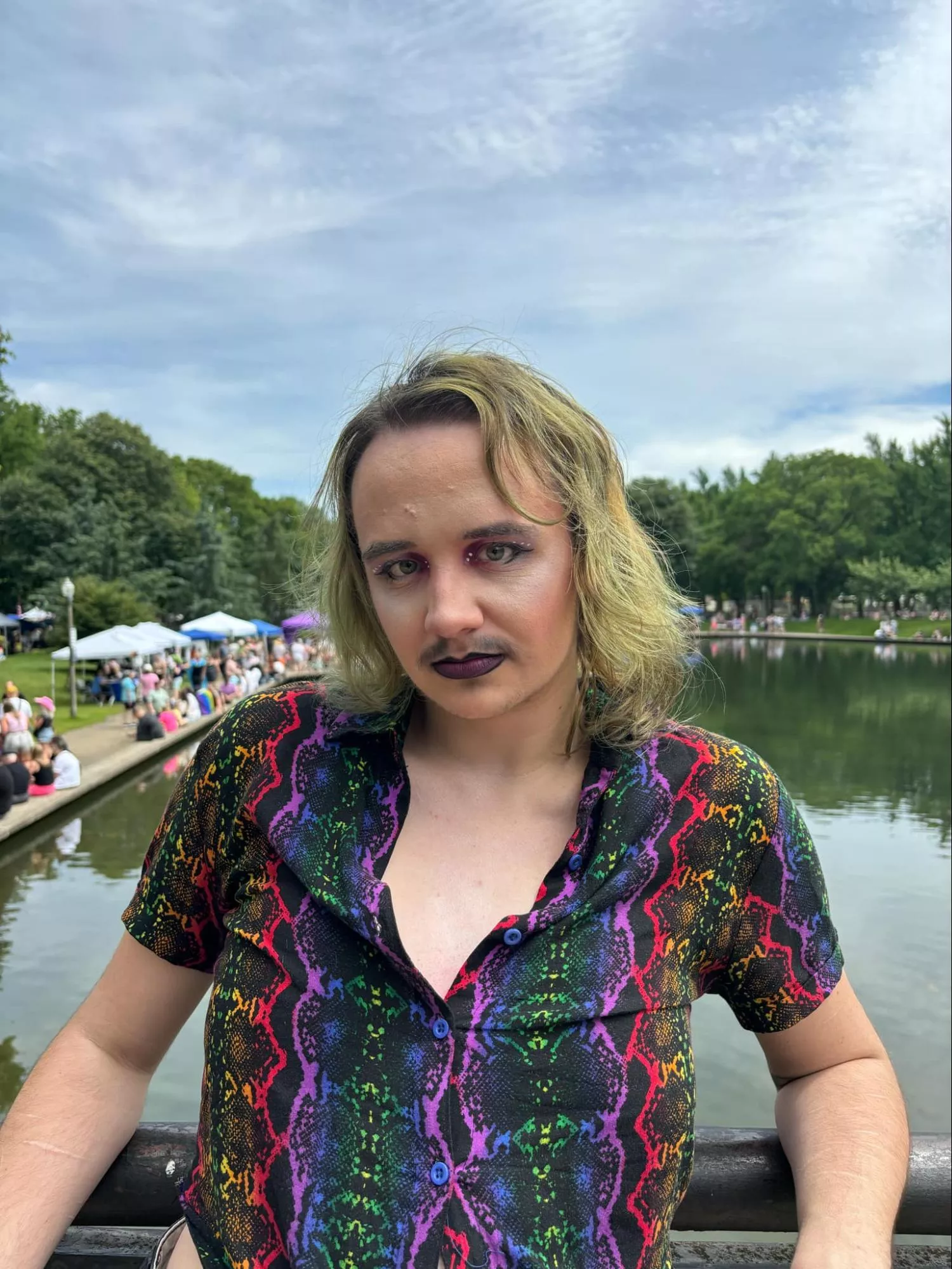
Rose Tempest is a 24-year-old drag performer, and his life is defined by economies of stimuli — the overwhelming surplus of sensory input or the comfort and control in scarcity of it.
“[My brain] feels like it’s trying to focus on 10 million things at once, even if there’s just 10 things in the room,” they tell City Paper. “Every slight movement, everything, is trying to … compute. [Compute] everything at once, in one millisecond, when it’s not made to do that. It’s like a million trains running at once all around you.”
Tempest says overstimulation feels like this because they have autism.
Controlling stimulus is something many autistic people do. When you provide your own, it’s called “stimming.” Tempest talks about good stimming and bad stimming: using a stim toy is good, comforting stimming, he says as he plays with a loop made of chains, running it through his fingers sort of like prayer beads. The classic example of a stim toy is a stress ball. That’s one everyone knows. But there are bad stims, they say, like pressing on your face, hitting or pinching yourself, chewing on clothes, or chewing on hair. Tempest tries to avoid these.
Even though the symptoms of autism are lifelong, it is medically characterized as a developmental disorder, something usually diagnosed in childhood. Temptest’s symptoms did present in childhood. The disorder affected his social skills and motor skills. Tying shoes and other milestones came later for them. “Everyone knew something was … not wrong, because there’s nothing wrong with me … but they viewed it as wrong.”
Tempest was diagnosed with autism at age 12. The diagnosis changed his life. He entered into specialized programs for autism and even got a one-on-one teacher for most of his school life. Family, friends, and teachers began to see them differently. “It helped them accept my quirks better,” he says. “Before the diagnosis, it was just ‘I’m doing this wrong’ and I’m the quote-unquote bad child. After the diagnosis, they realized these quirks were just a part of me.”
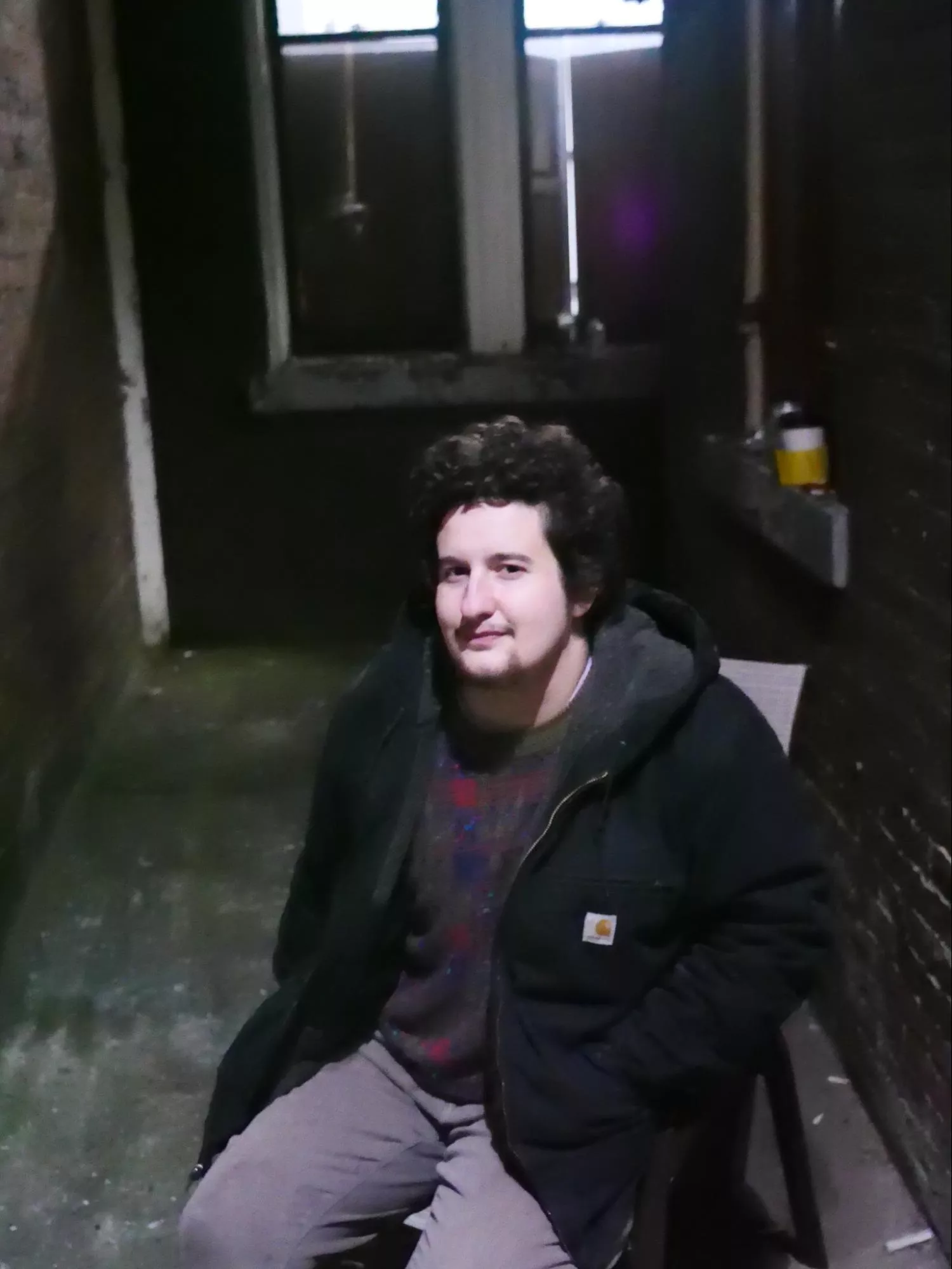
Xander Pelletier is a 27-year-old nonbinary trans person. They suffer from treatment resistant depression and substance abuse issues. Much of their life has been fraught with a laundry list of mental health symptoms stemming from these two main diagnoses.
It started in high school. “It got bad enough,” Pelletier tells CP, ”to where I was 14 and I cut myself for the first time. My mom found out and put me in therapy.” They describe cutting as a “controlled” pain. “In a really fucked up way, it did help. Because I felt pain on my body, so I didn’t have to focus on the depression pain.”
Pelletier didn’t get much out of therapy at that time because they didn’t come out as trans until they were about 16 years old. When they realized this, it didn’t exactly make life easier. Pelletier hated their body because they knew what they wanted it to look like, and they couldn’t make it look like that on their own. This led to dysmorphia and, eventually, an eating disorder. Pelletier says they were trying to get control of their body.
There was one highlight in high school, though. Pelletier volunteered in a queer theater program called Dreams of Hope. They and other queer students from all around Pittsburgh wrote and performed a play that was partly an autofiction of Pelletier’s personal history — a nonbinary kid struggling with their place in the world and trying to get their obstinate father to understand. The play had a happy ending, but it would be years before Pelletier’s father started gendering them correctly.
School wasn’t for Pelletier. They dropped out, got a GED, and started to transition.They began a life for themselves and started working, all the while still struggling with depression. They were on and off depression meds for a long time. When Pelletier was old enough to drink, they became a barfly. Soon after, self-medication became an issue.
Pelletier had a few hospitalizations for suicidal ideation and suicide attempts. They say that back then they considered suicide an inevitability. That was the only way it could end. It was a chemically imbalanced brain trying to make them give up.
Then about two years ago, they had their last hospitalization. After the advice of friends and family, Pelletier asked the hospital doctor about changing their meds and trying something different; The doctor put together a cocktail of meds that finally worked. They spent over a week in the hospital waiting to see if there was a change. Slowly but surely, there was, and Pelletier was discharged.
After leaving, they began attending an outpatient dual diagnosis group therapy for people with both a mental health diagnosis and substance abuse issues. This was the last piece of the puzzle: sobriety.
“I think I really couldn’t have gotten better,” Pelletier says,”until I stopped drinking. That hospitalization … a light switch flipped in my brain, like, ‘I have to stop drinking or I’m gonna end up dying.’”
Nowadays, Pelletier is doing well. They’re California sober and med compliant. They work as a chef at a fine dining restaurant in the Strip District and live with their partner. If they could talk to their younger self, they tell CP they’d say, “Drop out, get on your meds, and cut off your boobs.”
This article appears in Jun 11-17, 2025.