
Deprecated: mb_convert_encoding(): Handling HTML entities via mbstring is deprecated; use htmlspecialchars, htmlentities, or mb_encode_numericentity/mb_decode_numericentity instead in /var/www/html/wp-content/plugins/super-cool-ad-inserter/inc/scaip-shortcode-inserter.php on line 37
Transit ridership remains stubbornly low in Pittsburgh. With Pittsburgh Regional Transit’s Bus Line Redesign underway, it seems the next move may well be downsizing.
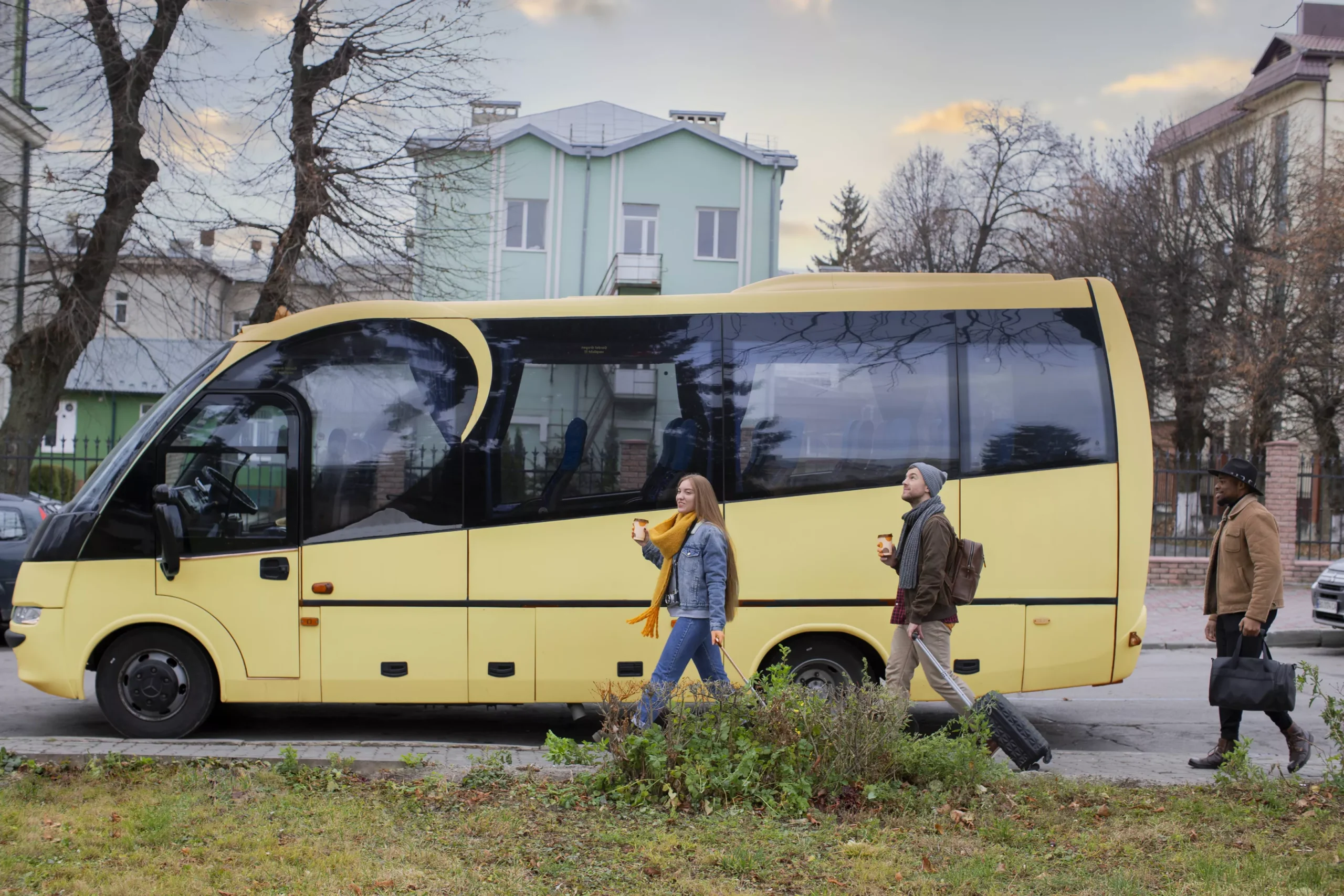
I’m here to say I support downsizing in our transit — not necessarily in the number of routes or the expansion of headways (i.e., time between stops), but in the size of vehicles themselves.
Few U.S. cities can match our steep hills, hairpin turns, and zany intersections. Also, let’s face it: Pittsburgh isn’t some huge metropolis, so it’s highly unlikely, barring a major shift in funding, that we’ll ever have a world-class light-rail system or 10-minute headways on every bus route. But we could make navigating the region easier and more efficient by getting PRT some midibuses.
This was one idea from Pittsburghers for Public Transit’s visionary transit member meeting last year that stuck with me the most (thanks, anonymous PPT member). Smaller buses would make navigating Pittsburgh’s tangle of narrow roads much easier. Deployed in a “circulator” model, smaller buses could orbit within neighborhoods, moving local residents quickly between nearby stops and back again. Other cities, including Barcelona, Rome, and Los Angeles already use smaller buses to navigate their narrow streets. Why not us?
PRT’s existing hub-and-spoke model makes sense for commuters who live in the suburbs and work Downtown. But for the region’s many seniors who don’t drive (and who often have to wait for ACCESS vehicles), a neighborhood circulator stopping at local shopping destinations might be more practical. This model would also benefit stay-at-home parents, people working from home, and students in neighborhood schools.
Rather than routing everyone through Downtown, an East End, South Side, West End, and North Side Circulator would follow a fixed loop within the city’s four loose quadrants. Midibuses would be able to navigate steep streets and parked cars with more ease while also having the right-of-way in busways and dedicated lanes, allowing them to bypass snarled sections of roads such as Liberty Ave. and Sawmill Run Blvd.
Circulator buses could be specifically routed to meet local needs, with stops installed at schools, grocery stores, libraries, pharmacies, and parks. These local loops would also take pressure off of tangled routes mainly connecting residents to Downtown — barring some ill-advised national return-to-office movement or an unexpected population explosion, ridership on these routes probably isn’t coming back.
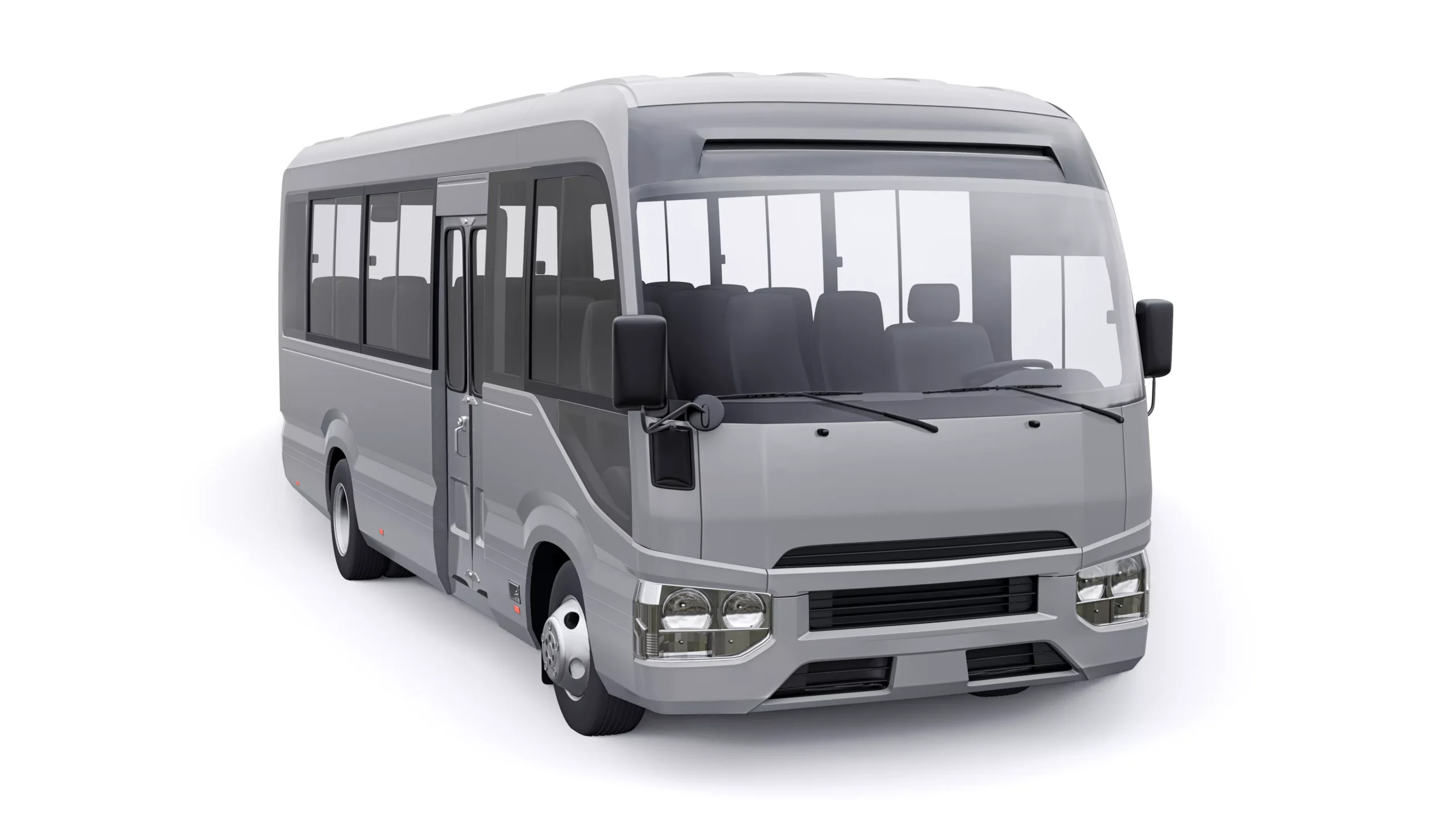
A midibus fleet would mean fewer trips with empty seats and fewer empty seats overall during off-peak hours. Meanwhile, they’d cut down on emissions. Electric midibuses with a 285-mile range were recently rolled out for public transit in Ayrshire, Scotland. Cutting fuel costs would offset the higher per-rider cost of employing drivers on smaller models of bus and cut down on diesel fumes emitted in residential neighborhoods.
Smaller buses would also have fewer issues with cars crowding out intersections. At many Pittsburgh intersections, cars stopped at a light have to back up or wiggle to the side to let buses make wide turns. An electric midibus would be able to negotiate a tighter turn without emitting a single gram of exhaust.
Regardless of how they’re deployed, smaller buses would be ideal for serving Pittsburgh’s outer neighborhoods. Take the South Side and Hilltop neighborhoods as one example. This area has a growing number of local businesses but comparatively low per capita income. It also has several narrow yet dense business corridors separated by parks, cemeteries, and steep hillsides. The T’s Blue and Silver lines run along the Route 51 corridor here, but the topography makes access a challenge in many spots.
Enter the South Hills Circulator. Looping from Brownsville Rd. to Boggs Ave. via the South Busway and Carson St., the circulator would be a boon for locals on Mt. Washington, in Carrick, and everywhere between.
Imagine hopping aboard on Brownsville. The circulator would pass near two Shop ’n Saves, two Rite Aids, two major parks, two Carnegie Libraries, and a bevy of food options. You could take the circulator to Fiori’s before hopping on the T for a Riverhounds game or use it for a reading and grocery run while flying past standstill traffic on 51. The circulator would come in especially handy when planned construction makes an easy ride on the T into an hour-long ordeal.
There are numerous other use cases for midibuses in the ’Burgh. Night buses for partiers (like the old UltraViolet loop), off-peak buses on regular lines and “flyer” routes, and nimbler shuttles to offset incline closures all come to mind. Regardless, what Pittsburgh needs isn’t a downsizing of transit, but a rightsizing of transit. To maintain existing headways and better serve local neighborhoods, midibuses would be a literal way to do that — just don’t call them “short.”
This article appears in Feb 12-18, 2025.