
Deprecated: mb_convert_encoding(): Handling HTML entities via mbstring is deprecated; use htmlspecialchars, htmlentities, or mb_encode_numericentity/mb_decode_numericentity instead in /var/www/html/wp-content/plugins/super-cool-ad-inserter/inc/scaip-shortcode-inserter.php on line 37
A new story in The Atlantic, “How Progressives Froze the American Dream,” is a great distillation of the many contradictions and unintended consequences that bedevil housing in the United States. I don’t actually buy the central thesis — that a lack of mobility is the main problem damaging “the American Dream.” And blaming it on urbanist prime mover Jane Jacobs would be pure clickbait contrarianism, if more people knew who Jane Jacobs was. That said, the argument hits on so many other interesting points that it’s a pretty essential read anyway.
One point that is going to gnaw at my brain for a while is that zoning laws — mandating strict separation of housing from retail, offices, etc. — were born as a work-around to benefit the racist status quo, to keep laundries (and their Chinese immigrant workers) segregated away from existing homeowners. The article goes on to excoriate zoning laws as one of the things stifling the housing market from growing, and freezing Americans in place.
From my limited viewpoint here in Pittsburgh, a lot of zoning laws have always seemed to me like just another tool for the idle rich to oppose new housing and make sure their own property values keep climbing ever higher (and who amongst we working folk has the time to hijack a zoning board meeting?).
So, yeah, I think zoning laws are mostly bad and easily weaponized to maintain the status quo, and keep newcomers (transplants, immigrants, young people) out. However, I can easily see the exceptions; historic preservation is good, and because most pre-war homes are built to last and come in more useful sizes and combinations than most of what we build today. Plus, some things, like heavy industry, probably don’t belong in the middle of Main Street U.S.A.
There’s another theme here that I’m less concerned about than the author — because it ultimately benefits Pittsburgh. It observes that the most economically vibrant places are the one that make it hardest to build — California, “progressive” coastal cities in general — so people are forced to move to less-vibrant places that they can afford. This makes them less productive than they would be otherwise.
I mean, Pittsburgh is just sitting here, folks. We’ve got cheap little houses and empty lots galore. We have been vibrant before and could be again. Problem solved.
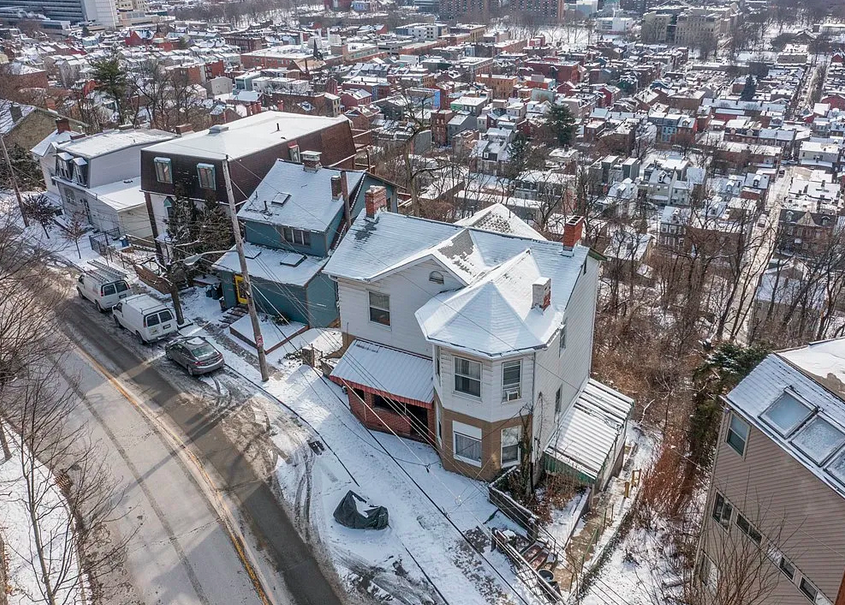
For sale: 1773 Perrysville Ave., Central North Side, $299,000.
I love a house with a view, and probably overrate its importance to a significant degree. But I’ve also seen homeowners use the “It will block my view!” argument to torpedo much-needed new housing, which is pretty silly. This cliff dwelling on the North Side should at least enable you to see trouble coming well in advance. Surveying your icy empire swathed in a blanket of sparkling white snow sounds pretty nice.
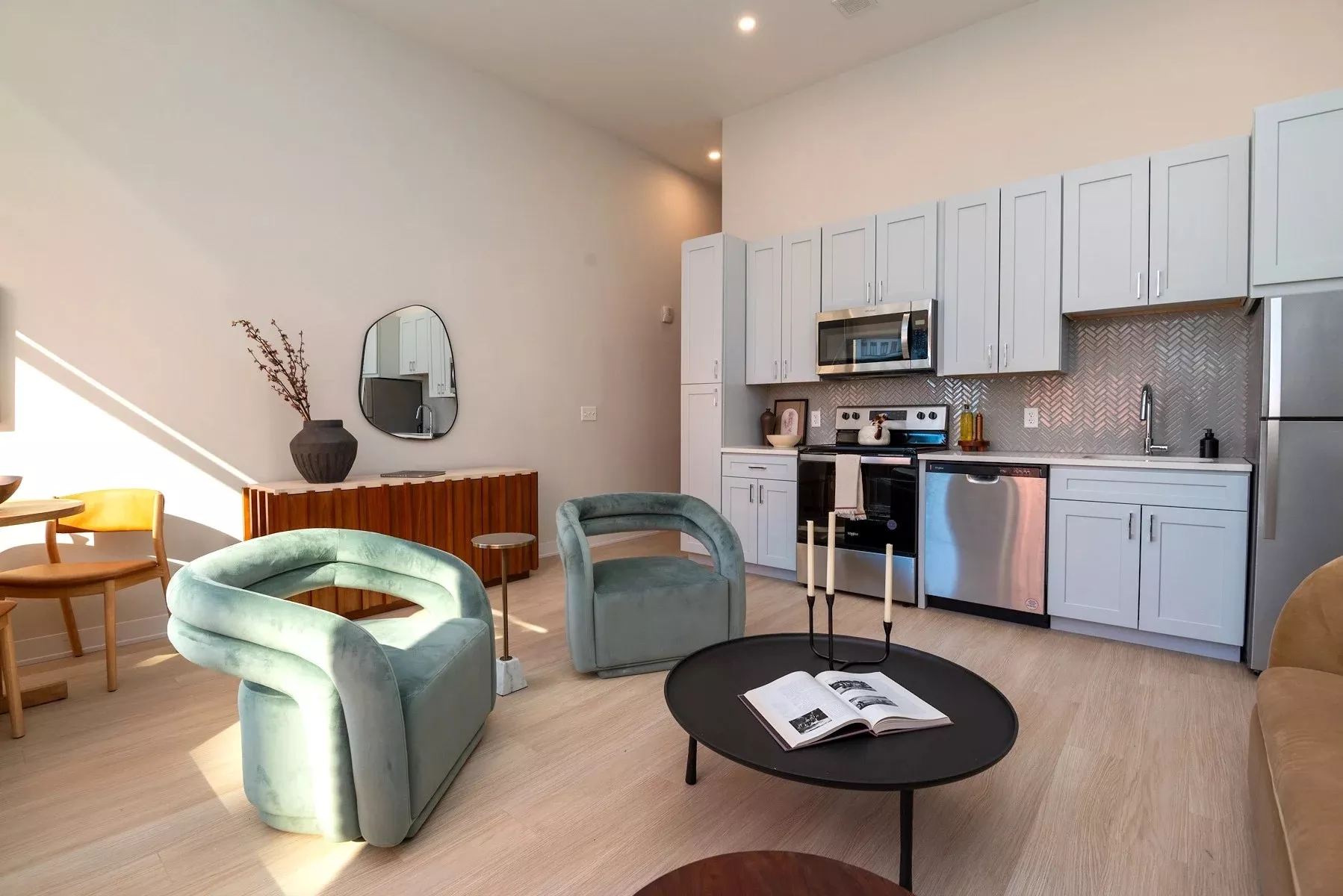
For rent: LiveWell Apartments, 600 Sixth St., Downtown. $1,498-1,955/month.
Here’s my contrarian take on Pittsburgh housing: Downtown is good, actually. This isn’t because I don’t believe its myriad, well-documented problems aren’t real — but because they are real, and people apparently want to live there anyway. I don’t have easy answers for homelessness or work-from-home clobbering commercial real estate, but having more people living in apartments Downtown would surely bring some of the old vibrancy back. This building is a big step in the right direction — a beautiful early Beaux Arts terra cotta-clad skyscraper, designed by the great Daniel Burnham, has given up its function as GNC headquarters for a new role as 250 apartments. More of this, please!
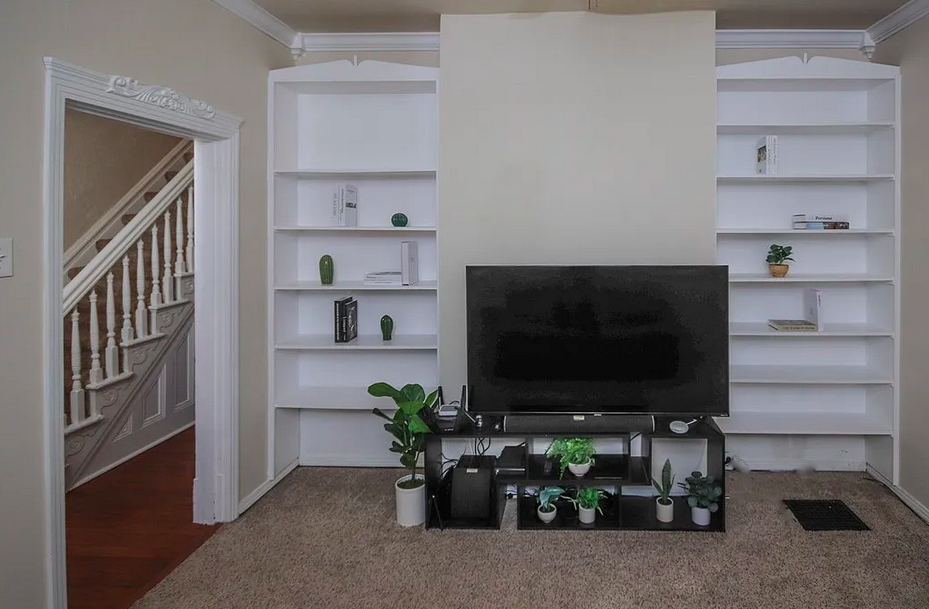
For sale: 4003 Coleman St., Greenfield, $219,900.
Not to get anyone’s hopes up too much, but the sheer amount of price cuts in recent months (including $10,000 knocked off the top here) is starting to add up. Sure, that probably portends ill omens for the economy at large, but hey, housing prices usually only move in the other direction, so take advantage while it lasts. Greenfield is a great neighborhood, so this price-dropping phenomenon isn’t limited to the least attractive corners of the county, either.
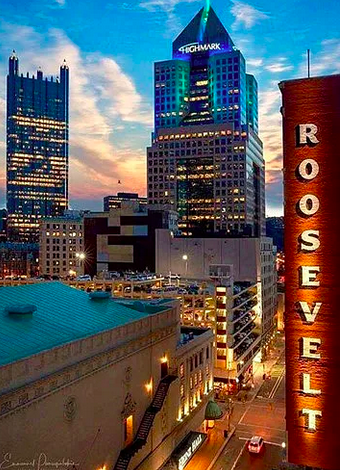
For rent: The Roosevelt Building, 609 Penn Ave., Downtown, $1,400/month.
Building housing in Downtown Pittsburgh isn’t easy, or something that can be done cheaply. But that doesn’t mean it’s impossible, or that the previous paradigm of million-dollar condos and subsidized housing and nothing in between is still in effect. There’s this housing adaptation of the Roosevelt Hotel, built in 1927, for instance. This isn’t the spooky ghost town of “First Side” either; the Roosevelt is right in the heart of the Cultural District. You can walk downstairs, out the door, and be at a world-class symphony or off-Broadway production, or big-league ballgame (or, well, the Pirates) in minutes. It’s not Manhattan, but the same $1,400 there will barely get you a seat on the subway, let alone a place like this.
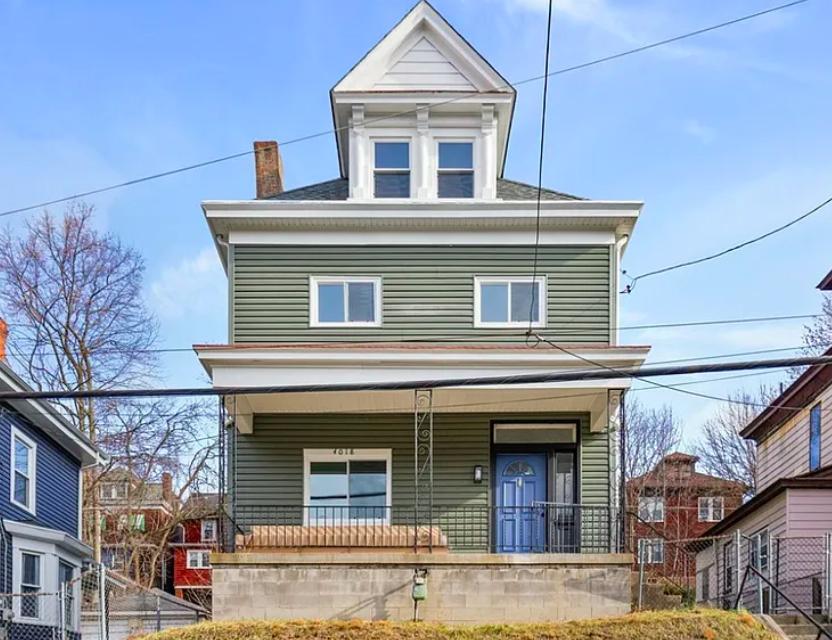
For sale: 4018 Oswald St., Brighton Heights, $299,900.
If you were going to fly in an airplane, would you choose today’s model over the version made in 1906? Of course! The Wright Bros. had only figured out flight three years before, and planes were basically giant kites with lawnmower engines. So how did we build houses in 1906 that are equal to — and frequently better — than the stuff we build today? (I have no idea). Sure, this particular 1906 house has some olive-green siding and weird little windows that didn’t come with the original, and were not improvements. But this house is going to be here standing strong, even when every 1970s ranch house has crumbled to dust.
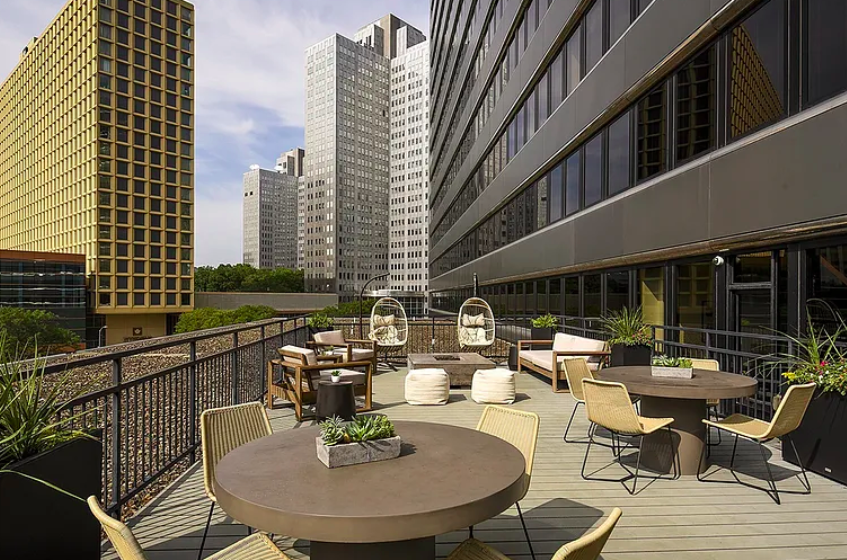
For rent: Apartments at River View, 300 Liberty Ave., Downtown, $1,399/month.
This adaptation of an obsolete mid-century office building has units that range from the reasonable ($1,400) to the preposterous ($6,000), which is basically … fine? Neighborhoods that can appeal to renters at different price points and stages of life tend to be lively and interesting, and the sheer range of options in this building alone is pretty remarkable. Perhaps it’s a function of retrofitting a building that was designed for something else: some units are going to be spacious and others will be small and oddly shaped.
This article appears in Feb 19-25, 2025.