
Deprecated: mb_convert_encoding(): Handling HTML entities via mbstring is deprecated; use htmlspecialchars, htmlentities, or mb_encode_numericentity/mb_decode_numericentity instead in /var/www/html/wp-content/plugins/super-cool-ad-inserter/inc/scaip-shortcode-inserter.php on line 37
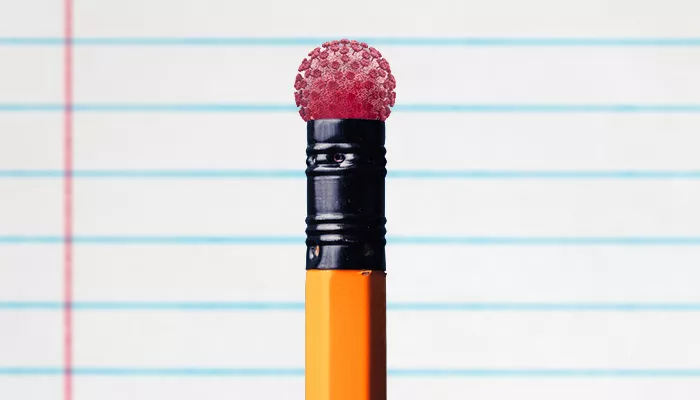
Every important historical event inevitably changes how writers view the world.
Stephen Crane’s The Red Badge of Courage and Mark Twain’s The Adventures of Huckleberry Finn were created in the aftermath of the Civil War. Irwin Shaw’s The Young Lions, Catch-22 by Joseph Heller, and The Naked and the Dead by Norman Mailer reflected life in the post-World War II era. And the 9/11 attacks inspired novels including Joseph O’Neill’s Netherland, Extremely Loud and Incredibly Close by Jonathan Safran Foer, and Claire Messud’s The Emperor’s Children, among others.
The coronavirus pandemic will certainly impact how writers tell stories, so Pittsburgh City Paper talked to local writers (and one musician who is an author) about the pandemic and its effect on their work.
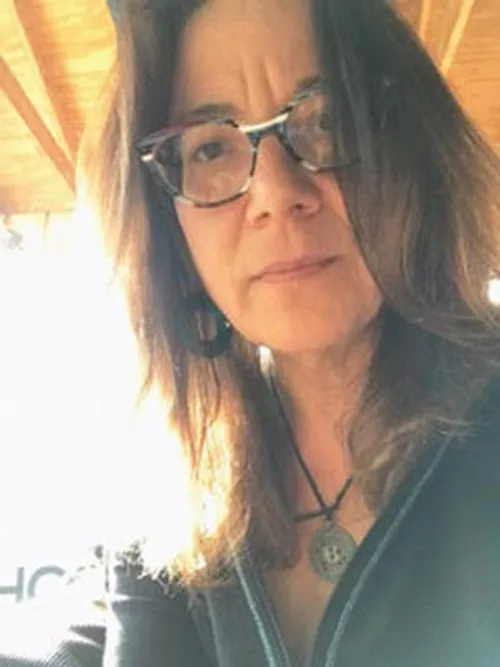
Leslie Mcilroy
Poet and author of the poetry collection Slag
Mcilroy recently published a poem called “Zoosk/The Pandemic” on Vox Populi. “I just read Frank O’Hara’s Meditations in an Emergency, and it’s a mixture of dread and joy that people can be so insightful and really say what you’ve been trying to say. Certain good writers can produce a certain amount of ominous dread. It’s a reality. To me, [writing] feels in some ways more real than what’s going on. Have I seen a dead body yet? No, but I know it’s happening, and writing somehow reaches in and takes you there. It’s scary, but it’s really poignant.”
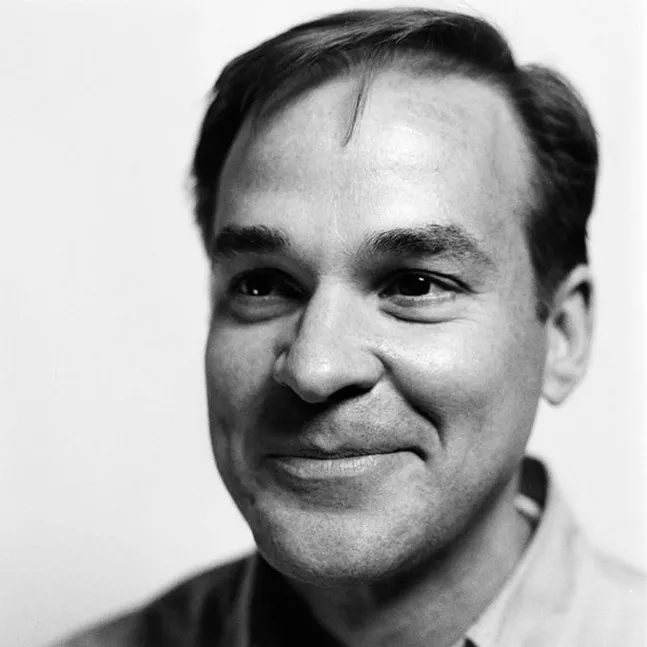
Jim Rugg
Comic book artist, bookmaker, illustrator, designer, and co-author of The Plain Janes
Rugg thinks some of the first artistic responses to the coronavirus pandemic came through advertising. “I love TV commercials for that reason. I think they are a very accurate snapshot of the time period. We’re going to see more and more of it. I’ve seen a lot of people recommend movies and books that have dealt with this topic in the past, almost like science fiction. And there are horror stories. If you’re in a household with an abusive person, you can instantly imagine the nightmares. … I think all of these things will seep into the stories around us. And honestly, I think the journalistic part of this will be interesting. I expect journalists to dig into this for the rest of my life.”
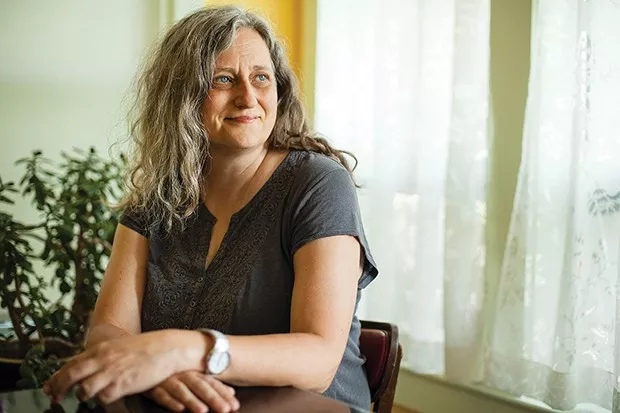
Sherrie Flick
Writer, editor, and author the flash fiction collections Thank Your Lucky Stars and Whiskey, Etc.
“I’ve always been really interested in the craft element of setting. I think I can process the atmosphere right now, and it’s interesting because it’s really empty. From where I live on the South Side Slopes, I can look at the Birmingham Bridge and during rush hour and it’s empty. That’s interesting to me, and because I’ve spent so much time thinking about setting, I am kind of logging all of that right away. But in a non-fiction kind of way, where I need to write about the conceptual stuff that’s happening, I need space to do that.”
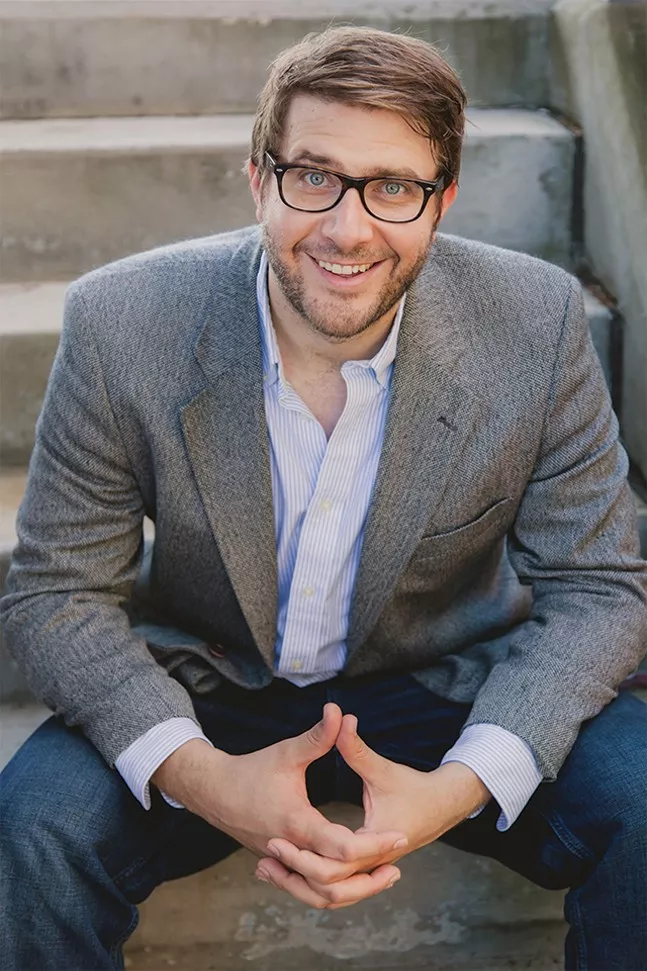
Jonathan Auxier
Children’s and young adult writer, author of Sweep: The Story of a Girl and Her Monster and Sophie Quire and the Last Storyguard
“I see a lot of people, public and semi-public, doing amazing things and producing a lot of content that parents like myself are really grateful to have. But I also know a lot of people are doing everything they can to keep the wheels on and keep their home functioning and cover mounting costs. I think with all the talk, we’ve kind of fetishized the productivity bump this time can produce. But that’s not really the function of this time.
“If some people get to do that, that’s amazing. I’m so happy Shakespeare wrote King Lear during the plague, and I’m glad we have King Lear now. But for people who are unable to write, they should know they’re not alone. I know a lot of authors who have not been able to produce anything since this all began, and that makes sense because we’re all overwhelmed, and I hope we can be gentle with ourselves.”
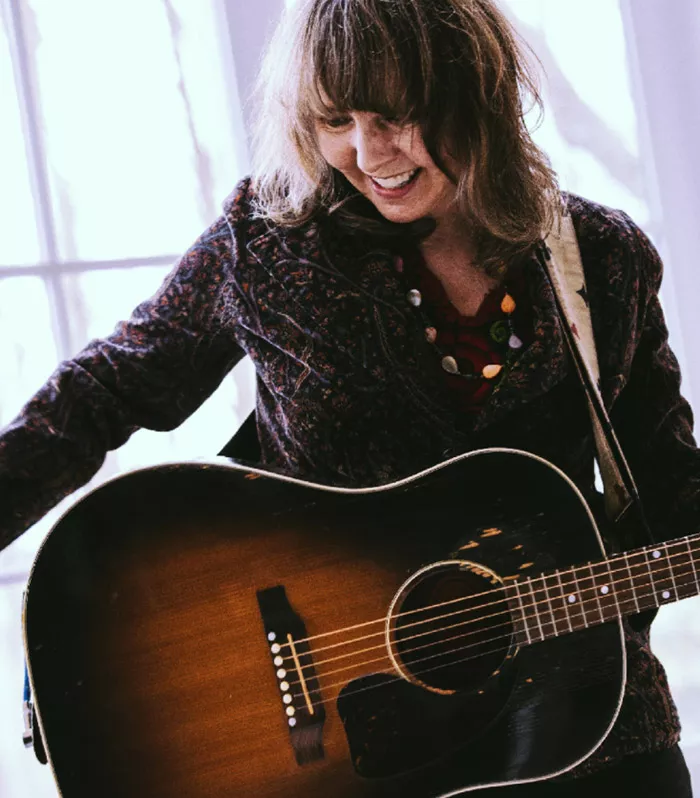
Amy Rigby
Mt. Lebanon native, musician, and author of the memoir Girl to City and the blog Diary of Amy Rigby
“It’s really kind of hard to write about anything to do with this. … I have written a song related to the whole thing and started recording it, and that was more like pushing myself to do it. To just kind of seize on some image or idea that’s directly related to the coronavirus and write something about it. It’s more of an immediate thing. I don’t know if it’s a great song, but it kind of felt good to that.”
This article appears in May 27 – Jun 2, 2020.