
Deprecated: mb_convert_encoding(): Handling HTML entities via mbstring is deprecated; use htmlspecialchars, htmlentities, or mb_encode_numericentity/mb_decode_numericentity instead in /var/www/html/wp-content/plugins/super-cool-ad-inserter/inc/scaip-shortcode-inserter.php on line 37
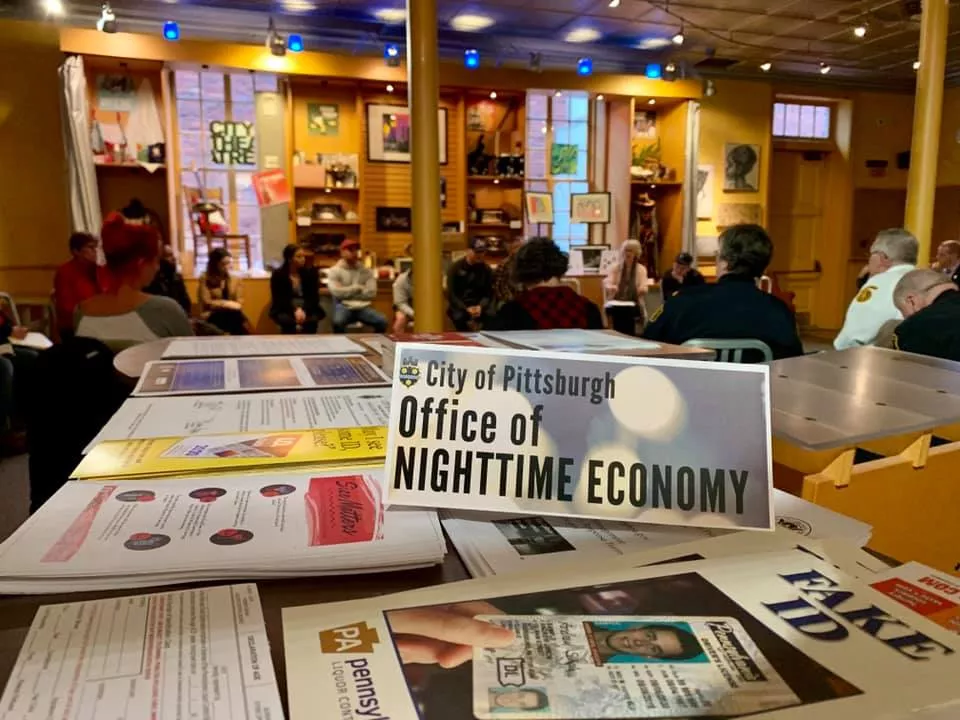
A typical workweek at Pittsburgh’s Office of Nighttime Economy (ONE) spans both night and day. Though the city-run office is a two-person operation within the 9-to-5-dominated City-County Building, they manage to cover a lot of ground — bouncing from a Strip District town hall, to a city-wide public safety forum, to a meeting with a neighborhood bar association, to an event for the Pittsburgh 2050 Comprehensive Plan.
“There’s only two of us, so you [just] dive into something,” nighttime economy coordinator Bret Kunash tells Pittsburgh City Paper. Back at the office, a disco ball shaped like a crescent moon hangs from the door, glimmering above a sidewalk-style sign with moveable letters that reads “LIFE 1S B3TT3R @ NiGHT!” A ONE flyer highlights Pittsburgh’s nighttime events: full moon hikes, Art All Night, GLOWLAND in Oakland, and the Pittsburgh International Jazz Festival.
“We have an interesting vantage point,” nighttime economy manager Allison Harnden tells Pittsburgh City Paper. “By having that broader picture, you understand how everything is connected. Every [meeting], I could go to the next one and say there was something that connected them.”
Harnden and Pittsburgh’s Office of Nighttime Economy represent one of about 20 “nighttime manager” positions in the country. Mostly based in larger metros, such as San Francisco, Austin, and New York City, nighttime economy managers are even rarer among mid-sized cities like Pittsburgh.
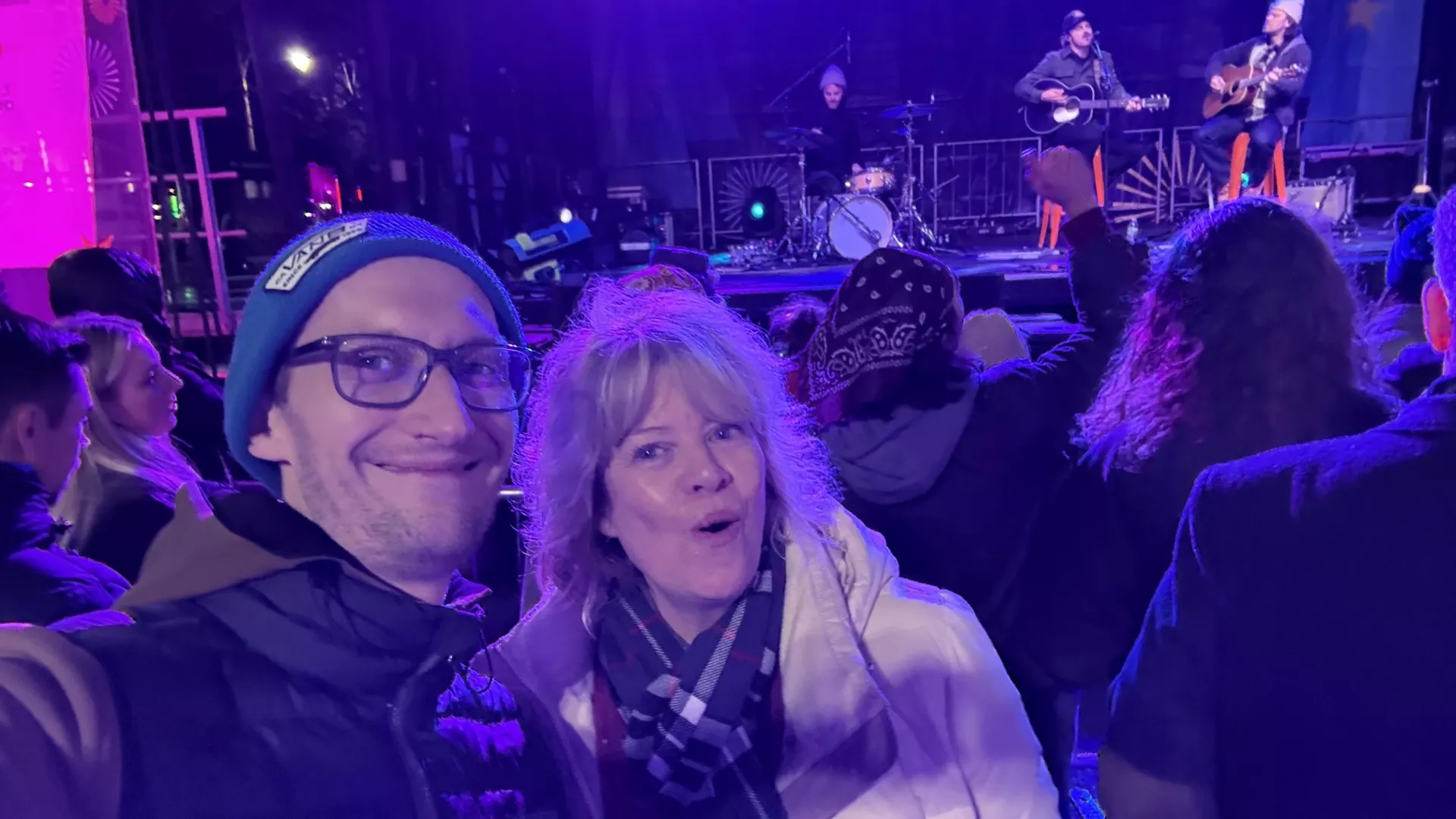
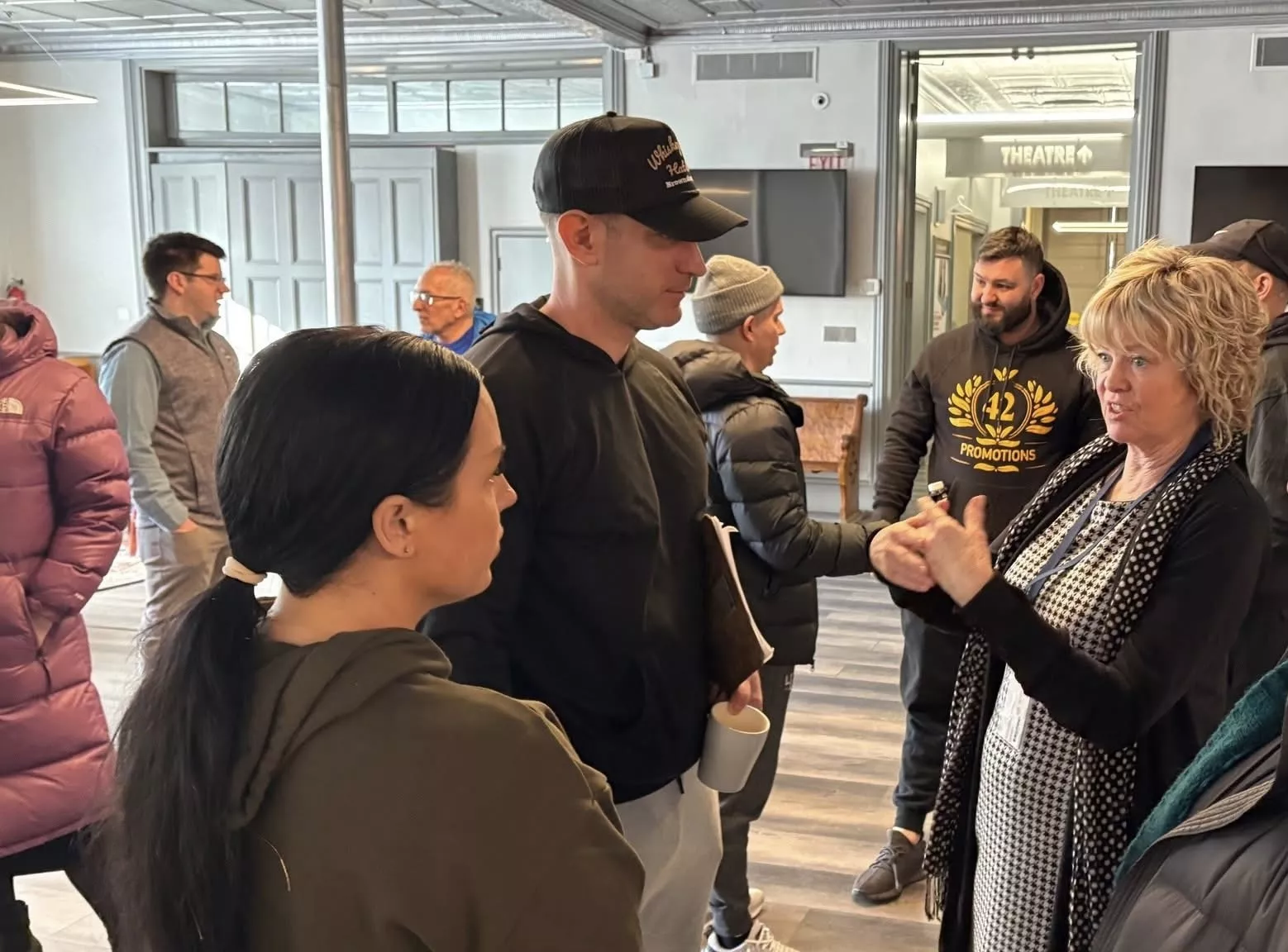
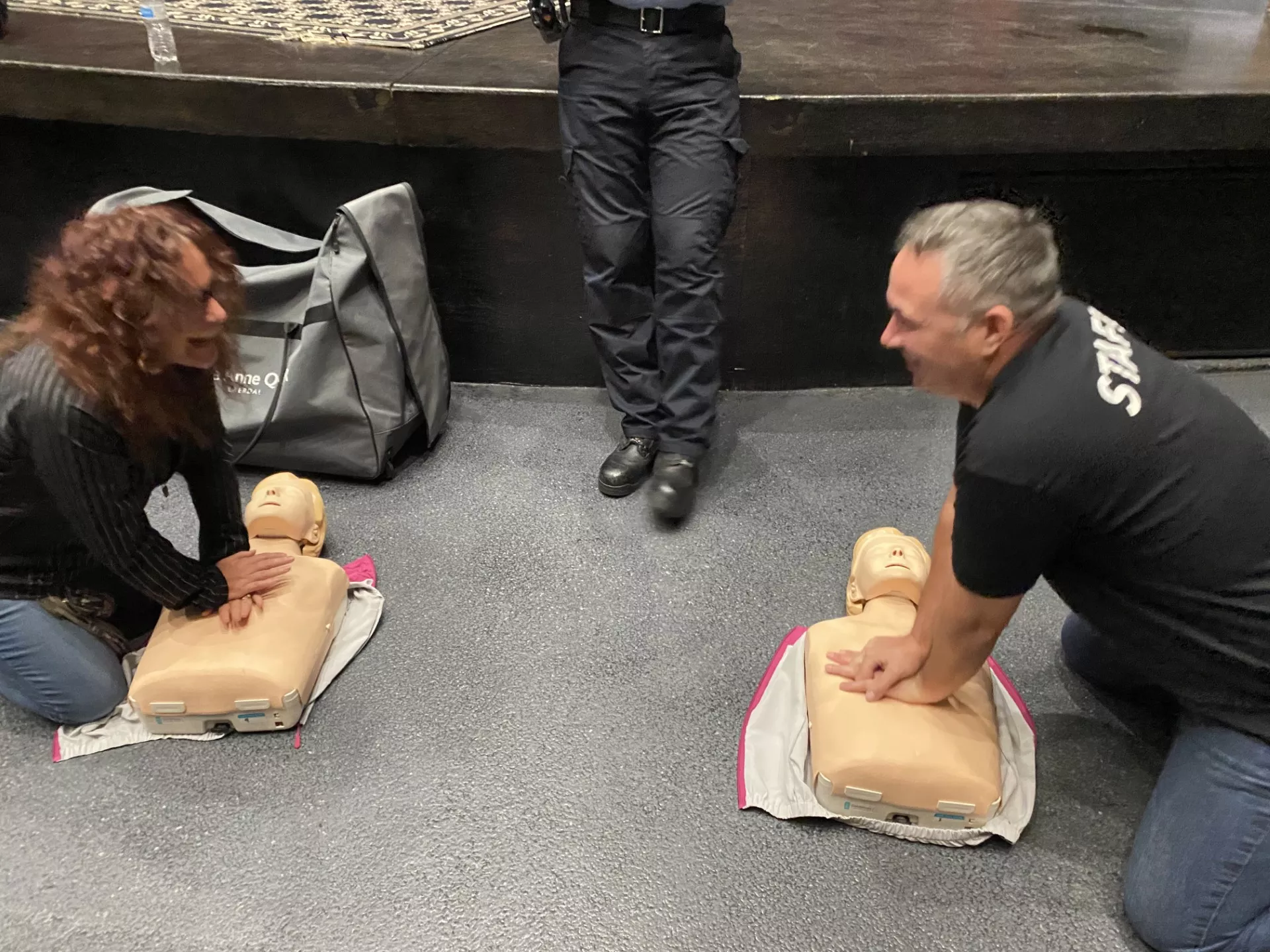
With a mission to support the city’s “social and nighttime economy” while still co-existing with residents, Harnden describes her role as a “connector and interpreter,” linking Pittsburgh’s hospitality and nightlife businesses, community members and groups, and city government. The office also serves as a wide-ranging resource hub for navigating city code, ordinances, and all things related to nighttime operations, encompassing outdoor dining permits, food truck regulations, loading zone restrictions, mobility-related concerns, and even the city’s plastic bag ban. They offer CPR, Heimlich, and Narcan trainings (called Night Industries Training and Education or NITE School), and email a quarterly newsletter with updates and industry trends.
Though it often appears they’re “in the weeds,” as Harnden puts it, ONE is part of a vanguard in city planning, a response to a new wave of re-urbanization. Based on a larger vision of a “sociable city,” the office aims to expand Pittsburgh’s idea of what nightlife is, while also recognizing it as a “vital” economic segment that generates millions in city revenue and employs some 60,000 regional workers.
When most people think of city nightlife, Harnden explains, they think of nightclubs (of which Pittsburgh once had many and which residents love to reminisce about). Nightlife, loosely defined as occurring after 10 p.m., is also often negatively associated with noise and trash — perpetually Pittsburgh 311’s most common complaints — and disruption, vice, and crime.
ONE was first conceived in 2014 by former Mayor Bill Peduto as a single full-time “night-time economy manager” position. Planned in conjunction with then-City Council President Bruce Kraus, who represented the South Side, the initial idea was to address residents’ concerns about public safety and intoxication while also preserving the bars, restaurants, and entertainment venues that had become essential to revitalizing Pittsburgh neighborhoods (ONE still operates under the city’s Department of Public Safety).
“It’s about understanding the economic engine that nightlife is,” Kraus told CP in 2016. “I have a fiduciary responsibility to protect those revenue streams.”
Harnden came aboard as nighttime economy manager in 2015. She was first tasked with rolling out a parking-enhancement district in the South Side, which extended meter collection time from 6 p.m. to midnight. The additional revenue of nearly $2 million went toward addressing more frequent trash pickup, increased police presence, added security cameras, and even portable toilets for St. Patrick’s Day.
“There was this perception that South Side was the only game in town,” Harnden says of when she first started. “It was sort of like, oh, nighttime economy, who are they? They’re over there. We don’t have anything to do with them. We work in so many ways with so many different departments and offices now … that’s changed so much.”
The nighttime manager position also spun out of Pittsburgh’s Sociable City Plan, released in Dec. 2012 after a three-year study by the nonprofit Responsible Hospitality Institute (for which Harnden previously consulted). Founded in 1983, RHI helped popularize the concept of a “sociable city,” which claims urbanization has dramatically changed social interaction and requires city planning and resources to make a round-the-clock economy inclusive, vibrant, safe, and viable.
The sociable city concept comes with its own glossary of terms (also called buzzwords when the Pittsburgh office was first created) like “hospitality zone,” which refers broadly to an area with a cluster of venues for socializing. In 2012, the Pittsburgh plan looked at the South Side, Downtown, Lawrenceville, and Oakland, which it identified as the most mature district, while Downtown was still “emerging.”
“Think ‘bar’ and ‘entertainment district’ sum up ‘nightlife’? Think again!” reads the RHI website.
RHI also hosts an annual Sociable City Summit, where Harnden is a regular presenter. When Kunash was hired in 2023, he got a “crash course” at the summit. For the former promotions manager, who ran concert venues like Club Cafe, it provided an entirely new framework for viewing nightlife.
“The logic of managing an economy, highlighting the assets, cultivating a community, giving resources to workers that are doing the same jobs that people are doing in the daytime … it was a huge difference,” he tells CP.
“When you say nightlife, it limits your audience and who you’re talking to,” Harnden stresses. “‘Life at night’ is a different term, in terms of people operating on different schedules.”
Many people “work, play, and live their lives outside of a 9-to-5 schedule,” Pittsburgh’s Office of Nighttime Economy website states, citing industries including healthcare, shipping, transit and the airport, janitorial services, security, and hospitality and hotels, which Harnden calls “24-hour cities.”
Nighttime workers, especially night-shift workers of color, generally earn lower wages and face challenges with less access to transportation.
“It’s an equity issue,” says Harnden. Of the recently proposed service cuts to Pittsburgh Regional Transit, she wrote to CP, “Time of day is a form of equity, and night customers and night workers deserve the same options available to daytime workers and customers.”
But the biggest disruption to sociability and nightlife, and virtually all consumer behavior, says ONE, was the pandemic.
Dr. Elizabeth Currid-Halkett, an urban and regional planning and public policy professor at the University of Southern California, says, “We cannot underestimate the seismic shifts that the pandemic brought into our lives. It altered how we socialize, how we think about socializing.”
Currid-Halkett, who lived in Pittsburgh and studies how cultural amenities drive economic development, says there are two dueling trends: newly appreciating our social lives while also using the technologies that allowed us to stay home.
While warehouse-style nightclubs are unlikely to return soon, restaurants and Pittsburgh’s food culture remain a key part of nightlife and entertainment.
“Public space has become increasingly important. People really like the experience of the outdoors,” Currid-Halkett says, naming another unconventional nightlife space. “It very much lines up with how people feel about quality of life and wellness, and all those things.”
Harnden says this mirrors what they’ve seen since 2020.
“We learned from the pandemic the importance of social connection … I think people are waxing nostalgic about what they used to be like, what their lives used to be like,” she says. “If they ask themselves, ‘Would you really go out in nightlife now like you used to? ‘I think a lot of people would say no, and it’s just the changes in our culture since COVID.”
That said, the overall goal of increasing the city’s sociability remains unchanged. Harnden cites a U.S. Surgeon General’s report warning of an epidemic of loneliness and isolation. ONE launched a Socializing Survey in response and to answer “the call to mend the social fabric of our City.”
The survey aims to better understand the city’s socializing across all neighborhoods and age groups, particularly older Pittsburghers at “non-traditional nightlife ages,” Harnden says, and to identify barriers to social connection.
“To me, nightlife has always been about self-expression and creatives and subcultures,” Harnden says. “People think they want nightlife, but they only want their kind of nightlife. We need to have something for everyone. And that’s a hard thing to do.”
Visiting the Office of Nighttime Economy, it’s difficult not to give them my own Pittsburgh wishlist. Will we ever see another 24-hour coffee shop? What about a riverboat casino?
Their resources are available, Harnden and Kunash say.
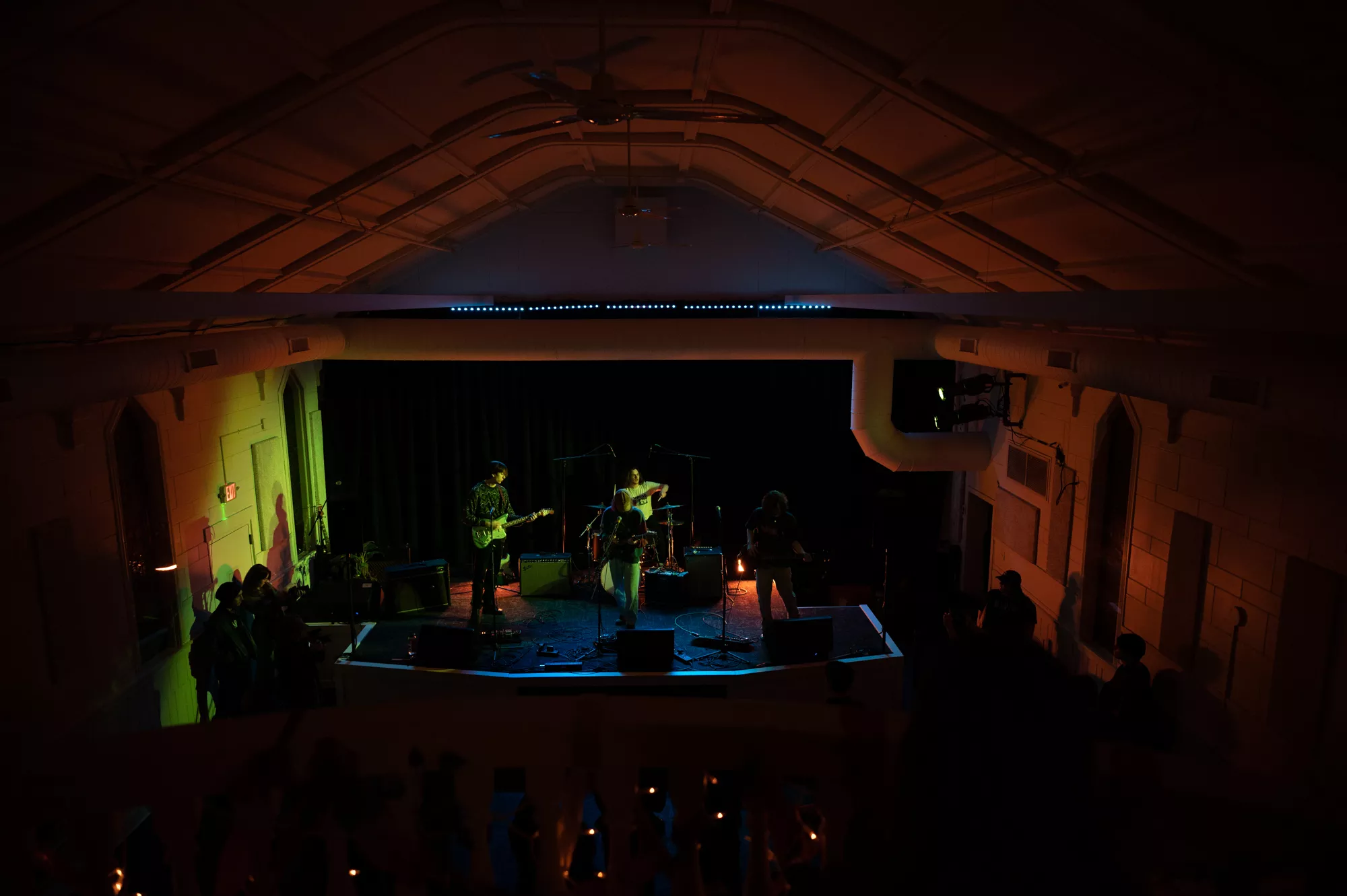
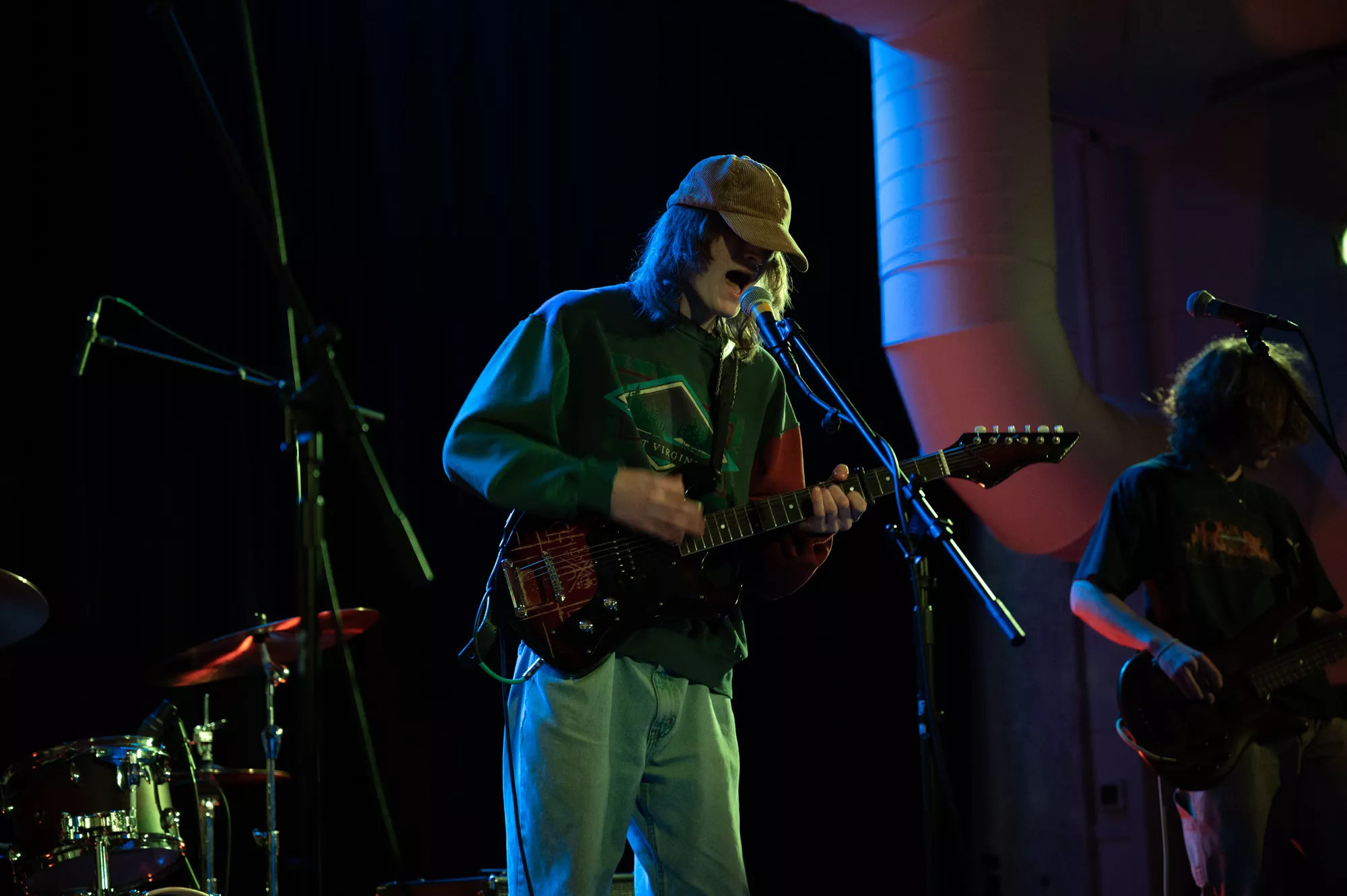
For those despairing about the loss of more traditional nightlife, Kunash says one of his proudest achievements was helping students launch Haven, an all-ages independent music venue in Oakland. The idea grew out of discussions with students at a monthly meeting with the Oakland Planning and Development Corporation. Kunash, who grew up in Green Tree and the South Hills, remembers Oakland’s vibrant music scene in the 2000s, and seeing punk shows at Club Laga as a teenager.
Haven wrote on its website that the venue’s opening “brings an end to the two-decade long absence of permanent music venues in Oakland,” once again providing “a home (or haven) for musicians, artists, and audiences.”
Kunash is also optimistic about the area around Station Square with the Riverhounds, Riveters, and Thunderbirds all playing at Highmark Stadium and an expansion in the works. ONE is also working with businesses on the 2026 NFL draft in Pittsburgh and prepping for Pride Month.
“The main focus right now: I really just want more people to know that socializing is good for you,” says Harnden.
Editor’s note: We’ve updated a sentence above on Highmark Stadium to better reflect all three teams that play there.
This article appears in May 14-20, 2025.