
Deprecated: mb_convert_encoding(): Handling HTML entities via mbstring is deprecated; use htmlspecialchars, htmlentities, or mb_encode_numericentity/mb_decode_numericentity instead in /var/www/html/wp-content/plugins/super-cool-ad-inserter/inc/scaip-shortcode-inserter.php on line 37
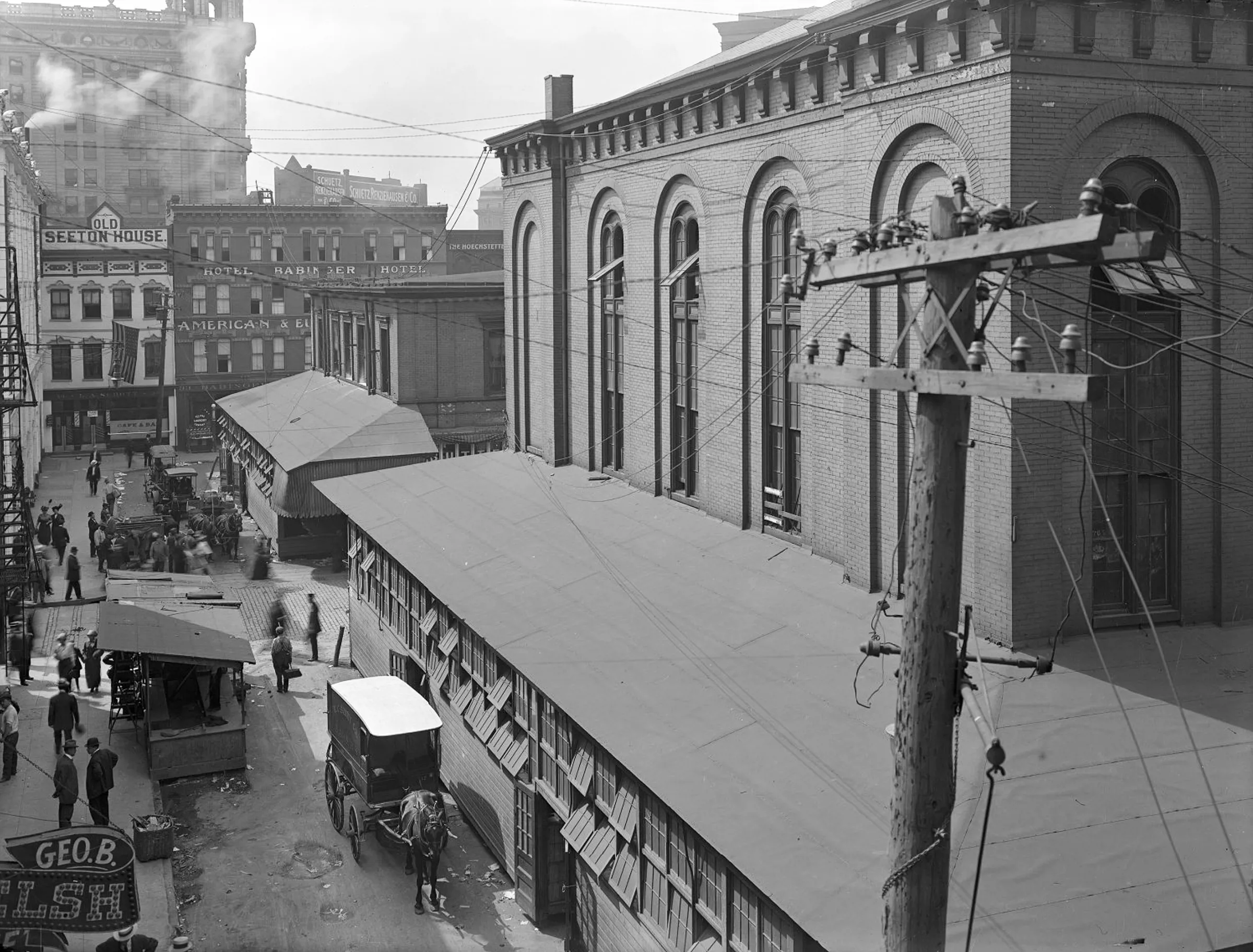
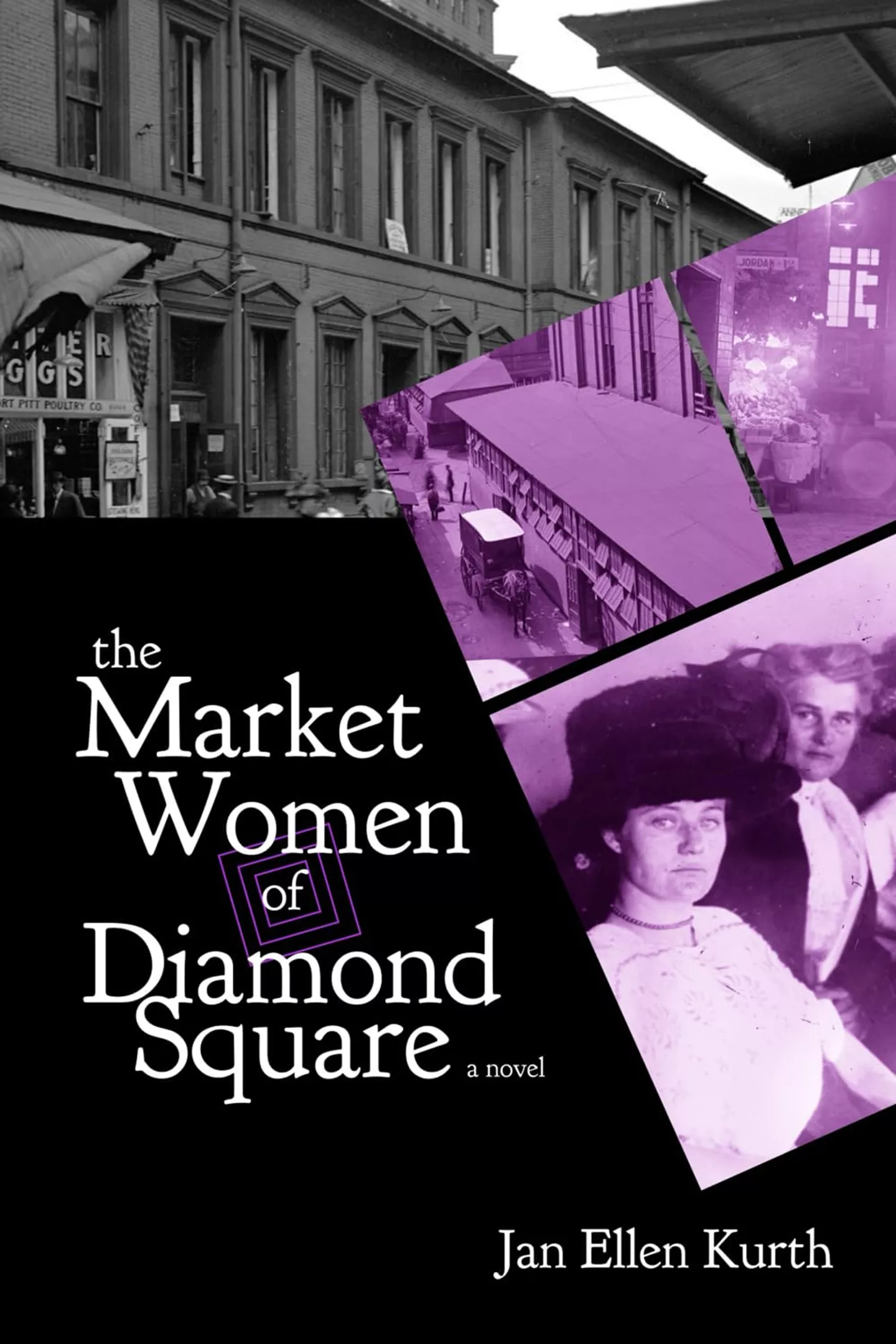
The Market Women of Diamond Square is Pittsburgh writer Jan Ellen Kurth’s tale of feminism, displacement, and misogyny set in Downtown Pittsburgh. In the book, Kurth taps into events that played out more than 100 years ago and themes recognizable to many 21st century yinzers.
The Market Women unfolds in 1914 and follows the story of Katie, the daughter of a defrocked smalltown pastor turned merchant in the Youghiogheny River town of Greenock. Katie’s ticket out of town is the fruit stall she buys in Pittsburgh’s Diamond Market.
Kurth creates fictional characters and events that weave seamlessly through real life events and people. The now-local author is a former urban planner turned journalist from Kansas City, Mo., by way of upstate New York. She and her wife Ann Belser own Print, an East End monthly newspaper. The Market Women is her second novel.
The market women in Kurth’s novel navigate a pre-Prohibition Pittsburgh dominated by corrupt politicians and moral-minded progressives. Katie’s fictional story plays out against a backdrop of historical events that include a crackdown on saloons serving women without male escorts — a real thing that could land a woman in jail and saloonkeepers stripped of their liquor licenses.
Katie quickly sheds her smalltown naivete about life in the big city as she learns to negotiate for produce with dealers who profit from taking advantage of women they perceive as incapable of standing up for themselves. Through the other market women, Katie is introduced to downtown department stores, streetcars, and Pittsburgh’s nightlife.
She also learns how to evade police sweeps in the red-light districts of the time, where blue laws limited who could serve and consume alcohol, where dancing was permitted, and unmarried women were labeled and prosecuted as prostitutes.
Ester becomes one of Katie’s guides and closest friends. The pair form an intimate bond that begins at the market house and deepens in saloon backrooms where women drink and dance together. Henry Jacobs owns a saloon across from the market house. “They really did get in trouble for being a majority-women [saloon],” says Kurth. “I had heard of women infiltrating bars maybe when they shouldn’t be. But there was actually a bar in Pittsburgh that was mostly women in 1913. You know, for any LGBTQ historian, it’s like they would tell you that didn’t exist.”
Contemporary newspapers wrote a lot about the Jacobs saloon. “It was charged that Henry S. Jacobs, 25 Graeme [Street], kept a place frequented mostly by women and many of them of bad repute,” the Pittsburgh Post reported in 1914.
Babinger’s Hotel and Mary Callahan’s Ramsey Hotel are other real-life places that provide settings for The Market Women.
A subplot running throughout the book involves the city’s plans to demolish the aging Diamond Market and replace it with a new one. The women who rent their stalls from the city have their livelihoods tied up by politicians’ whims and corruption. The fear of displacement and economic doom looms large over the market women’s heads.
The inspiration to write The Market Women hit while Kurth was doing historical research for another story.
“I don’t even remember what it was, and I came across accounts of the director of public safety at the time, Charles Hubbard, talking about cracking down on women in the bars, specifically the women from the public market house,” Kurth explains.
Hubbard became infamous for reorganizing the Pittsburgh police department in 1914. He successfully lobbied the City Council to fire the city’s 25 detectives and create a new “Secret Service” to target vice. Hubbard’s campaign included raiding and closing movie theaters, rooming houses, and saloons.
“The word on the street is that for the past two weeks, Hubbard has had the Downtown cafés under surveillance. His new secret service,” Ester tells Katie in The Market Women.
The lines separating historical fact and historical fiction in The Market Women are fuzzy, but Kurth faithfully captures the spirit of a bygone Pittsburgh.

Kurth found lots to work with as she went deeper into a research rabbit hole. “It seems that wherever I move, I’m always fascinated by the history of wherever I am,” says Kurth. “I can kind of walk some of the parts of Pittsburgh and kind of get a sense of where these stories took place and who the people were.”
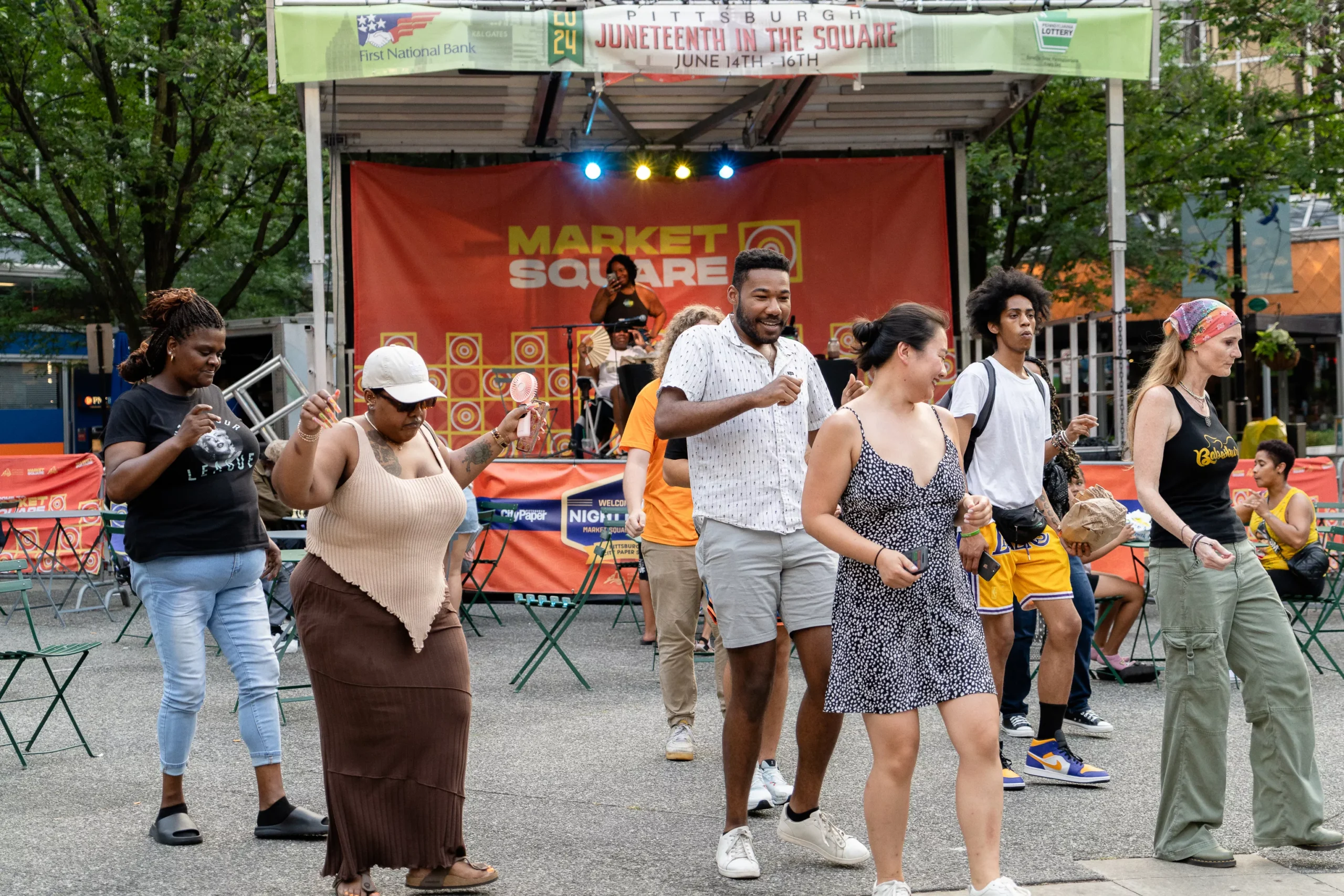
There’s nothing left but the ghosts of fictional Katie’s real Pittsburgh. Market Square replaced the Diamond Market in 1962. Though the buildings are long gone, the spirit of the saloons and lives lived on the edge continued well into the 20th century. In the 1970s, instead of the Jacobs saloon or Babinger’s Hotel, Market Square had Dante “Tex” Gill’s Maya massage parlor. Today, Market Square is poised for another makeover.
The backroom dealing and lack of transparency Kurth found in the events leading up to the Diamond Market redevelopment were familiar themes to the former urban planner. “I remember even telling Ann at one point when I was doing research on the demolition of the market house, how they had already decided they were going to tear it down and then they have public hearings,” Kurth says. Belser, she says, replied, “They still do that!”
Asked why people should read The Market Women, Kurth replies, “You can go to any bookstore and find thousands of stories addressing World War II, but you’re not going to find too many on 1913, 1914 Pittsburgh down in the market house.”

This article appears in Feb 26 – Mar 4, 2025.