
Deprecated: mb_convert_encoding(): Handling HTML entities via mbstring is deprecated; use htmlspecialchars, htmlentities, or mb_encode_numericentity/mb_decode_numericentity instead in /var/www/html/wp-content/plugins/super-cool-ad-inserter/inc/scaip-shortcode-inserter.php on line 37
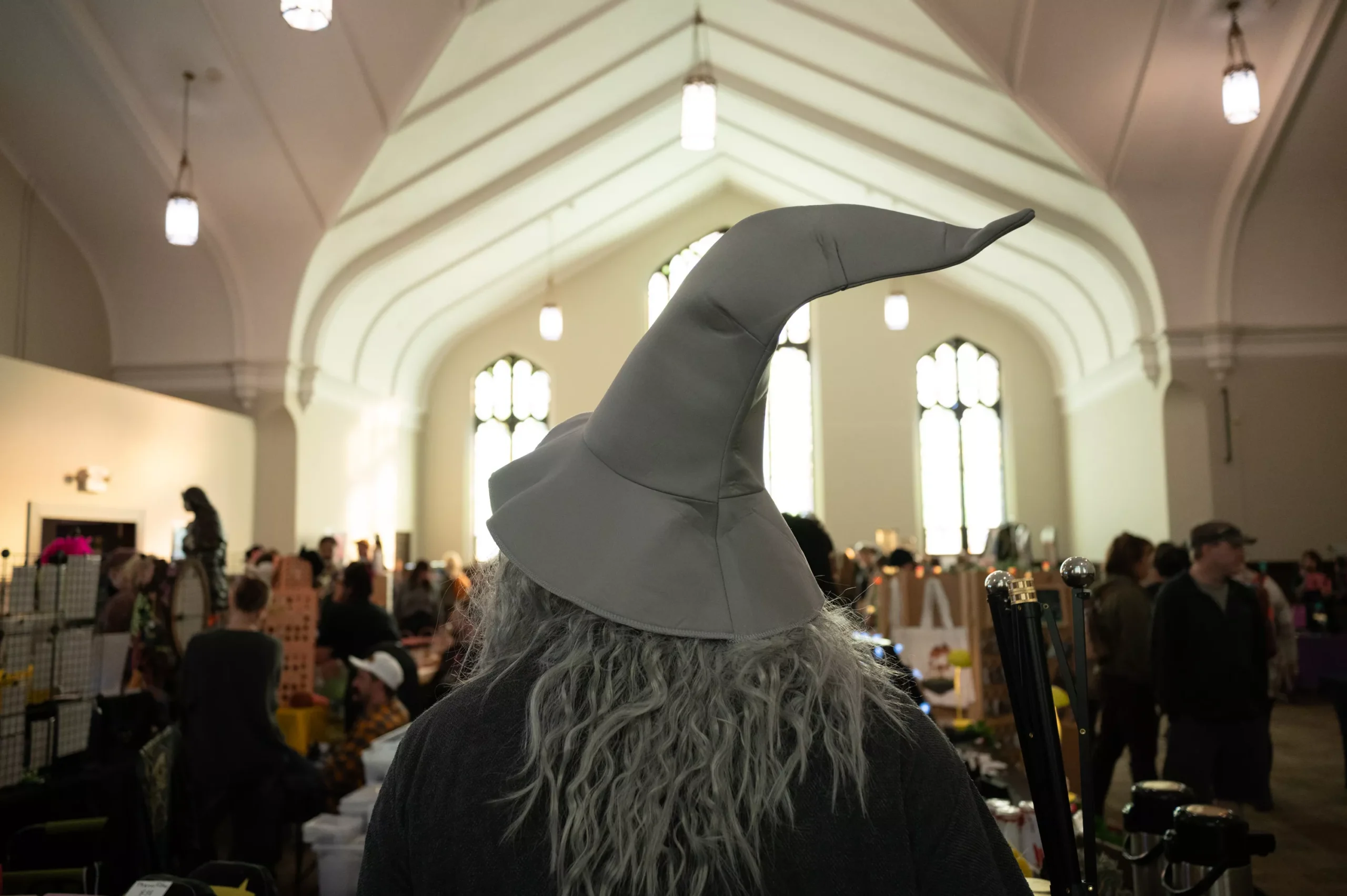
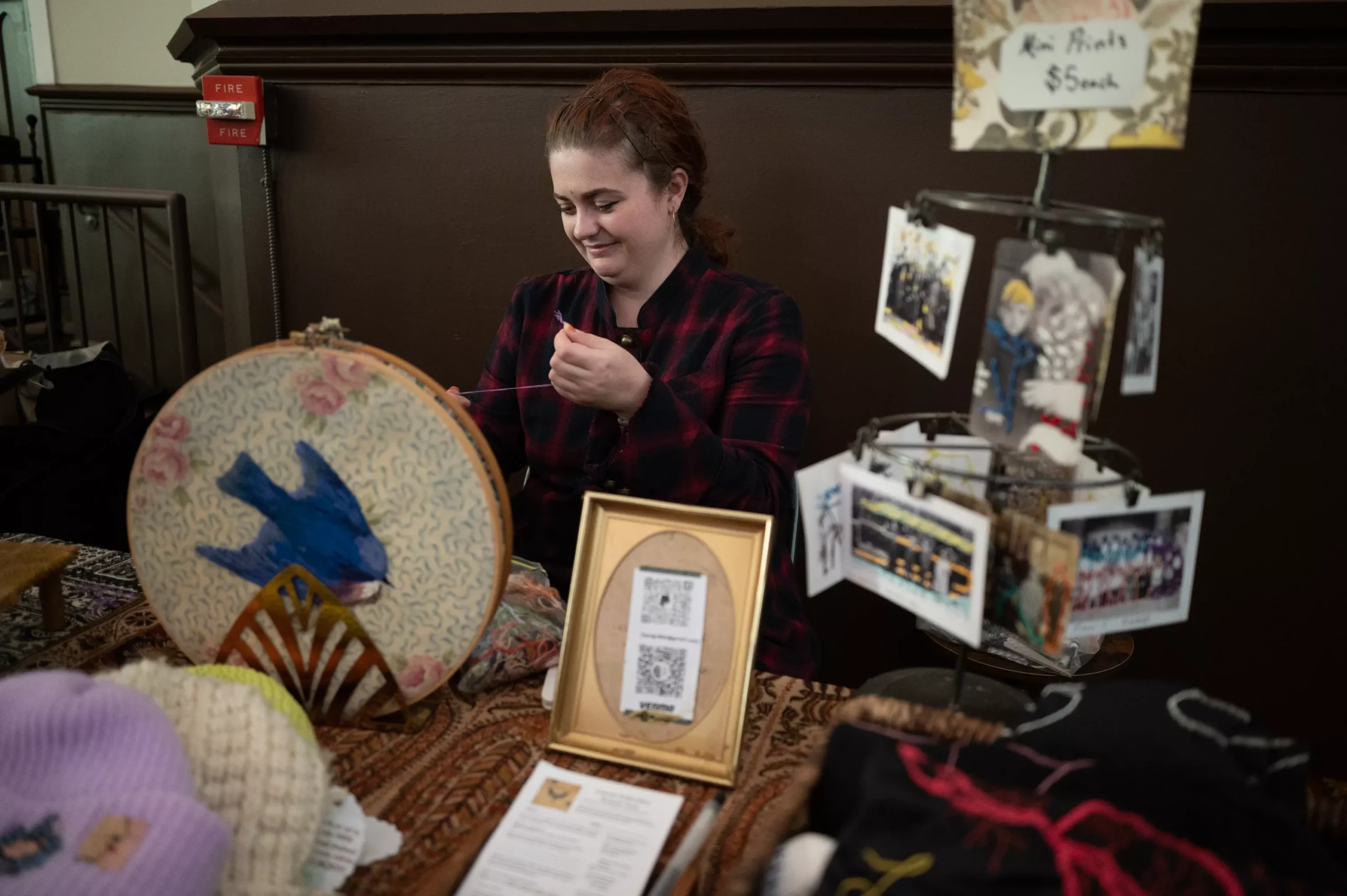
As a physical therapist, Lia de Lyon has to build trust with patients quickly so they feel comfortable working with her. The personal skills she gained from her full-time job translate well into her side hustle, selling her artwork at markets and craft fairs across Pittsburgh, and the country.
It is through talking to potential customers, de Lyon says, that she has been able to turn her artistic hobby into not only a small business, but a part-time job that has taken her to music festivals around the U.S.
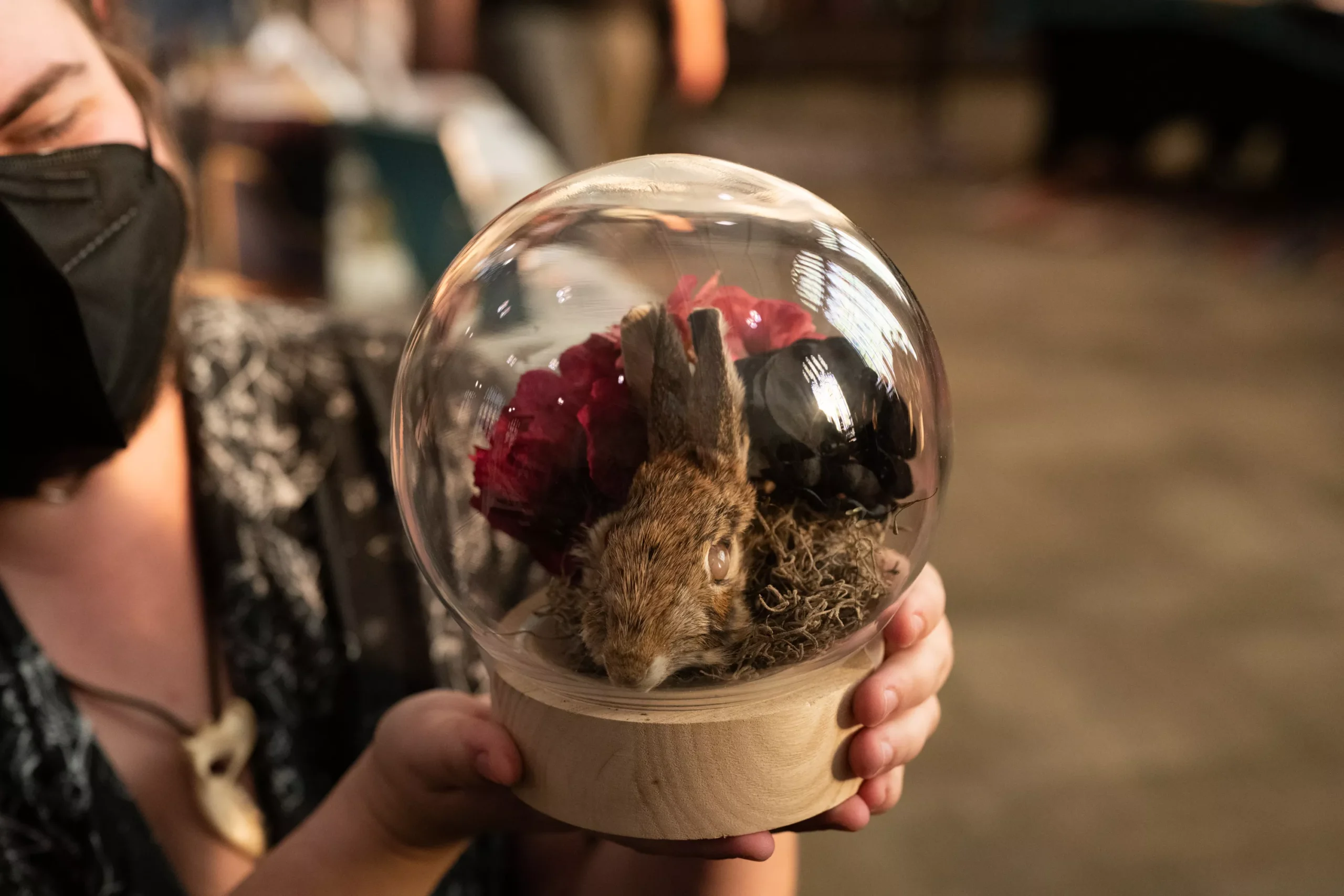
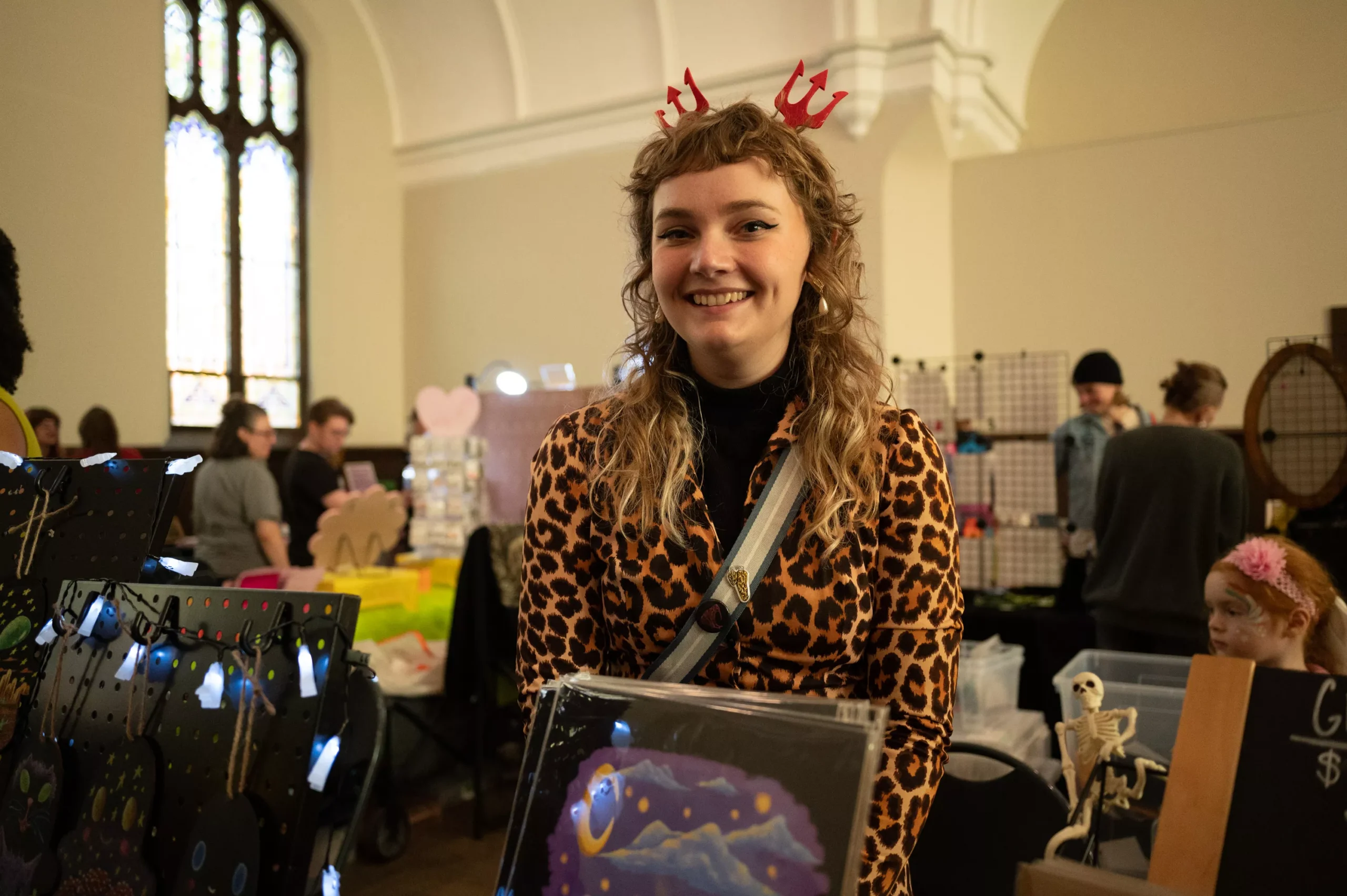
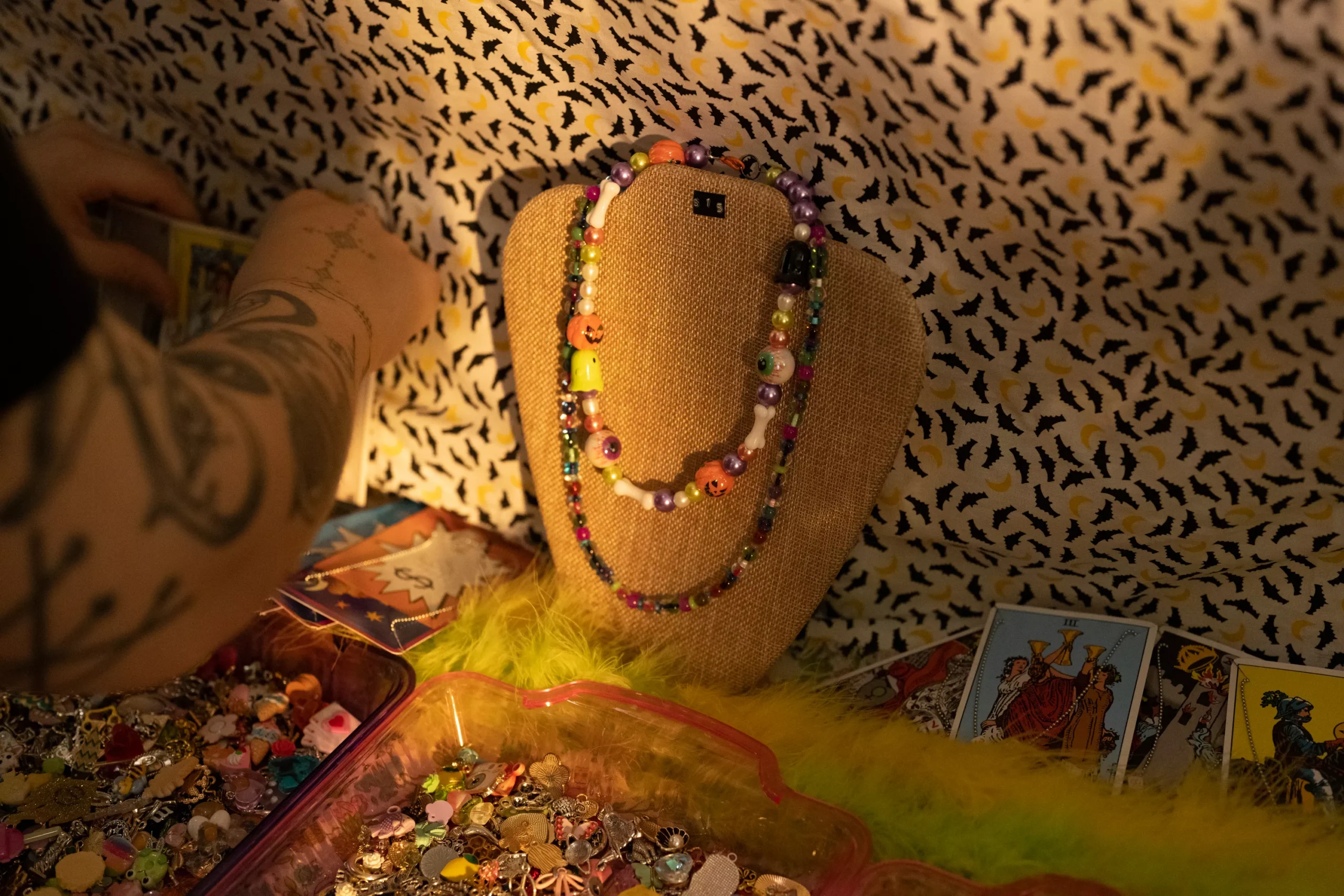
“I have five seconds to build trust and strike up a conversation and establish common ground and trust,” de Lyon says of her jobs. “My second year selling, I started doing music festivals … Hozier bought some of my art; Sublime has my stickers.”
The booths and tents that line markets and craft fairs throughout almost every month of the year are made up of many part-time crafters like de Lyon, who make and sell art in their time off from full-time jobs.
Some of their stories are the same — the creator shows a creation to a friend who offers to buy it, setting off a chain of events that eventually leads them to selling at two to three craft fairs a month. For many of them, the side hustle is an extension of their day jobs, like Abby Krick, who works as communications manager at Phipps Conservatory and Botanical Gardens by day, but sells colored pencil-sketched designs by night.
“The feeling of creating a new piece and selling that and having that go into someone’s home it’s truly fulfilling,” Krick says.
Krick is an illustrator who sells her designs as prints, but also in sticker and keychain form. She started selling stickers in 2020, when she was working from home during the COVID-19 pandemic, and began taking her designs on the road once craft fairs started back up.
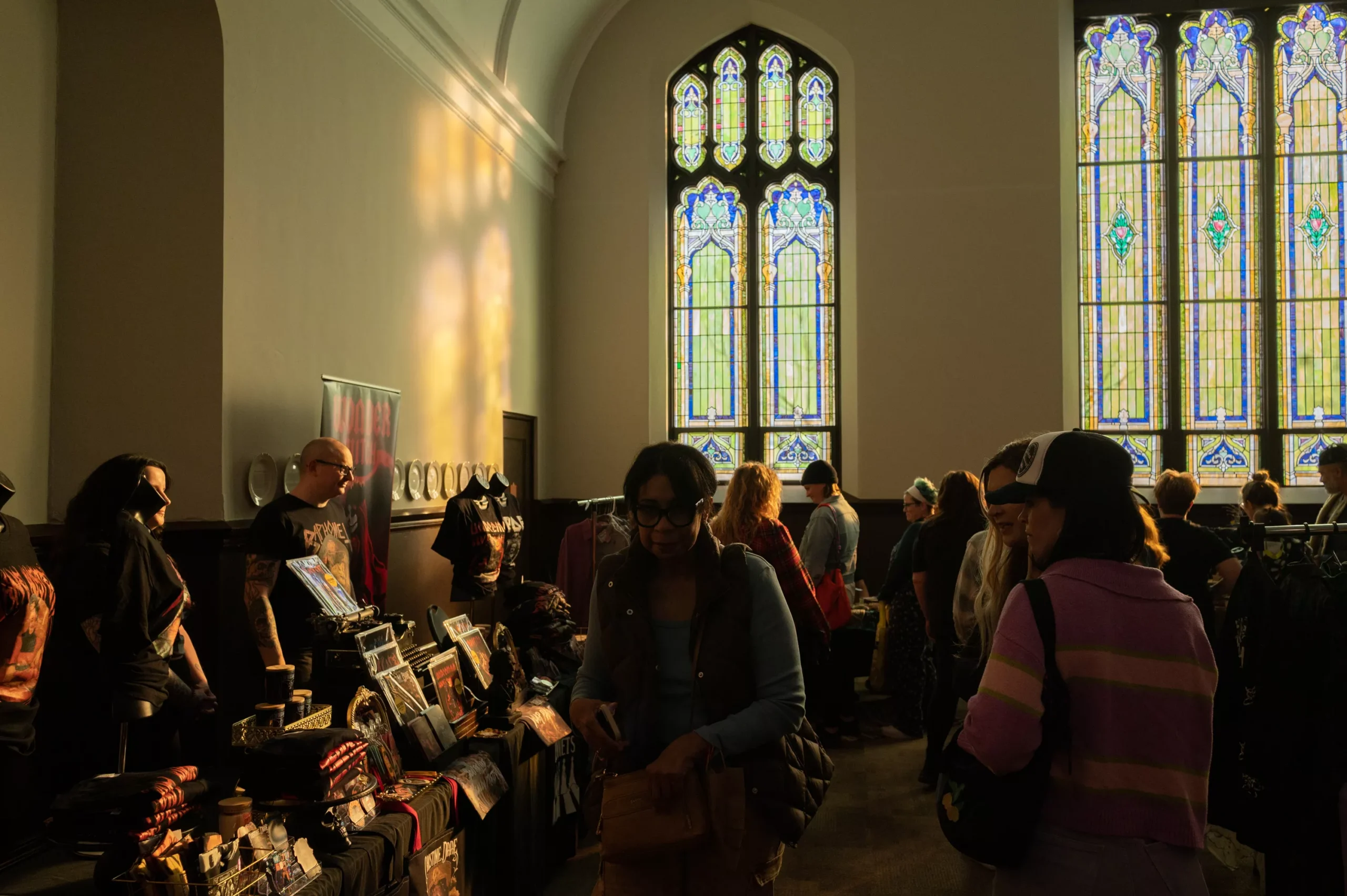
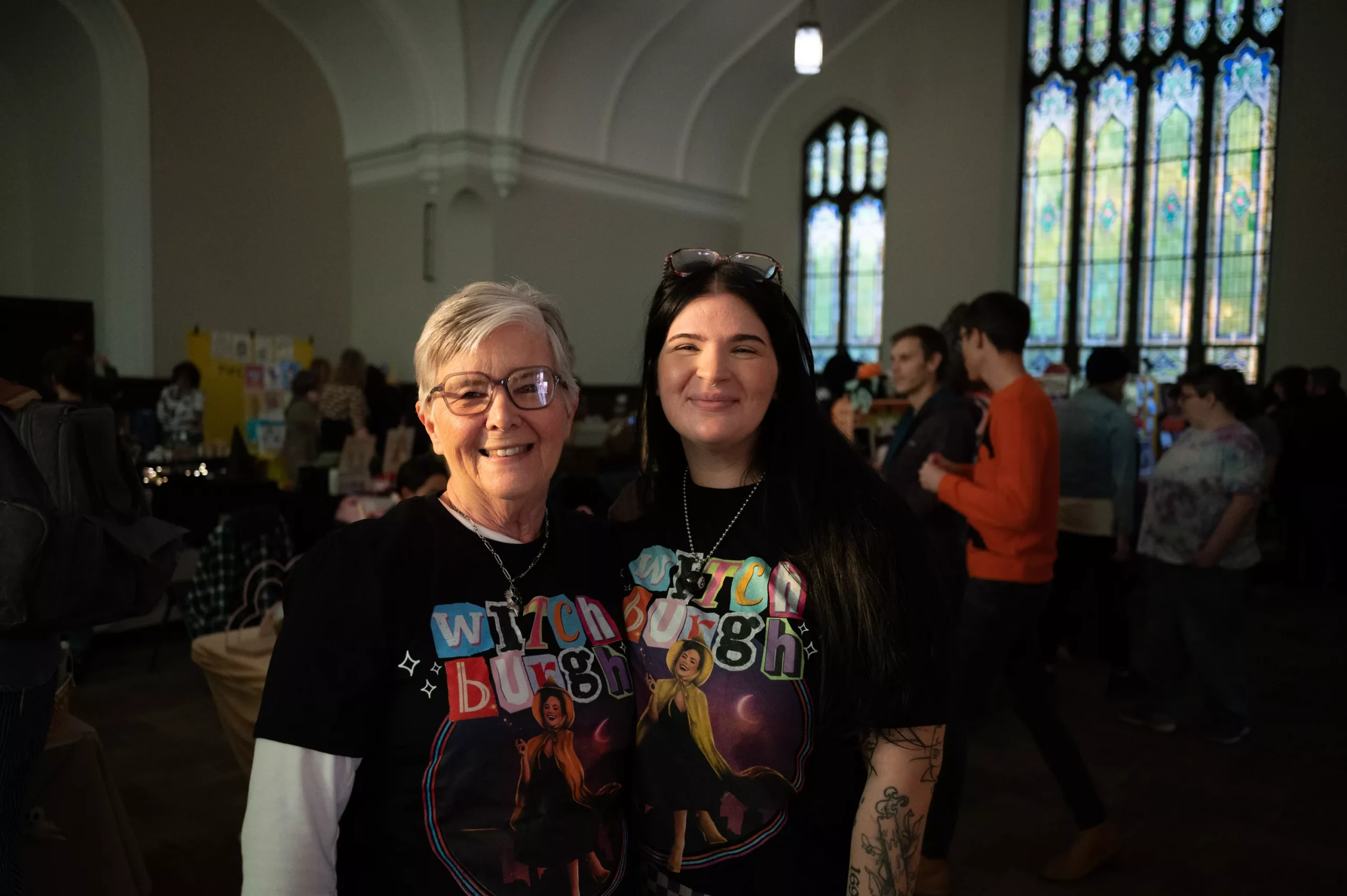
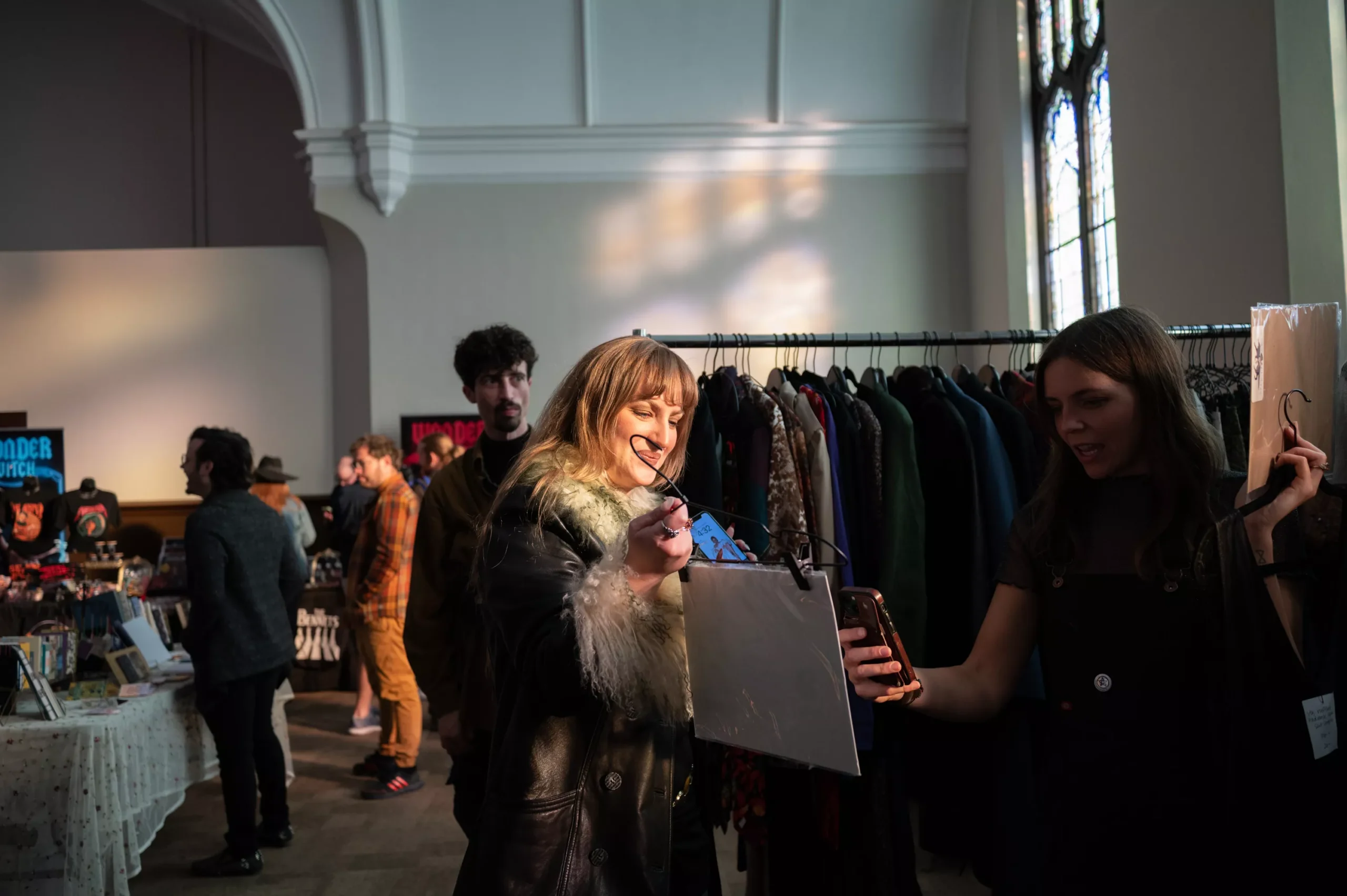
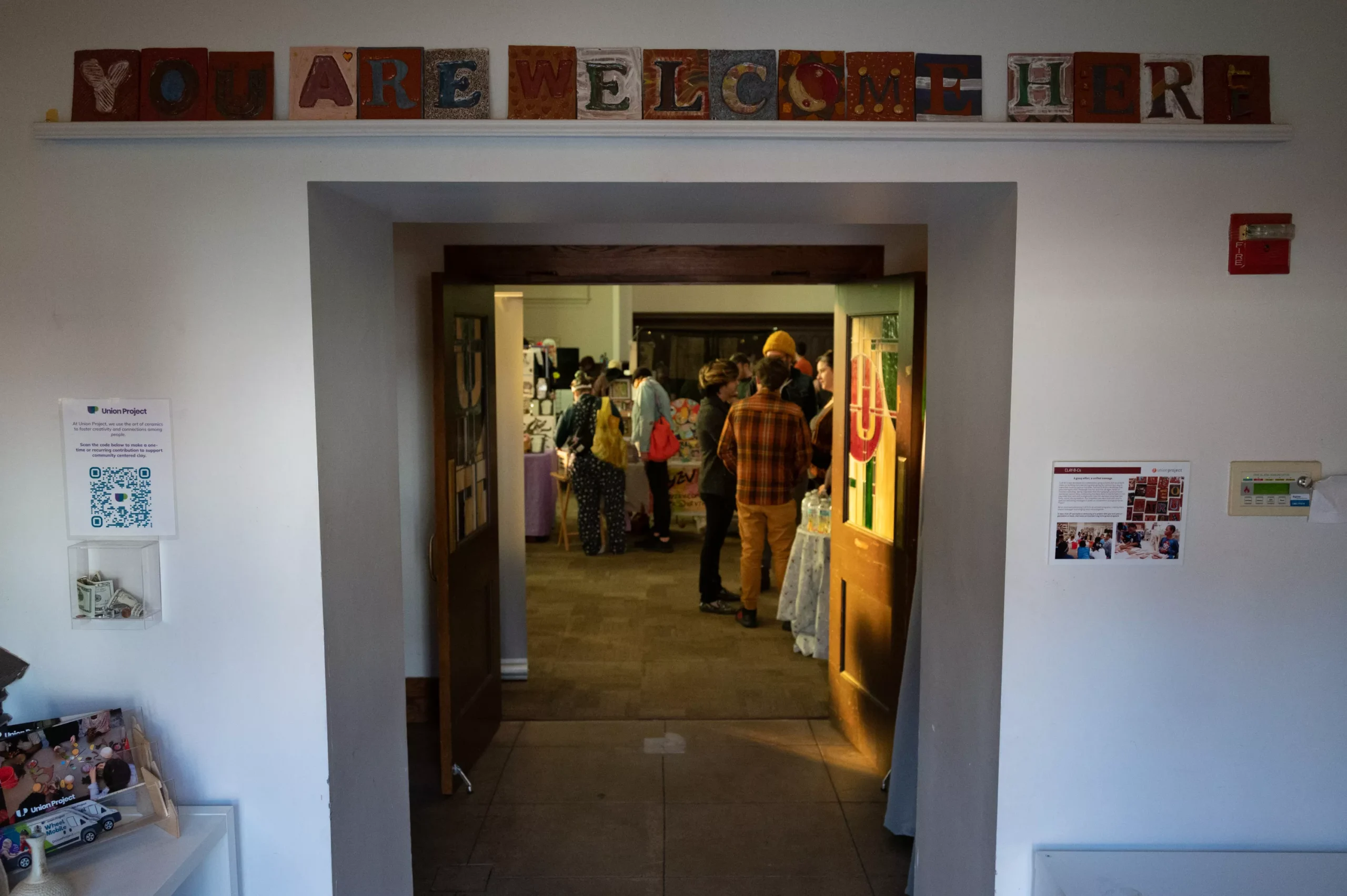
After years of this working “9 to 5, then 5 to 9” routine, Krick has been able to consistently sell at craft fairs a few times a month. Her most recent selling stint was at Witchburgh on Oct. 26 at the Union Project.
The biggest cost of being a part-time artist — aside from the vendor fees markets charge sellers — is the time it takes for her to sketch, set up her booths, and network with artists to make sure she can sell consistently.
“When you’re working that much, you forget to create,” Krick says. “You don’t want your side hustle to become a crappy part-time job. It’s extremely difficult, but it’s great, and it gives me a lot of fulfillment.”
Krick isn’t alone when it comes to finding gigs; if you see her at a craft fair or event, there’s a decent chance she’s friends with the people displaying items in booths near her.
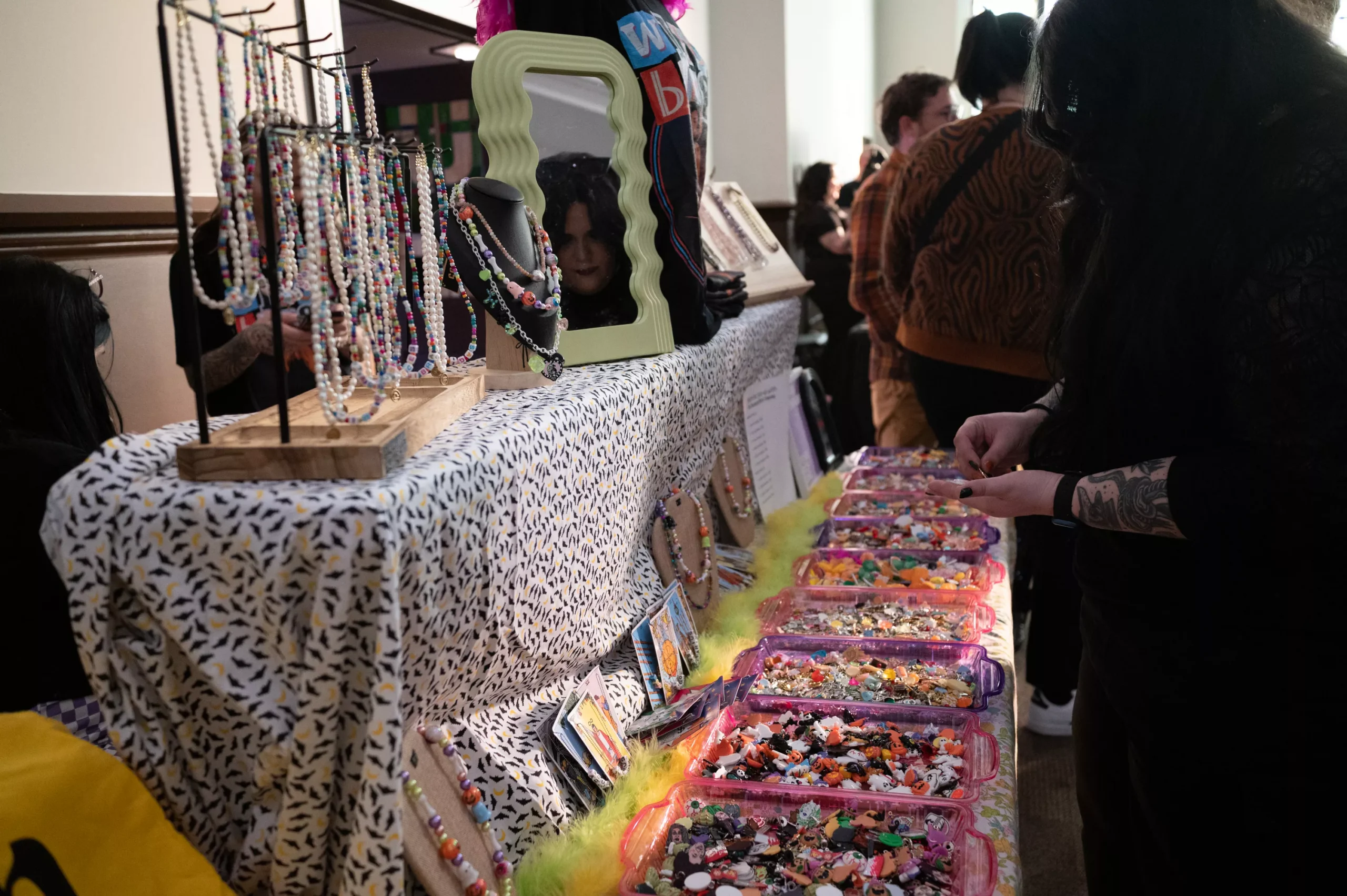
Dante Campudoni is an expressionist artist who sells art at galleries and events. He has amassed about 82 artists in a group chat who all share ideas with one another, as well as upcoming opportunities where they could sell.
The Pittsburgh artistic community is pretty tight-knit, with sellers frequently seeing one another at the same events around town, Campudoni says. He also says he finds himself becoming a fan of other artists and vice versa, in no small part to his colorful impressionist paintings being conversation-starters.
“A lot of my paintings have a deeper philosophical or theological undertones to them, but I want them to be easy to take in,” Campudoni says. “What I try to do is make things that are very difficult to comprehend and easy to understand.”
“I want my work to be a conversation first, and building up that emotional attachment to that piece, and also for someone to connect with me,” Campudoni continues. “It’s very easy for an artist to do that because you’re showing people the fragility; you’re revealing yourself to others.”
Attending events and craft fairs is many Pittsburgh artists’ bread and butter, even though Krick, De Lyon, and Campudoni also have websites where people can browse and buy merchandise. De Lyon says a majority of her sales are made in person, where she may generate a few thousand dollars in a day.
The availability of online tools helps each artist keep track of their side hustle’s expenses, with QuickBooks being a useful tool for de Lyon. Campudoni is moving into that camp as well.
“I keep all my business expenses separate from my personal; I just started doing that this year,” Campudoni says. “I expect it to be a lot easier to do my taxes this year.”
De Lyon emphasizes the “hustle” part of side hustle — she says the time she puts into making prints and stickers rivals the time she puts in at her physical therapy career. Krick also says she is taking a break from events through the end of the year, to build up stock and recuperate. De Lyon says she plans to do the same.
“Every single day when I get home from work, there are things for me to do, tasks to take care of, and it doesn’t ever end,” de Lyon says. “It does take a lot of time management and discipline.”
This article appears in Nov 20-26, 2024.