
Deprecated: mb_convert_encoding(): Handling HTML entities via mbstring is deprecated; use htmlspecialchars, htmlentities, or mb_encode_numericentity/mb_decode_numericentity instead in /var/www/html/wp-content/plugins/super-cool-ad-inserter/inc/scaip-shortcode-inserter.php on line 37
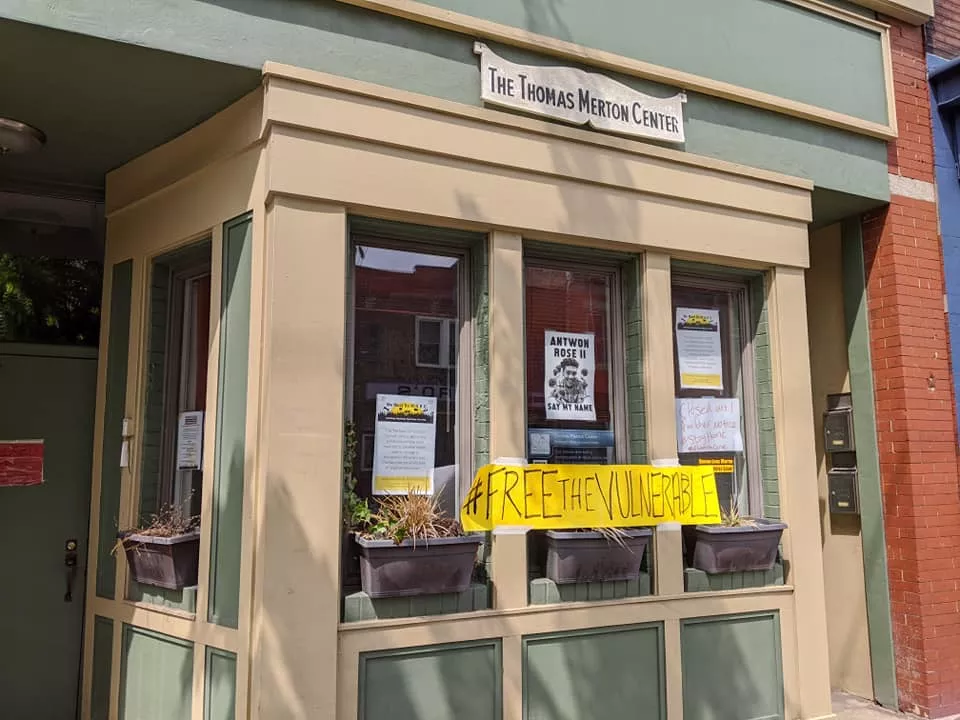
After more than 50 years as a hub for anti-war and social justice activism in Pittsburgh, the Thomas Merton Center closed in September, citing budgetary issues.
A grassroots-funded organization named after the American Trappist monk who wrote prolifically about spirituality and social justice, the Thomas Merton Center engaged Pittsburghers in protesting war, nuclear proliferation, and local manifestations of the military-industrial complex and working on projects for a more just and peaceful world.
That kind of work, while very important, can be hard to fund.
“Over the last five or six years, we’ve seen declining revenue from individual giving, and the center has traditionally not engaged in the kind of political advocacy work that the foundations in Pittsburgh or in the United States are interested in funding,” said Jonah McAllister-Erickson, former president of the TMC board. “We came to the hard decision that we just don’t have the capacity to fundraise ourselves out of the current situation to allow us to continue as a political organization.”
Organizers and activists associated with the center see this as a big loss for progressive organizing in Pittsburgh.
“It’s a big capacity-building loss. Especially in a city like Pittsburgh, it’s a small town, but we have so much going on, and there’s new people coming in all the time, [we need] somewhere that people can go and get connected,” Rachel Nunes, former executive director of the center, tells Pittsburgh City Paper.
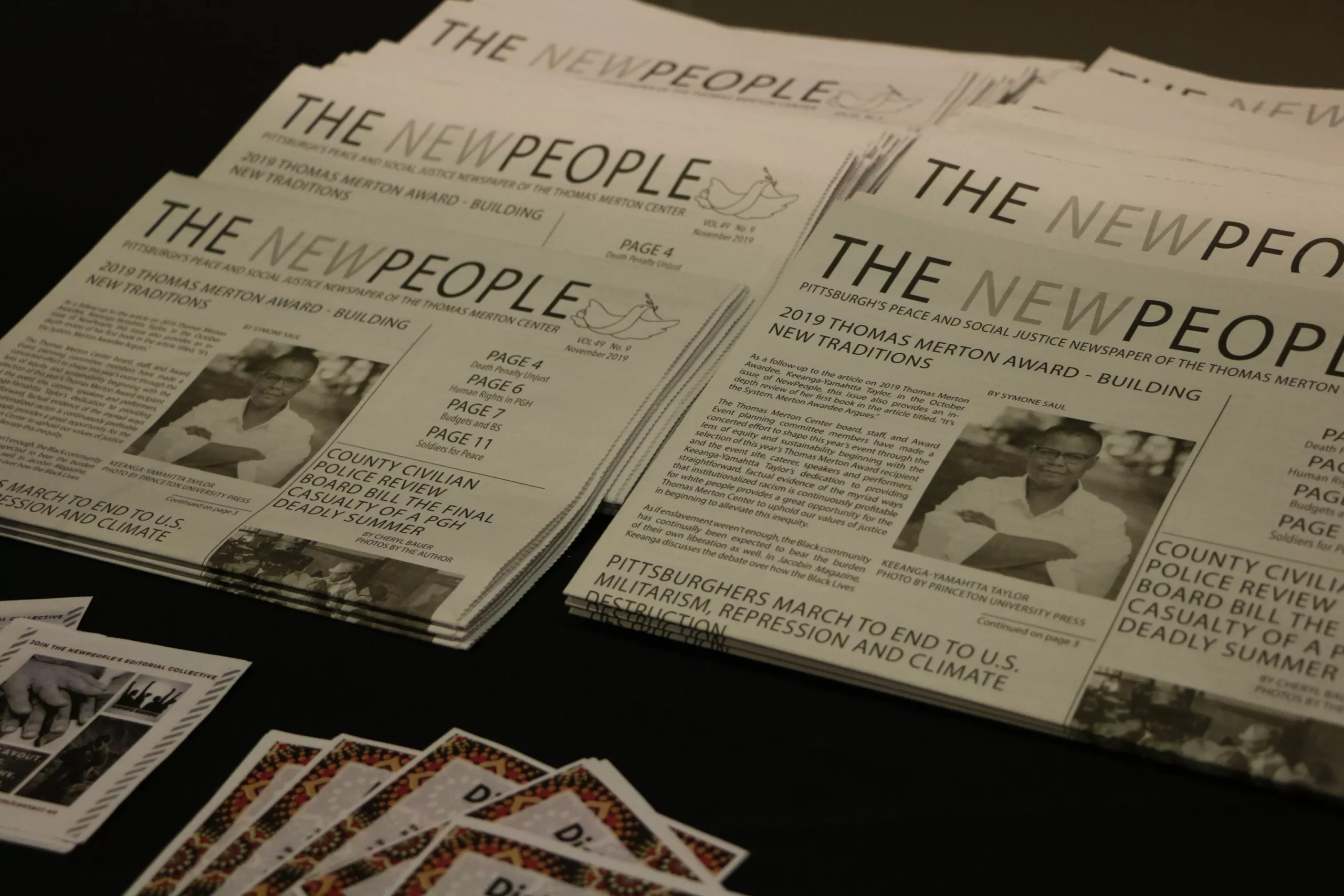
Founded in 1972 by two Pittsburghers, Catholic peace activist Molly Rush and Larry Kessler, who would go on to be an influential anti-HIV/AIDS activist in Massachusetts, the Thomas Merton Center sprang from the Vietnam War protest movement, and it has been a part of protesting every major American military action since then.
McAllister-Erickson recalled that the Merton Center offered a unique space for pro-peace activists to coordinate, which he witnessed during the Iraq War. Local members of the largest anti-war coalitions met as part of the TMC anti-war committee, where they coordinated to boost their effectiveness.
“In other places, United for Peace and Justice and the ANSWER Coalition really worked at cross purposes against one another,” McAllister-Erickson remembered.
Another important role that the Merton Center played in Pittsburgh’s social justice ecosystem was as a fiscal sponsor and incubator for young organizations—Pittsburghers for Public Transit, the Greater Pittsburgh Community Food Bank, the Pittsburgh Books to Prisons Project, and Jubilee Soup Kitchen all originated under the TMC umbrella.
“So many people have been touched by [the TMC], and so many people have been activated. And all those organizers and activists are still out doing great, great work in our community,” said Nunes.
Most recently, the Thomas Merton Center was active in providing material support to unhoused Pittsburghers and advocating for policy solutions to homelessness. TMC staff and volunteers served free meals Downtown on a regular basis since June 2023, worked with members of City Council on proposed legislation on temporary managed communities, and supported the Housing Justice Table’s Right to Counsel Plus campaign.
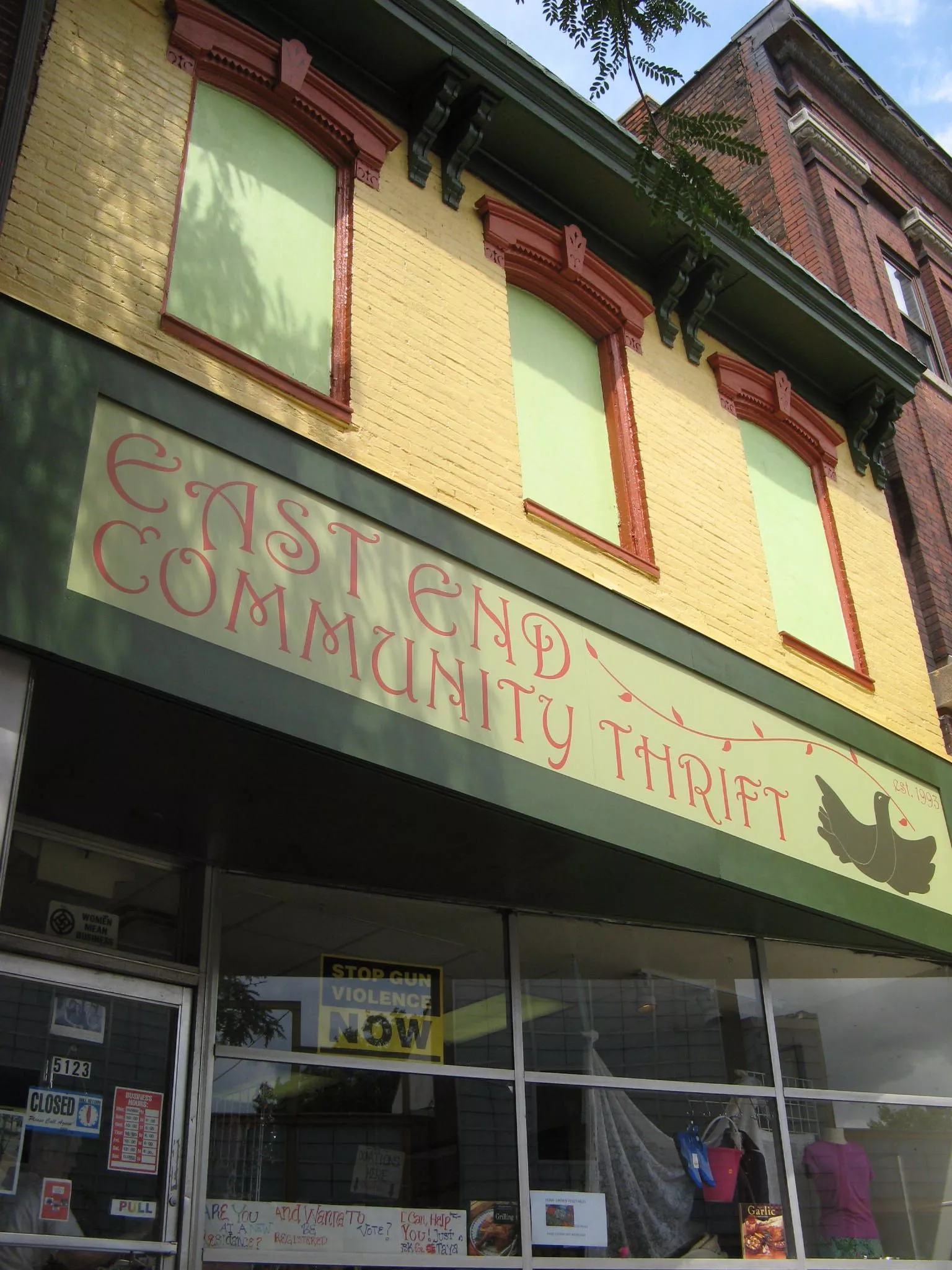
Nunes said they hope that the spirit of the TMC will live on in another long-term project of the Merton Center, the East End Community Thrift Store, affectionately called Thrifty.
“I really see Thrifty being the legacy of the Thomas Merton Center,” said Nunes. “In a neighborhood that is gentrifying cyclically, and there’s like high-end boutique shops popping up all around it, it’s really important to have that community space where folks can come get cheap stuff and restart their lives.”
According to McAllister-Erickson, Thrifty, which stocks second-hand clothing, housewares, and books, gives away tens of thousands of dollars of merchandise each year to local people in need out of their Penn Avenue storefront, largely through their connections with social service providers. It’s also one of the most inexpensive secondhand stores in the city.
The future of Thrifty might include a partnership with the City of Bridges Land Trust to relinquish ownership of the building and develop affordable housing units on top of the store, McAllister-Erickson said.
Nunes and McAllister-Erickson urge those supportive of the Thomas Merton Center’s mission to support Thrifty through donations of money and items the store can sell.
Most importantly, Nunes encourages Pittsburghers of all stripes to continue to invest time and energy in getting to know their neighbors and fellow city residents and working together toward justice and equality.
“I’m sure a lot of people are feeling hopeless. Everybody’s anxious, there’s a lot going on in the world, there’s a lot going on here. But I’ve found that the antidote to hopelessness is to commune and organize with our neighbors, and there are [still] a slew of opportunities to do that,” Nunes said.
This article appears in Oct 9-15, 2024.