
Deprecated: mb_convert_encoding(): Handling HTML entities via mbstring is deprecated; use htmlspecialchars, htmlentities, or mb_encode_numericentity/mb_decode_numericentity instead in /var/www/html/wp-content/plugins/super-cool-ad-inserter/inc/scaip-shortcode-inserter.php on line 37
If you live in Pittsburgh and eat food, these are probably the best of times.
Yes, this sounds like the setup for a joke – we used to eat molten slag with fries on top, or something — but the punchline got stuck in the Squirrel Hill tunnel. It isn’t, though. We have more options, more flavors, more ambition, more acclaim, and more excitement around food in Pittsburgh than at any time, perhaps ever.
But that’s not to say everything is perfect. We still have plenty of room for improvement.
We want to keep Pittsburgh food culture’s distinctiveness, of course. But, let’s admit it — there are things other cities are doing that are great, and we should take note.
Hey, sometimes wishes do come true. In just the past few years, we finally got good bagels, dim sum, pupusas, arepas, and a host of great breakfast spots — all things that we were missing for the longest time.
What else does Pittsburgh’s food culture need now? Here are some ideas:
1. A public market
Imagine something like the entire Strip District under one massive, historic domed roof. That’s basically the West Side Market in Cleveland. From farmers to ethnic grocers to bakers to kielbasa-makers, everybody has a booth or a farmstand there.
This isn’t like wishing Pittsburgh had beaches, or a competitive baseball team. This can be done — Pittsburgh used to have a public market and it was nice, if small and peripatetic. First, it was located on the far end of the giant Produce Terminal building, then in an odd cement bunker closer to the action on Penn Avenue, then it disappeared entirely. There were persistent rumors that one would return in the newly redeveloped Produce Terminal, but that hasn’t happened. Surely there are some big rooms left in town where this could go.
2. A Jewish deli
Squirrel Hill’s business district has transformed into Little Asia in the past few years, and honestly, this is fantastic. The more Thai, Taiwanese and Korean food, the better.
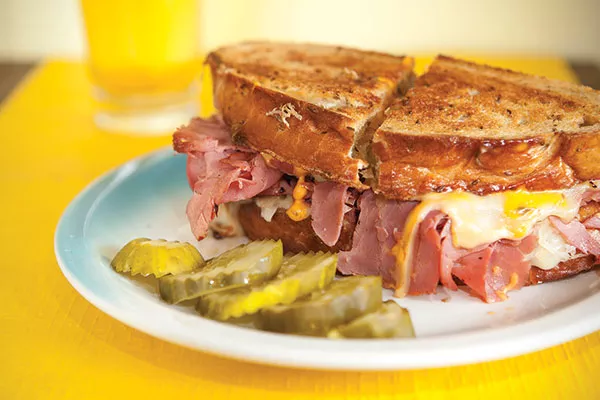
But one remnant of yesteryear should come back immediately. Pittsburgh’s Jewish neighborhood needs an old-school Jewish deli. Sometimes you just need pastrami on rye, knishes or “Jewish penicillin” (Chicken Noodle Soup). We still have the Smallman Street Deli in the Strip, but that’s really it. The Squirrel Hill location, as well as Kazansky’s, is long gone.
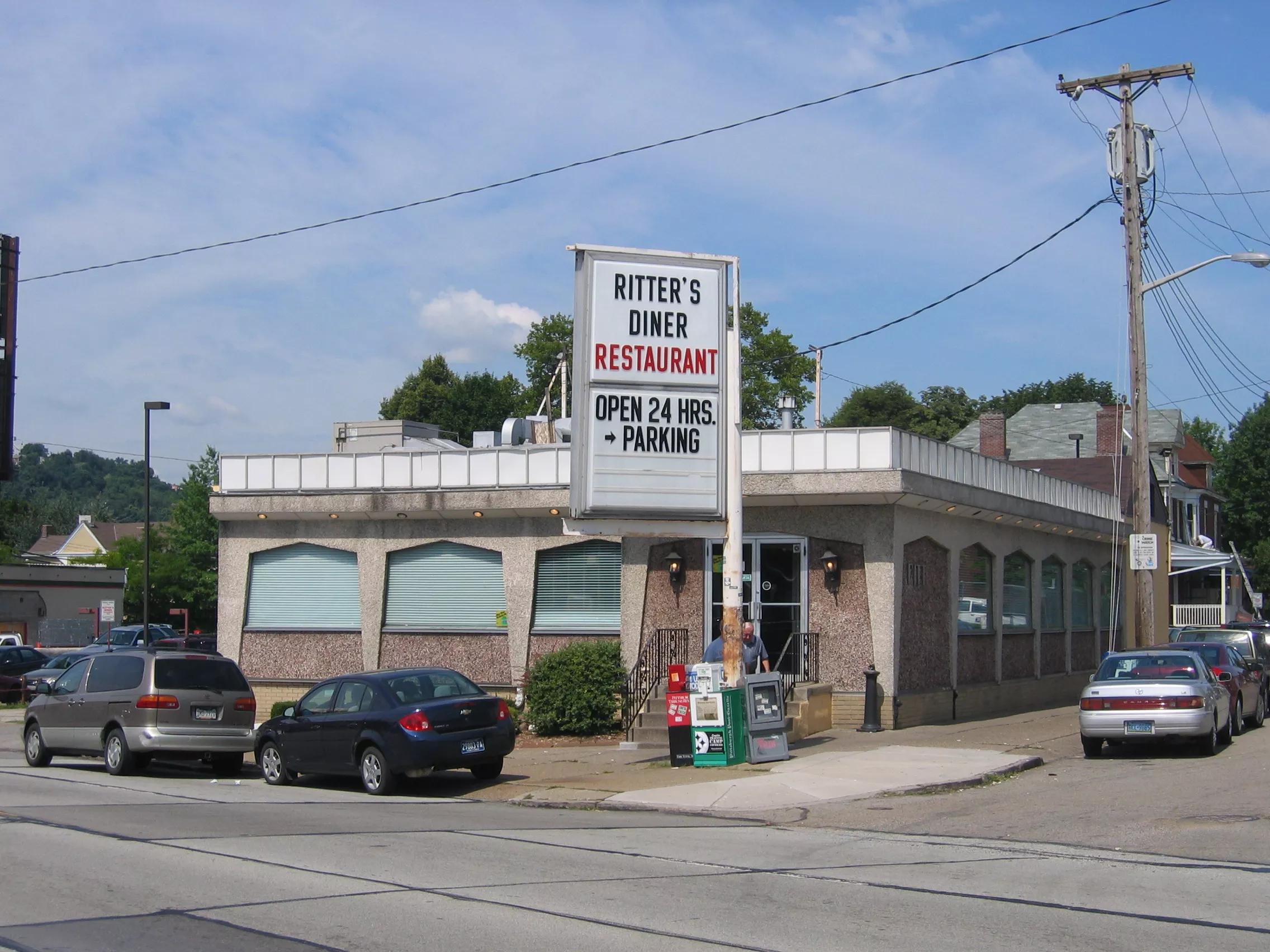
3. An all-night diner with good food
Once upon a time in Pittsburgh, there were places open late where you could go grab something to eat, chat, and goof off until the wee hours of the morning: Ritter’s Diner, the Dirty O, Mad Mex’s late-night happy hour with half price food, even Eat ‘N Park. The food wasn’t always great, but always seemed to taste better as the night went on. Well, the O is gone, Ritter’s closes at 8 p.m., and even the Squirrel Hill Eat’n Park is defunct.
This wasn’t intended to be a dip into the bottomless lake of nostalgia within every Pittsburgher. But it’s true that late-night food is long overdue for a comeback. In fact, anything to do late at night that doesn’t revolve around booze would be great. We could even accept the midnight mayhem of a Waffle House at this point.
However, we do have “diners” with good food now, like Upstreet Diner in Squirrel Hill, the Finer Diner in Allentown, and Sally Ann’s Downtown. Wouldn’t it be great to have some expanded hours? Sometimes you just want hash browns with hot sauce, waffles, or French toast for dinner (or later). While we’re at it, we once had coffee shops open late, like the Beehive, where you could hang out, gawk at the weirdos, become one of the weirdos, etc. Bring this back (with better coffee)!
4. A dedicated Cuban restaurant
Pittsburgh is about as far from the sun-blasted languor of the Caribbean as Antarctica, in the philosophical sense, no matter what climate change does to us. That’s OK. Let Miami be Miami — fun to visit, get sunburn, and leave — and let Pittsburgh be Pittsburgh. However, we will take all the Cuban food you have on the way out the door.
Remember that odd little place in Oakland that served Chinese and Cuban food? Kaya does a good Cuban sandwich, and some other things, and Con Alma occasionally serves a few Cuban dishes with style and verve. Dog Daze Cafe, which is a crazy combination of an animal hospital, dog daycare, and Cuban spot serving Cafe Con Leche and empanadas, closed during the pandemic, but plans to open in the next few months. In any case, a stand-alone place selling this distinctive tropical cuisine would be even better. A hot plate of Arroz y Frijoles Negros might not keep the gloom-clouds away, but we can always pretend.
5. More and better grocery stores
In cities all around us, there’s competition for groceries. But here in Pittsburgh, a certain big bird will not be chased off its perch at the top. So, produce is expensive and options are limited.
Yes, Aldi, Trader Joe’s, and Whole Foods have their charms, but other cities have more apples-to-apples (no pun intended) competitors, and are better off for it. In Chicago, it seems like every Jewel-Osco has a Dominick’s right next to it. Erie has the best grocery chain in America, Rochester-based Wegmans, and we don’t. In the immortal words of Matthew McConaughey in Dazed and Confused, it would be a lot cooler if we did.
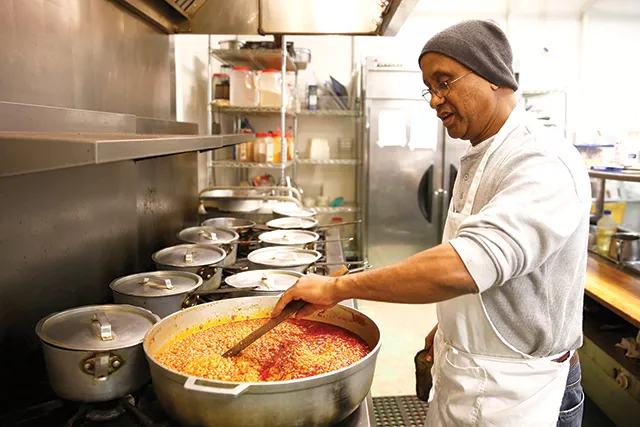
6. More African food
Yes, this is sort of like saying you want to eat “European food” — Africa is a very large continent with way more culinary diversity than can be summarized here. Setting that aside, it does seem like we are missing out on a lot.
Here are some data points that seem to warrant further exploration (at least for me). One of the best new restaurants of 2021 was African Cuisine (Nigerian) in Squirrel Hill, which literally brought new things to the table in Pittsburgh. Then there’s this year’s promising new vegan/vegetarian spot, Essence Café on the South Side; it’s eclectic almost to a fault, but shines when showcasing Chef Ojok’s distinctive spices, sauces and takes on African essentials like Jollof Rice. We’ve also had a few Moroccan restaurants (Kous Kous Café, Road to Karrakash), which were utterly enchanting and contained worlds unto themselves. Plus, we’ve still got Tana, our one Ethiopian place!
So, does anyone want to start a Cameroonian or Burundian restaurant? Something as good as Detroit’s amazing Baobab Fare (which is actually Burundian) could likely thrive here, too. While we’re making wishes, we might as well ask for another Ethiopian restaurant, too.
7. A Ukrainian restaurant, but really, an Eastern European food boom
Greenfield has long been a haven for post-Soviet immigrants — it’s possible that they kept the neighborhood from collapsing like so many parts of Pittsburgh when the steel industry crashed. Now, Greenfield has two small Ukrainian delis/grocers, where you can pick up fresh varenyky (pierogies, basically) for dinner and choose from hundreds of chocolates.
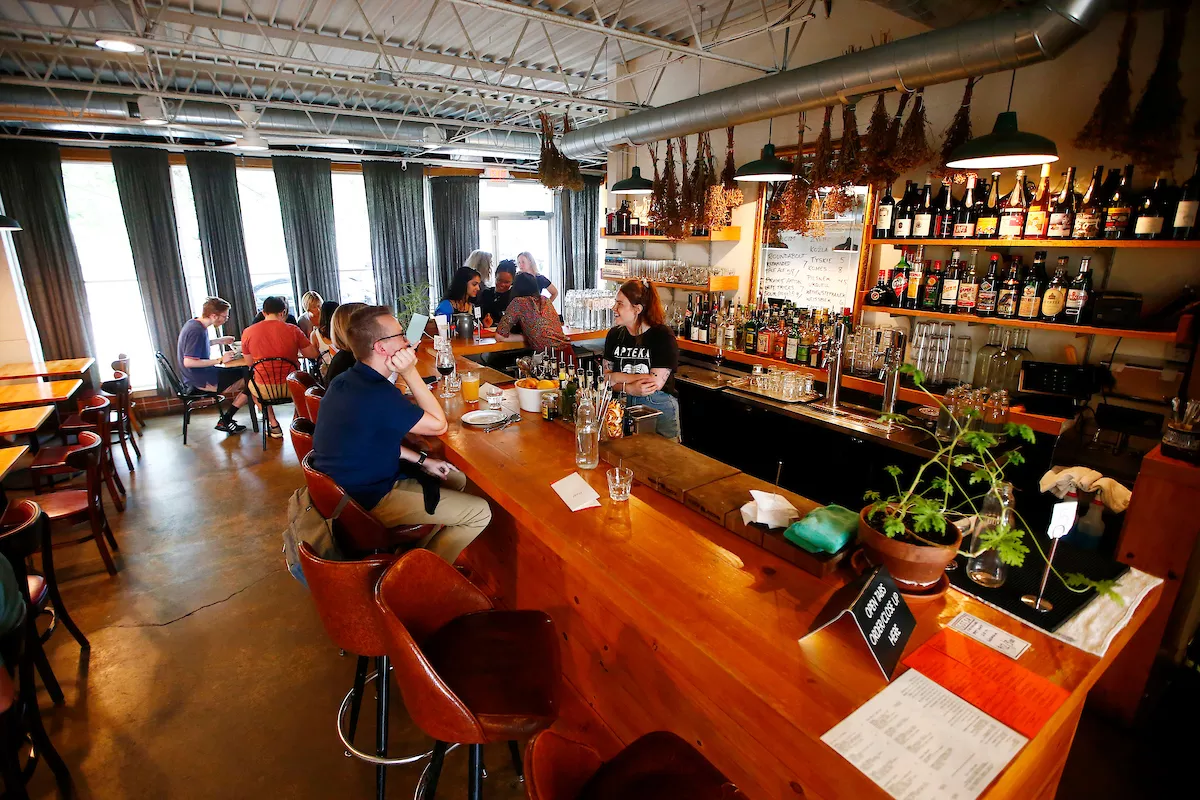
If Apteka can make vegan Polish food a thing — and become one of Pittsburgh’s best restaurants — then surely a new wave of chefs can do interesting and creative things with Ukrainian produce and traditions.
What if Pittsburgh became the place where Eastern European food saw its renaissance? What if Apteka wasn’t an anomaly — what if it was just the beginning? This could be where Ukrainian, Hungarian, Croatian food, etc., take the next evolutionary step.
8. A year-round farmer’s market in the Strip
The Strip is Pittsburgh’s fastest changing neighborhood, and no, not everybody is going to love that. For the most part, the biggest changes have occurred atop parking lots and empty warehouses, so all those new condos and robotics companies haven’t displaced as much Strip “character” as we perhaps once feared.
But what if there was a way to make the old-school Strip traditionalists and the latecomers happy? What if it was also an homage to one of the Strip’s historic roles, produce distribution hub?
Yes, the one thing the Strip is missing is a farmer’s market, specializing in produce from local farms. Sure, it would also pair well with a public market. There are plenty of greengrocers left in the Strip, but it’s not really clear where they’re getting their food (only that it’s a bargain). Many Pittsburgh neighborhoods have a farmer’s market or two during the warmer months. So why not one here year-round?
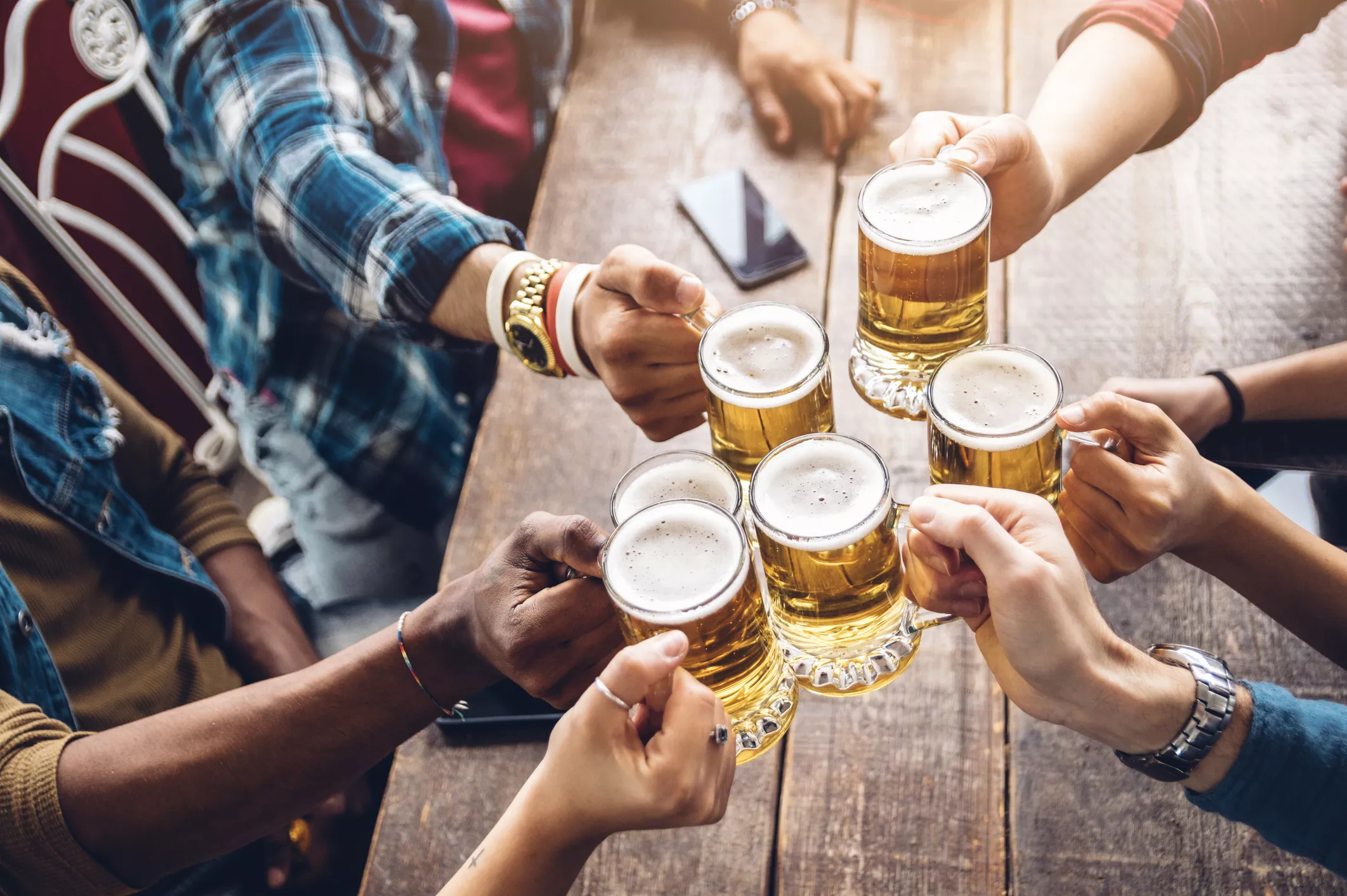
9. A beer museum
Every city wants one of those gigantic, can’t-miss attractions. There’s a trick to getting one — you just have to go ahead and do it. First one to claim it gets the prize. (Cleveland got the Rock & Roll Hall of Fame? Seriously?) We have lots of beer; we have lots of beer-related history. We’ve given the world I.C. Light Mango and that Iron City/Turner’s Iced Tea collaboration! Nothing is beyond our reach (except beaches).
This article appears in Jul 5-11, 2023.